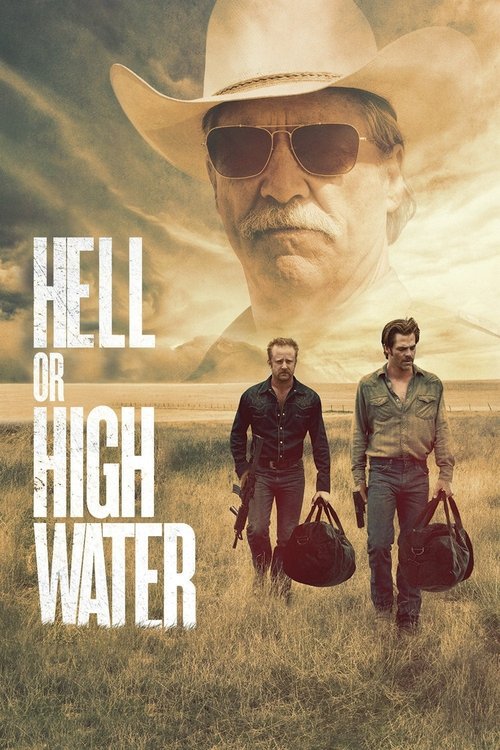
Hell or High Water
2016 · Directed by David Mackenzie
Woke Score
CriticCritic Score
Audience
Based
Critics rated this 60 points above its woke score. Among Based films, this critic score ranks #31 of 345.
Representation Casting
Score: 15/100
Supporting cast includes minority actors, particularly Gil Birmingham as a tribal police officer, but there is no thematic emphasis on representation or systemic casting as a narrative concern.
LGBTQ+ Themes
Score: 0/100
No LGBTQ+ themes, characters, or subtext are present in the film.
Feminist Agenda
Score: 8/100
Female characters exist in supporting roles (Marin Ireland, Katy Mixon, Dale Dickey) but without feminist thematic development or gender-focused narrative arcs.
Racial Consciousness
Score: 12/100
Native American characters appear but are not centered in the narrative's exploration of systemic injustice; racial consciousness is not a primary thematic concern.
Climate Crusade
Score: 0/100
No climate-related themes or environmental consciousness are present in the film.
Eat the Rich
Score: 62/100
The film's central conflict involves predatory banking practices and systemic displacement of rural families by financial institutions, making anti-capitalist critique its strongest thematic element.
Body Positivity
Score: 0/100
No body positivity messaging or thematic engagement with body image is evident in the film.
Neurodivergence
Score: 0/100
No representation of neurodivergent characters or themes related to neurodiversity is present.
Revisionist History
Score: 0/100
The film does not engage in revisionist historical narratives or recontextualization of historical events.
Lecture Energy
Score: 5/100
The film trusts viewers to extract social commentary from plot and setting rather than through expository dialogue, resulting in minimal lecture-energy engagement.


Synopsis
A divorced dad and his ex-con brother resort to a desperate scheme in order to save their family's farm in West Texas.
Consciousness Assessment
Hell or High Water presents itself as a work of economic critique, albeit one that operates through the conventions of the Western rather than through explicit progressive signaling. The film's central thesis concerns predatory lending practices and the systematic displacement of rural families by financial institutions, which places it firmly within anti-capitalist discourse. The brothers commit crimes not out of moral failing but out of structural necessity, a framing that invites us to question the legitimacy of the system that leaves them no alternative.
Yet the film remains largely indifferent to the contemporary markers of progressive cultural awareness. The supporting cast includes Native American characters, most notably a tribal police officer played by Gil Birmingham, but these characters exist within the narrative without thematic emphasis on indigenous representation or systemic racial injustice. The film does not employ the expository dialogue and moral clarification that characterizes higher-wokeness cinema. Instead, it trusts viewers to extract social commentary from plot and setting, which paradoxically makes it less legible through the framework we are asked to apply.
What emerges is a film of genuine political substance that happens to predate or sidestep the specific cultural vocabulary of 2020s progressive sensibility. Its class consciousness does not translate directly into contemporary woke markers. The film scores moderately on anti-capitalist themes but registers minimal engagement with representation casting, gender politics, identity-focused messaging, or the other vectors through which modern progressive cinema typically announces itself. It is a serious work about economic injustice that remains somewhat tonally distant from the preachy earnestness of contemporary social justice cinema.
Analysis generated by our Consciousness Algorithm
Critic Reviews
“Hell or High Water is a thrillingly good movie — a crackerjack drama of crime, fear, and brotherly love set in a sun-roasted, deceptively sleepy West Texas that feels completely exotic for being so authentic.”
“Foster was born to this kind of role, rugged but soulful, and he’s outstanding. The surprise is Pine, giving by far his best performance.”
“With electrifying, graceful direction by David Mackenzie...a rich, darkly humorous and deeply insightful screenplay by Taylor Sheridan...and no fewer than four performances as good as anything I’ve seen onscreen this year, Hell or High Water is an instant classic modern-day Western, traveling down familiar roads but always, always with a fresh and original spin.”
“A film with a fistful of memorable moments—most of them involving Bridges hurling insults at people—but not a great deal new to say.”
Consciousness Markers
Supporting cast includes minority actors, particularly Gil Birmingham as a tribal police officer, but there is no thematic emphasis on representation or systemic casting as a narrative concern.
No LGBTQ+ themes, characters, or subtext are present in the film.
Female characters exist in supporting roles (Marin Ireland, Katy Mixon, Dale Dickey) but without feminist thematic development or gender-focused narrative arcs.
Native American characters appear but are not centered in the narrative's exploration of systemic injustice; racial consciousness is not a primary thematic concern.
No climate-related themes or environmental consciousness are present in the film.
The film's central conflict involves predatory banking practices and systemic displacement of rural families by financial institutions, making anti-capitalist critique its strongest thematic element.
No body positivity messaging or thematic engagement with body image is evident in the film.
No representation of neurodivergent characters or themes related to neurodiversity is present.
The film does not engage in revisionist historical narratives or recontextualization of historical events.
The film trusts viewers to extract social commentary from plot and setting rather than through expository dialogue, resulting in minimal lecture-energy engagement.