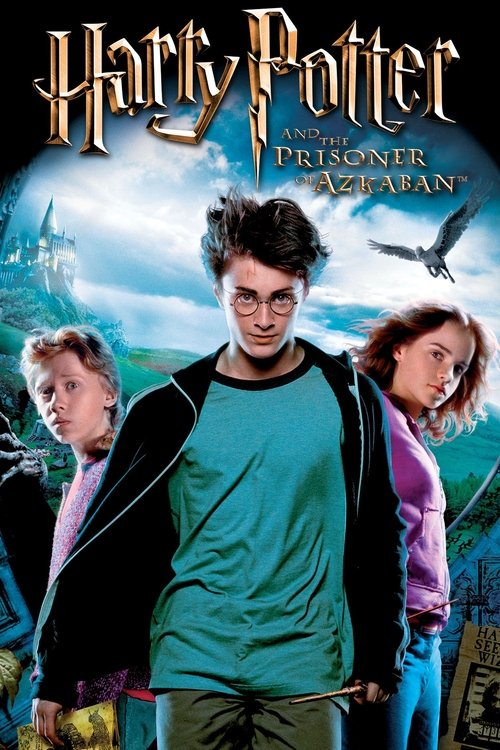
Harry Potter and the Prisoner of Azkaban
2004 · Directed by Alfonso Cuarón
Woke Score
CriticCritic Score
Audience
Ultra Based
Critics rated this 67 points above its woke score. Among Ultra Based films, this critic score ranks #319 of 1469.
Representation Casting
Score: 35/100
The ensemble cast includes performers of color and a capable female lead, but this reflects standard 2000s casting practices rather than deliberate contemporary representation politics.
LGBTQ+ Themes
Score: 0/100
No LGBTQ+ themes, representation, or subtext are present in the film. The source material predates modern LGBTQ+ discourse.
Feminist Agenda
Score: 25/100
Hermione functions as a competent character without the film calling attention to her gender, suggesting a baseline competence rather than a feminist agenda.
Racial Consciousness
Score: 15/100
The film contains no explicit racial consciousness or commentary. Its diversity exists without self-awareness or pedagogical framing.
Climate Crusade
Score: 0/100
No climate themes or environmental consciousness appear in this fantasy adventure film.
Eat the Rich
Score: 10/100
While Azkaban critiques institutional injustice, this emerges from the fantasy narrative rather than from any anti-capitalist ideological framework.
Body Positivity
Score: 0/100
The film contains no body positivity messaging or subversive commentary on physical appearance.
Neurodivergence
Score: 0/100
No neurodivergent representation or disability consciousness appears in the film.
Revisionist History
Score: 0/100
The film is a fantasy narrative set in a fictional universe with no historical revisionism present.
Lecture Energy
Score: 5/100
The film remains committed to narrative entertainment rather than preachy messaging. Characters do not pause to explain their social positions.


Synopsis
Year three at Hogwarts means new fun and challenges as Harry learns the delicate art of approaching a Hippogriff, transforming shape-shifting Boggarts into hilarity and even turning back time. But the term also brings danger: soul-sucking Dementors hover over the school, an ally of the accursed He-Who-Cannot-Be-Named lurks within the castle walls, and fearsome wizard Sirius Black escapes Azkaban. And Harry will confront them all.
Consciousness Assessment
Harry Potter and the Prisoner of Azkaban arrived in 2004 as a handsomely crafted fantasy adventure, one that would eventually be examined and re-examined through every conceivable cultural lens. The film itself, however, was made in a time before the specific constellation of 2020s progressive sensibilities became the organizing principle of film criticism. It contains what we might call proto-progressive elements: a female protagonist with agency, a diverse supporting cast, and themes about institutional injustice embodied in Azkaban's dehumanizing prison system. Yet these emerge organically from the source material rather than from any deliberate contemporary cultural agenda.
The film's representation of its ensemble cast reflects the pragmatic multiculturalism of British popular entertainment circa 2004, not a self-conscious commitment to demographic representation. Emma Watson's Hermione Granger is competent and central to the plot, yet the narrative does not pause to lionize her for this competence. The supporting cast includes performers of color, but their presence reads as natural rather than performative. We find no lectures on systemic oppression, no meta-commentary on the characters' identities, no deliberate deployment of trauma for pedagogical purposes. The film simply exists as a story about wizards.
Alfonso Cuarón's direction brought visual sophistication and thematic maturity to the franchise, but these serve the story rather than a predetermined social message. The result is a film that progressive viewers can certainly appreciate on its merits, yet one that makes no claim to being an expression of 2020s cultural consciousness. It is a product of its moment: well-intentioned, modestly inclusive by the standards of 2004, and entirely unconcerned with signaling its own virtue.
Analysis generated by our Consciousness Algorithm
Critic Reviews
“A different kind of Harry Potter movie, a better kind... It's where this fantasy series has wanted to go all along.”
“The Prisoner of Azkaban is to Harry Potter what that other No. 3, "Goldfinger," was to James Bond: the movie that takes the invention and gamesmanship of the series to a whole new giddy peak.”
“Put delicately, this is one long sit, made all the more so by a turgid story, a dour visual palette and uninspiring action.”
Consciousness Markers
The ensemble cast includes performers of color and a capable female lead, but this reflects standard 2000s casting practices rather than deliberate contemporary representation politics.
No LGBTQ+ themes, representation, or subtext are present in the film. The source material predates modern LGBTQ+ discourse.
Hermione functions as a competent character without the film calling attention to her gender, suggesting a baseline competence rather than a feminist agenda.
The film contains no explicit racial consciousness or commentary. Its diversity exists without self-awareness or pedagogical framing.
No climate themes or environmental consciousness appear in this fantasy adventure film.
While Azkaban critiques institutional injustice, this emerges from the fantasy narrative rather than from any anti-capitalist ideological framework.
The film contains no body positivity messaging or subversive commentary on physical appearance.
No neurodivergent representation or disability consciousness appears in the film.
The film is a fantasy narrative set in a fictional universe with no historical revisionism present.
The film remains committed to narrative entertainment rather than preachy messaging. Characters do not pause to explain their social positions.