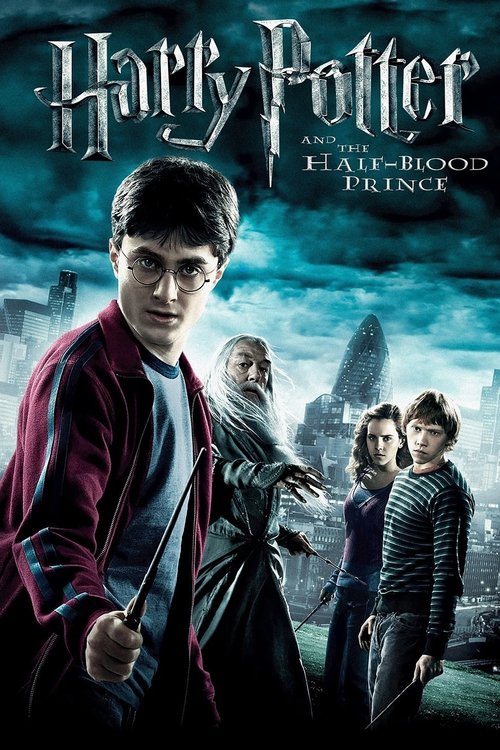
Harry Potter and the Half-Blood Prince
2009 · Directed by David Yates
Woke Score
CriticCritic Score
Audience
Ultra Based
Critics rated this 70 points above its woke score. Among Ultra Based films, this critic score ranks #411 of 1469.
Representation Casting
Score: 20/100
The cast includes some actors of color in supporting roles, reflecting the source material's diversity, but casting decisions appear driven by character requirements rather than representation consciousness.
LGBTQ+ Themes
Score: 0/100
No explicit LGBTQ themes or representation. The film contains no meaningful engagement with queer narratives or characters.
Feminist Agenda
Score: 15/100
Hermione Granger is portrayed as intelligent and capable, but this reflects standard character writing. No particular feminist agenda or messaging emerges from the narrative.
Racial Consciousness
Score: 10/100
While characters of color exist in the narrative, the film contains no explicit racial consciousness, commentary, or engagement with racial themes.
Climate Crusade
Score: 0/100
No climate-related messaging, environmental consciousness, or ecological themes present in the film.
Eat the Rich
Score: 5/100
The film contains no anti-capitalist messaging or critique of economic systems. Wealth and social hierarchy exist as plot elements without commentary.
Body Positivity
Score: 0/100
No body positivity messaging or commentary on body image standards present in the film.
Neurodivergence
Score: 0/100
No representation of or engagement with neurodivergent characters or experiences in the narrative.
Revisionist History
Score: 0/100
The film is a fantasy narrative with no historical content to revise or reinterpret.
Lecture Energy
Score: 5/100
The film maintains a narrative-driven approach with minimal preachy messaging. Some expository dialogue exists for plot clarity, but not in a lecture-like manner.


Synopsis
As Lord Voldemort tightens his grip on both the Muggle and wizarding worlds, Hogwarts is no longer a safe haven. Harry suspects perils may even lie within the castle, but Dumbledore is more intent upon preparing him for the final battle fast approaching. Together they work to find the key to unlock Voldemorts defenses and to this end, Dumbledore recruits his old friend and colleague Horace Slughorn, whom he believes holds crucial information. Even as the decisive showdown looms, romance blossoms for Harry, Ron, Hermione and their classmates. Love is in the air, but danger lies ahead and Hogwarts may never be the same again.
Consciousness Assessment
Harry Potter and the Half-Blood Prince stands as a thoroughly conventional fantasy entertainment, released at a moment when progressive social consciousness had not yet calcified into the specific cultural markers that would define the 2020s. The film presents itself as a straightforward adventure narrative, concerned primarily with plot mechanics and emotional beats rather than any particular ideological positioning. Its cast, while including some actors of color in supporting roles, reflects the mainstream casting practices of 2009 rather than any deliberate commitment to representation as a value in itself.
The film contains no meaningful engagement with contemporary social themes. There are no climate messaging, no anti-capitalist subtext, no body positivity gestures. The romantic subplots that emerge function as conventional narrative developments rather than vehicles for progressive sensibilities. Hermione Granger, the female lead, is portrayed as intelligent and capable, but this reflects basic character writing rather than any particular feminist agenda. The film exists in a cultural moment before such things became central concerns of mainstream entertainment.
What we have here is a well-executed entertainment product designed to satisfy the expectations of its source material and its audience. It is neither ahead of its time nor particularly regressive. It is, in the most literal sense, a film of its era, untouched by the cultural anxieties that would come to dominate the industry in subsequent years.
Analysis generated by our Consciousness Algorithm
Critic Reviews
“The most beautiful magic in it is left unseen. And still, it emerges with absolute clarity.”
“This film is the sharpest since "The Prisoner of Azkaban." It is the most emotionally satisfying, blending spot-on comedy and adenoidal sexual tension, with scenes of gutsy vulnerability.”
“But the story is, still and all, only a pause, deferring an intensely anticipated conclusion. And it's in that exquisite place of action and waiting that this elegantly balanced production emerges as a model adaptation.”
“We get one lovely, cheering sequence of a trashed room putting itself in order, like the untidy nursery in "Mary Poppins," but the rest of the magic here feels randomly grabbed at.”
Consciousness Markers
The cast includes some actors of color in supporting roles, reflecting the source material's diversity, but casting decisions appear driven by character requirements rather than representation consciousness.
No explicit LGBTQ themes or representation. The film contains no meaningful engagement with queer narratives or characters.
Hermione Granger is portrayed as intelligent and capable, but this reflects standard character writing. No particular feminist agenda or messaging emerges from the narrative.
While characters of color exist in the narrative, the film contains no explicit racial consciousness, commentary, or engagement with racial themes.
No climate-related messaging, environmental consciousness, or ecological themes present in the film.
The film contains no anti-capitalist messaging or critique of economic systems. Wealth and social hierarchy exist as plot elements without commentary.
No body positivity messaging or commentary on body image standards present in the film.
No representation of or engagement with neurodivergent characters or experiences in the narrative.
The film is a fantasy narrative with no historical content to revise or reinterpret.
The film maintains a narrative-driven approach with minimal preachy messaging. Some expository dialogue exists for plot clarity, but not in a lecture-like manner.