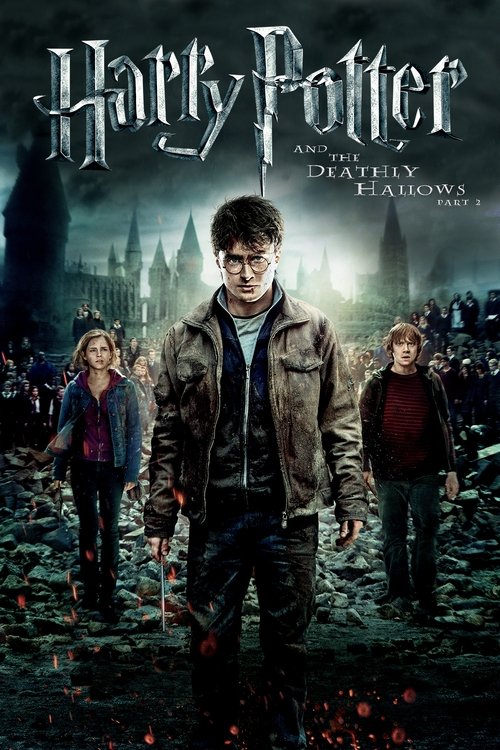
Harry Potter and the Deathly Hallows: Part 2
2011 · Directed by David Yates
Woke Score
CriticCritic Score
Audience
Based
Critics rated this 63 points above its woke score. Among Based films, this critic score ranks #43 of 345.
Representation Casting
Score: 35/100
The cast includes actors of color in supporting roles, but representation appears incidental rather than intentional. Lead roles remain predominantly white, reflecting early 2010s casting norms.
LGBTQ+ Themes
Score: 0/100
Dumbledore's sexuality is entirely absent from the screen. The film contains no LGBTQ characters or themes, despite the source material's later revelations about the character.
Feminist Agenda
Score: 25/100
Hermione is a capable character who happens to be female, but the film does not interrogate gender or female experience. Her agency stems from competence rather than explicit feminist critique.
Racial Consciousness
Score: 20/100
The film features minority actors but does not address race as a narrative concern. Voldemort's blood purity ideology is treated as fantasy plot mechanics rather than commentary on racism.
Climate Crusade
Score: 0/100
There is no engagement with environmental concerns or climate themes whatsoever in this fantasy adventure film.
Eat the Rich
Score: 10/100
The narrative contains no meaningful critique of capitalism or wealth accumulation. Economic systems are not interrogated within the magical world.
Body Positivity
Score: 5/100
The film presents conventionally attractive actors without exploring body diversity or challenging beauty standards in any conscious manner.
Neurodivergence
Score: 0/100
There is no representation of neurodivergent characters or engagement with neurodivergence as a theme.
Revisionist History
Score: 0/100
The film is pure fantasy with no historical setting or revisionist claims about real-world events.
Lecture Energy
Score: 15/100
The film contains some philosophical dialogue about love, sacrifice, and death, but these emerge organically from character relationships rather than as preachy lectures to the audience.


Synopsis
Harry, Ron and Hermione continue their quest to vanquish the evil Voldemort once and for all. Just as things begin to look hopeless for the young wizards, Harry discovers a trio of magical objects that endow him with powers to rival Voldemort's formidable skills.
Consciousness Assessment
Harry Potter and the Deathly Hallows: Part 2 arrives as a thoroughly traditional fantasy epic, concerned primarily with the mechanics of magical warfare and the triumph of good over evil. The film exhibits the cultural sensibilities of its source material, which predates the contemporary progressive consciousness by a decade or more. The cast, while featuring some actors of color, casts them largely in supporting roles without particular attention to representation as a narrative value. There is no meaningful engagement with climate concerns, economic critique, or neurodivergent representation. The feminism on display is incidental rather than intentional, with Hermione functioning as a competent character who happens to be female rather than a figure through which gendered experience is interrogated.
The film's relationship to its own mythology proves similarly unremarkable from the perspective of contemporary cultural markers. Dumbledore's sexuality, a matter of considerable scholarly debate among the fanbase, remains entirely absent from the screen text. The narrative contains no lectures on systemic injustice or environmental collapse. Body diversity is absent. Voldemort's villainy rests on fascistic principles and blood purity doctrine, yet the film treats these themes as plot mechanics rather than opportunities for contemporary social commentary. We are watching a straightforward fantasy adventure that aims to entertain rather than educate or interrogate.
The film's earnest commitment to its magical world-building, while admirable from a cinematic standpoint, leaves it untouched by the progressive sensibilities that would come to dominate cultural discourse in the years following its release. This is not a failing of the film so much as a reflection of its moment. It occupies the space of pre-awakening commercial cinema, concerned with spectacle and narrative resolution rather than the careful calibration of social consciousness that marks contemporary filmmaking.
Analysis generated by our Consciousness Algorithm
Critic Reviews
“Fully justifying the decision, once thought purely mercenary, of splitting J.K. Rowling's final book into two parts, this is an exciting and, to put it mildly, massively eventful finale that will grip and greatly please anyone who has been at all a fan of the series up to now.”
“Everything a summer blockbuster should be but rarely is - a whip-smart, slam-bang piece of entertainment where we deeply care about the fate of the central characters. ”
“So ends this enormously important, and enormously extended, chapter of pop culture, with a combination of bang and whimper.”
Consciousness Markers
The cast includes actors of color in supporting roles, but representation appears incidental rather than intentional. Lead roles remain predominantly white, reflecting early 2010s casting norms.
Dumbledore's sexuality is entirely absent from the screen. The film contains no LGBTQ characters or themes, despite the source material's later revelations about the character.
Hermione is a capable character who happens to be female, but the film does not interrogate gender or female experience. Her agency stems from competence rather than explicit feminist critique.
The film features minority actors but does not address race as a narrative concern. Voldemort's blood purity ideology is treated as fantasy plot mechanics rather than commentary on racism.
There is no engagement with environmental concerns or climate themes whatsoever in this fantasy adventure film.
The narrative contains no meaningful critique of capitalism or wealth accumulation. Economic systems are not interrogated within the magical world.
The film presents conventionally attractive actors without exploring body diversity or challenging beauty standards in any conscious manner.
There is no representation of neurodivergent characters or engagement with neurodivergence as a theme.
The film is pure fantasy with no historical setting or revisionist claims about real-world events.
The film contains some philosophical dialogue about love, sacrifice, and death, but these emerge organically from character relationships rather than as preachy lectures to the audience.