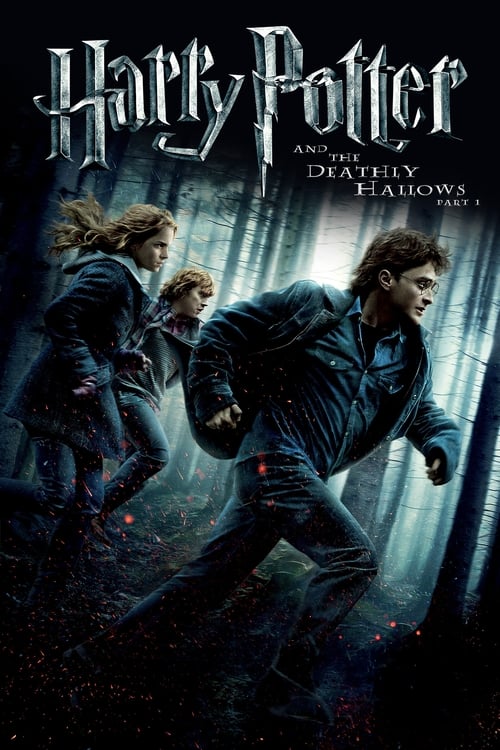
Harry Potter and the Deathly Hallows: Part 1
2010 · Directed by David Yates
Woke Score
CriticCritic Score
Ultra Based
Critics rated this 78 points above its woke score. Among Ultra Based films, this critic score ranks #217 of 1469.
Representation Casting
Score: 25/100
Principal cast is predominantly white British actors. Diversity appears only in supporting and peripheral roles, reflecting early 2010s mainstream cinema norms rather than deliberate casting consciousness.
LGBTQ+ Themes
Score: 0/100
No LGBTQ+ representation in the film itself. Dumbledore's sexuality would not be acknowledged until years later in retrospective authorial commentary outside the films.
Feminist Agenda
Score: 15/100
Female characters like Hermione are present and agency-driven, but the film does not interrogate gender dynamics or foreground feminist consciousness as a deliberate theme.
Racial Consciousness
Score: 20/100
While the plot involves persecution of magical beings by a fascistic regime, this emerges from fantasy worldbuilding rather than explicit engagement with racial consciousness or contemporary racial discourse.
Climate Crusade
Score: 0/100
No climate-related themes or messaging appear in the film. Environmental concerns are entirely absent from the narrative.
Eat the Rich
Score: 10/100
The antagonists are motivated by power and ideology rather than capitalist critique. No systematic interrogation of economic systems or class consciousness appears in the film.
Body Positivity
Score: 0/100
No body positivity messaging or themes. Characters are presented without deliberate commentary on body diversity or appearance.
Neurodivergence
Score: 0/100
No representation of neurodivergent characters or exploration of neurodivergence as a theme in the narrative.
Revisionist History
Score: 0/100
The film adapts fantasy source material with no engagement in historical revisionism or reframing of real-world historical events.
Lecture Energy
Score: 5/100
Themes of persecution and resistance emerge organically from the plot rather than through preachy exposition. The film prioritizes narrative momentum over explicit moral instruction.


Synopsis
Harry, Ron and Hermione walk away from their last year at Hogwarts to find and destroy the remaining Horcruxes, putting an end to Voldemort's bid for immortality. But with Harry's beloved Dumbledore dead and Voldemort's unscrupulous Death Eaters on the loose, the world is more dangerous than ever.
Consciousness Assessment
Harry Potter and the Deathly Hallows: Part 1 remains a product of its pre-2015 moment, a time when progressive sensibilities had not yet coalesced into the specific cultural phenomenon we now recognize. The film adapts a narrative that inherently opposes genocidal fascism, but it does so without the interpretive apparatus or deliberate signaling that marks contemporary cinema. The plot involves persecution and ethnic cleansing, yet these elements emerge organically from the fantasy worldbuilding rather than through preachy foregrounding. Hermione and other female characters are present and capable, but the film does not interrogate gender dynamics or perform feminist consciousness.
The casting is predominantly white in all principal roles, with diversity appearing only in peripheral characters. There is no LGBTQ+ representation in the film itself, though Dumbledore's sexuality would later become a point of retrospective authorial commentary. The narrative contains no climate messaging, no anti-capitalist critique, no body positivity themes, no neurodivergence representation, and no revisionist historical reframing. The Death Eaters function as straightforward villains motivated by power and ideology, not as a vehicle for contemporary social commentary.
What we observe is a well-executed fantasy thriller that happens to feature fascistic antagonists, but which does not engage in the kind of explicit progressive cultural signaling that characterizes 2020s cinema. The film is serious about its themes of persecution and resistance, but it treats them as elements of plot rather than opportunities for modern social consciousness. Assessing it as a 2010 artifact, not as a contemporary work, reveals a straightforward adaptation without particular progressive ambitions.
Analysis generated by our Consciousness Algorithm
Critic Reviews
“Harry Potter and the Deathly Hallows - Part 1 also bravely faces the future, slipping with expert ease among the thrilling mass of complications and guiding the faithful to the fate that awaits everyone in this world.”
“Screenwriter Steve Kloves finds the perfect cliffhanger, one that emphasizes just how dangerous young Mr. Potter's situation really is and definitely leaves the audience anxious for the next chapter.”
“This is a quest movie, with a lot of ground covered, and just as our heroes never stay long in one place or feel safe in their surroundings, neither does the audience.”
“Director David Yates throws us straight into Harry's waking nightmare, as he searches for a way to defeat Lord Voldemort while keeping himself and his friends alive.”
Consciousness Markers
Principal cast is predominantly white British actors. Diversity appears only in supporting and peripheral roles, reflecting early 2010s mainstream cinema norms rather than deliberate casting consciousness.
No LGBTQ+ representation in the film itself. Dumbledore's sexuality would not be acknowledged until years later in retrospective authorial commentary outside the films.
Female characters like Hermione are present and agency-driven, but the film does not interrogate gender dynamics or foreground feminist consciousness as a deliberate theme.
While the plot involves persecution of magical beings by a fascistic regime, this emerges from fantasy worldbuilding rather than explicit engagement with racial consciousness or contemporary racial discourse.
No climate-related themes or messaging appear in the film. Environmental concerns are entirely absent from the narrative.
The antagonists are motivated by power and ideology rather than capitalist critique. No systematic interrogation of economic systems or class consciousness appears in the film.
No body positivity messaging or themes. Characters are presented without deliberate commentary on body diversity or appearance.
No representation of neurodivergent characters or exploration of neurodivergence as a theme in the narrative.
The film adapts fantasy source material with no engagement in historical revisionism or reframing of real-world historical events.
Themes of persecution and resistance emerge organically from the plot rather than through preachy exposition. The film prioritizes narrative momentum over explicit moral instruction.