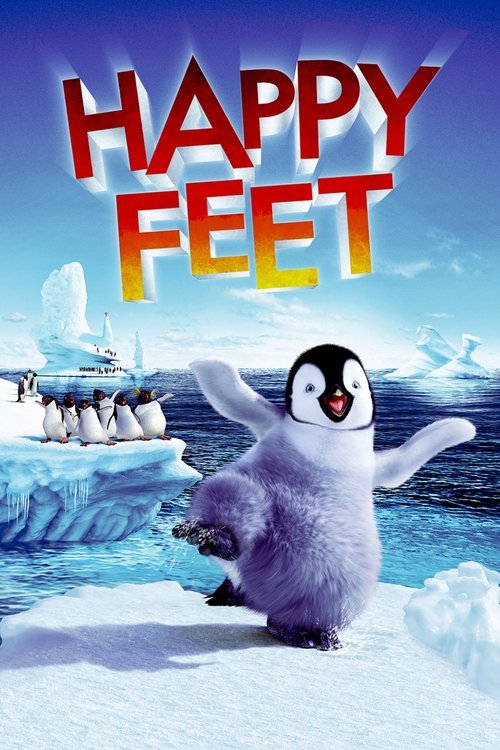
Happy Feet
2006 · Directed by George Miller
Woke Score
CriticCritic Score
Audience
Woke-Adjacent
Critics rated this 25 points above its woke score. Among Woke-Adjacent films, this critic score ranks #52 of 151.
Representation Casting
Score: 35/100
The film features a diverse voice cast and celebrates a protagonist who differs from social norms, though this reflects general inclusion rather than modern representation politics.
LGBTQ+ Themes
Score: 0/100
No LGBTQ+ themes or representation present in the narrative.
Feminist Agenda
Score: 15/100
Gender roles exist within the penguin colony but receive no feminist interrogation. Female characters serve functional roles without progressive commentary.
Racial Consciousness
Score: 10/100
Diverse voice casting exists, but the film does not engage with racial themes or consciousness explicitly.
Climate Crusade
Score: 75/100
The film's second half centers environmental destruction and overfishing as the primary antagonist, with humans presented as the destructive force threatening penguin survival.
Eat the Rich
Score: 60/100
Industrial fishing practices and corporate exploitation of natural resources are framed as villainous, representing a critique of capitalist extraction.
Body Positivity
Score: 0/100
No body positivity messaging or themes are present in the narrative.
Neurodivergence
Score: 25/100
Mumble's inability to sing could suggest neurodivergent representation, but the film frames it as individual difference he transcends through alternate talents rather than celebrating diversity.
Revisionist History
Score: 0/100
No historical revisionism or reinterpretation of past events occurs in this fictional animal story.
Lecture Energy
Score: 40/100
The film becomes increasingly preachy in its second half, with environmental messaging that borders on preachy, though the tone remains relatively light for a children's film.


Synopsis
Into the world of the Emperor Penguins, who find their soul mates through song, a penguin is born who cannot sing. But he can tap dance something fierce.
Consciousness Assessment
Happy Feet occupies an unusual position in the cultural landscape of mid-2000s animation. On the surface, it presents itself as a cheerful family musical about tap-dancing penguins and the importance of individual expression. The tap dancing sequences, scored to Elijah Wood's enthusiastic voice work, suggest a film more interested in spectacle than substance. Yet beneath this glittering surface lies a film that becomes progressively more concerned with environmental catastrophe, overfishing, and the destructive consequences of industrial human civilization. The second act makes a sharp tonal turn toward ecological alarm, with the colony's starvation revealed to stem not from natural cycles but from corporate fishing practices that have depleted their food source. This is not subtle filmmaking, and the movie seems aware that it has abandoned pretense of being merely about penguins finding love through song.
What emerges from this tonal bifurcation is a film caught between competing impulses. The first half celebrates neurodiversity and individual difference through Mumble's inability to sing, though the narrative frames his tap dancing as a compensatory talent rather than a celebration of different ways of being. The diverse voice cast and the protagonist's outsider status might suggest progressive sensibilities, but these elements predate modern progressive frameworks by several years. The film's critique of industrial capitalism and resource extraction, however, sits squarely within contemporary environmental consciousness. By 2006, climate anxiety and anti-corporate sentiment were increasingly visible in mainstream entertainment, and Happy Feet positions itself as an advocate for this worldview.
The film's woke score of 38 reflects its uneven engagement with contemporary social consciousness. The environmental messaging pushes the score higher, while the relative absence of LGBTQ+ representation, feminist framework, and racial consciousness keeps it moderate. The lecture energy is present but tempered by the film's commitment to entertainment, which prevents it from becoming a full-throated activist tract. Happy Feet remains a curious artifact of its moment, a film that wanted to be both a toe-tapping musical and an environmental parable, achieving neither with complete conviction but managing something stranger in the process.
Analysis generated by our Consciousness Algorithm
Critic Reviews
“In the year of the animated movie, this one soars above them all.”
“Happy Feet is not only the year's best animated movie, it's one of the year's best movies, period. Go.”
“You should see Happy Feet--not only because it's stupendous, but also because it features the best dancing you'll see on the screen this year.”
“Let's just say this is a perfect film for penguin lovers who also are devoted members of the Green party - and leave it at that.”
Consciousness Markers
The film features a diverse voice cast and celebrates a protagonist who differs from social norms, though this reflects general inclusion rather than modern representation politics.
No LGBTQ+ themes or representation present in the narrative.
Gender roles exist within the penguin colony but receive no feminist interrogation. Female characters serve functional roles without progressive commentary.
Diverse voice casting exists, but the film does not engage with racial themes or consciousness explicitly.
The film's second half centers environmental destruction and overfishing as the primary antagonist, with humans presented as the destructive force threatening penguin survival.
Industrial fishing practices and corporate exploitation of natural resources are framed as villainous, representing a critique of capitalist extraction.
No body positivity messaging or themes are present in the narrative.
Mumble's inability to sing could suggest neurodivergent representation, but the film frames it as individual difference he transcends through alternate talents rather than celebrating diversity.
No historical revisionism or reinterpretation of past events occurs in this fictional animal story.
The film becomes increasingly preachy in its second half, with environmental messaging that borders on preachy, though the tone remains relatively light for a children's film.