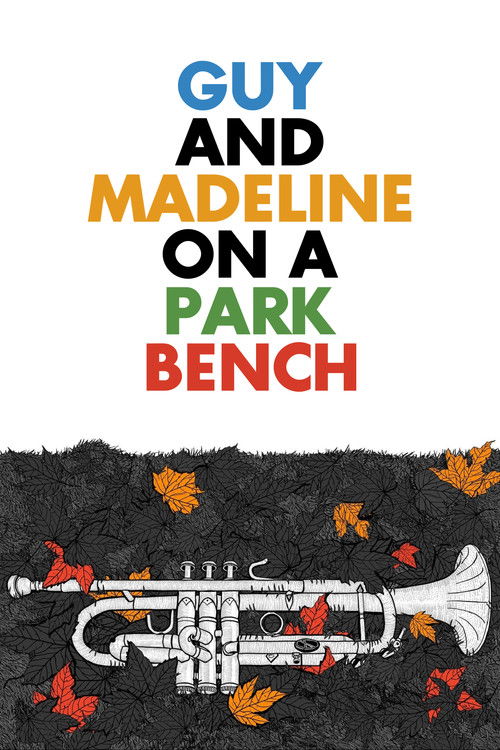
Guy and Madeline on a Park Bench
2010 · Directed by Damien Chazelle
Woke Score
CriticCritic Score
Audience
Ultra Based
Critics rated this 79 points above its woke score. Among Ultra Based films, this critic score ranks #286 of 1469.
Representation Casting
Score: 15/100
The cast includes actors of color in both lead and supporting roles, particularly Desiree Garcia as the female lead, though this appears organic to the narrative rather than a deliberate representational statement.
LGBTQ+ Themes
Score: 0/100
No LGBTQ+ themes or characters are present in the film. The romantic plot is entirely heterosexual and shows no interest in sexual or gender diversity.
Feminist Agenda
Score: 5/100
The female lead is portrayed as shy and an object of romantic pursuit rather than an agent of her own narrative. There is no feminist consciousness or commentary present.
Racial Consciousness
Score: 0/100
While the cast includes people of color, the film contains no thematic engagement with race, racism, or racial identity. Representation is incidental rather than conscious.
Climate Crusade
Score: 0/100
Climate change or environmental concerns do not feature in this intimate romantic musical in any form.
Eat the Rich
Score: 0/100
The film contains no critique of capitalism, wealth inequality, or systemic economic injustice. Economic themes are entirely absent.
Body Positivity
Score: 0/100
The film shows no engagement with body positivity, fat acceptance, or any commentary on physical appearance and social standards.
Neurodivergence
Score: 0/100
Neurodivergence is not a theme in the film. The male character's shyness is presented as a personality trait rather than a neurodevelopmental condition.
Revisionist History
Score: 0/100
The film contains no historical narrative or revisionist reinterpretation of historical events. It is set in contemporary Boston.
Lecture Energy
Score: 0/100
The film is concerned with aesthetic experimentation and romantic storytelling rather than preachy messaging or audience instruction.

Synopsis
After connecting with the shy Madeline, a jazz trumpeter embarks on a quest for a more gregarious paramour, but through a series of twists and turns punctuated by an original score, the two lovers seem destined to be together.
Consciousness Assessment
Damien Chazelle's directorial debut is a charming, formally inventive indie musical that exists almost entirely outside the contemporary discourse around cultural consciousness. Shot in crisp black-and-white 16mm and structured around jazz rhythms rather than social argument, the film concerns itself with the timeless mechanics of romantic attraction and the city as backdrop for human connection. The cast is drawn from non-professional actors and musicians, which lends an authenticity to the proceedings but also an indifference to the representational concerns that would come to dominate filmmaking discourse in the subsequent decade.
The film's only gesture toward modern social consciousness comes from the casting of Desiree Garcia as Madeline, the female lead, and the presence of several actors of color in supporting roles. Yet this representation feels entirely organic to the Boston setting rather than a deliberate statement. There is no lecture, no message, no sense that the film wishes to educate us about systemic inequity or marginalization. It is simply a story about people, shot with considerable formal sophistication and an affection for the aesthetic traditions of the French New Wave. The film's feminism, if we must locate any, is incidental to its romantic plotting rather than thematic.
This is a film that predates the cultural moment that would have made it legible as either progressive or retrograde in the contemporary sense. It belongs to a different era of cinema entirely, one in which style and narrative took precedence over social positioning. The woke markers that define 2020s cultural consciousness are simply absent from its vocabulary.
Analysis generated by our Consciousness Algorithm
Critic Reviews
“Damien Chazelle's extraordinary black-and-white retro dream of a feature debut.”
“If John Cassavetes had directed a jazz musical by Jacques Demy, it might have looked something like this. ”
“Visually distinctive and aurally delightful, "Guy and Madeline on a Park Bench" has style to burn. A soulful black-and-white commentary on love, art and their competing demands, this Boston-based musical from Damien Chazelle floats on a wave of spontaneity and charm. ”
“That the duo will work their way back to each other is never in doubt, although Chazelle doesn't succumb to easy sentiment. If anything, he moves too far in the other direction, aiming for a wizened ambiguity that doesn't entirely come off. ”
Consciousness Markers
The cast includes actors of color in both lead and supporting roles, particularly Desiree Garcia as the female lead, though this appears organic to the narrative rather than a deliberate representational statement.
No LGBTQ+ themes or characters are present in the film. The romantic plot is entirely heterosexual and shows no interest in sexual or gender diversity.
The female lead is portrayed as shy and an object of romantic pursuit rather than an agent of her own narrative. There is no feminist consciousness or commentary present.
While the cast includes people of color, the film contains no thematic engagement with race, racism, or racial identity. Representation is incidental rather than conscious.
Climate change or environmental concerns do not feature in this intimate romantic musical in any form.
The film contains no critique of capitalism, wealth inequality, or systemic economic injustice. Economic themes are entirely absent.
The film shows no engagement with body positivity, fat acceptance, or any commentary on physical appearance and social standards.
Neurodivergence is not a theme in the film. The male character's shyness is presented as a personality trait rather than a neurodevelopmental condition.
The film contains no historical narrative or revisionist reinterpretation of historical events. It is set in contemporary Boston.
The film is concerned with aesthetic experimentation and romantic storytelling rather than preachy messaging or audience instruction.