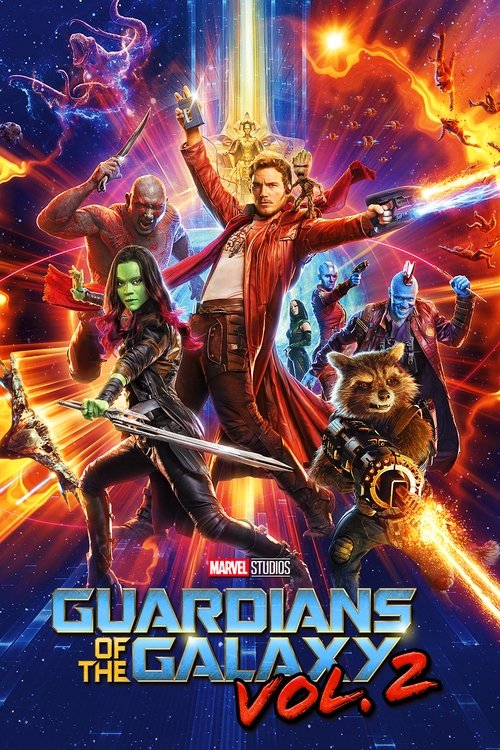
Guardians of the Galaxy Vol. 2
2017 · Directed by James Gunn
Woke Score
CriticCritic Score
Audience
Based
Critics rated this 32 points above its woke score. Among Based films, this critic score ranks #176 of 345.
Representation Casting
Score: 62/100
The ensemble includes performers of diverse ethnic backgrounds including Zoe Saldaña, Dave Bautista, and Pom Klementieff, representing a multiethnic cast that was becoming standard for Marvel films by 2017.
LGBTQ+ Themes
Score: 0/100
No LGBTQ+ themes, representation, or character arcs present in the narrative. The film contains no explicit or coded LGBTQ+ content.
Feminist Agenda
Score: 35/100
Gamora and the female characters exist within the ensemble but do not drive the central narrative. The film treats them as equal ensemble members rather than subordinate, which represents baseline progressive standards without active feminist agenda.
Racial Consciousness
Score: 28/100
While the cast is diverse, the film does not engage in explicit racial consciousness or commentary. Diversity exists as representation without thematic integration or interrogation of systemic issues.
Climate Crusade
Score: 0/100
No climate-related themes, messaging, or environmental consciousness present in the film. The narrative concerns family and identity rather than ecological concerns.
Eat the Rich
Score: 15/100
The film operates within a space opera framework without critiquing capitalist systems. While antagonists exist, their opposition is not framed through anti-capitalist ideology but through personal conflict.
Body Positivity
Score: 25/100
The cast includes bodies of varying shapes and sizes, and the film does not mock or shame any character for physical appearance. However, this represents absence of body-shaming rather than active body positivity messaging.
Neurodivergence
Score: 20/100
Pom Klementieff's Mantis displays social awkwardness and different communication patterns that could be coded as neurodivergent, but this is never explicitly addressed or thematized as representation.
Revisionist History
Score: 0/100
No revisionist historical framing present. The film operates within its own fictional universe and does not reinterpret historical events or narratives.
Lecture Energy
Score: 15/100
The film prioritizes entertainment and humor over preachy messaging. While it contains thematic material about family and belonging, it never lectures the audience on these concepts.


Synopsis
The Guardians must fight to keep their newfound family together as they unravel the mysteries of Peter Quill's true parentage.
Consciousness Assessment
Guardians of the Galaxy Vol. 2 arrives as a film of mixed cultural sensibilities, one that operates within a Marvel system designed for maximum accessibility rather than maximum consciousness-raising. The narrative concerning Peter Quill's search for his father unfolds against a backdrop of found family dynamics, a theme that carries certain progressive undertones regarding the rejection of biological determinism in favor of chosen kinship. The ensemble cast includes performers of diverse ethnic backgrounds, though their casting functions primarily as natural representation rather than as deliberate commentary on systemic inclusion. James Gunn's direction emphasizes comedic irreverence and emotional vulnerability, neither of which are inherently markers of contemporary social consciousness.
The film's thematic structure privileges sentiment over interrogation. The Guardians constitute a unit bound not by blood but by affection and circumstance, a metaphorical architecture that resonates with certain progressive frameworks regarding non-traditional family structures. Yet the film never explicitly foregrounds this reading, nor does it interrogate the systems that made such families necessary in the first place. The addition of Pom Klementieff's Mantis introduces a character with neurodivergent coding to her social awkwardness, though this remains subtext rather than explicit representation or thematic focus. The film's commitment to surface-level diversity, while appreciated, does not constitute the comprehensive cultural consciousness that defines modern progressive sensibility.
The absence of LGBTQ+ themes, climate consciousness, anti-capitalist messaging, or revisionist historical framing places this film squarely in the pre-2020s entertainment paradigm. It is a film that contains progressive elements without being programmatic about them, which is to say it contains almost nothing that would register as culturally conscious by contemporary standards. One watches it and observes the diversity, notes the family-centric narrative, and then moves on, having encountered nothing that demands ideological commitment. For a Marvel film, this represents baseline contemporary sensibility. For an assessment of cultural consciousness, it represents a modest score that acknowledges representation without mistaking representation for radicalism.
Analysis generated by our Consciousness Algorithm
Critic Reviews
“The new film is more expansive, more beautiful, funnier, nuttier and — this is the most difficult trick for any comic-book movie to pull off — more touching than the first film.”
“How many times have you read that it’s really hard to duplicate the success of the first film in a sequel? Probably more than you can remember. Well, here’s a newsflash: Guardians of the Galaxy, Vol. 2 pulls that feat off with only a little strain and a belly of genuine emotion.”
“It’s the rare Marvel sequel that manages to expand on what came before in new and rewarding ways, while also striking its own distinct tone even as some of its narrative devices skew familiar.”
“It’s a rare misstep for the usually sure-footed folks behind the Marvel Cinematic Universe.”
Consciousness Markers
The ensemble includes performers of diverse ethnic backgrounds including Zoe Saldaña, Dave Bautista, and Pom Klementieff, representing a multiethnic cast that was becoming standard for Marvel films by 2017.
No LGBTQ+ themes, representation, or character arcs present in the narrative. The film contains no explicit or coded LGBTQ+ content.
Gamora and the female characters exist within the ensemble but do not drive the central narrative. The film treats them as equal ensemble members rather than subordinate, which represents baseline progressive standards without active feminist agenda.
While the cast is diverse, the film does not engage in explicit racial consciousness or commentary. Diversity exists as representation without thematic integration or interrogation of systemic issues.
No climate-related themes, messaging, or environmental consciousness present in the film. The narrative concerns family and identity rather than ecological concerns.
The film operates within a space opera framework without critiquing capitalist systems. While antagonists exist, their opposition is not framed through anti-capitalist ideology but through personal conflict.
The cast includes bodies of varying shapes and sizes, and the film does not mock or shame any character for physical appearance. However, this represents absence of body-shaming rather than active body positivity messaging.
Pom Klementieff's Mantis displays social awkwardness and different communication patterns that could be coded as neurodivergent, but this is never explicitly addressed or thematized as representation.
No revisionist historical framing present. The film operates within its own fictional universe and does not reinterpret historical events or narratives.
The film prioritizes entertainment and humor over preachy messaging. While it contains thematic material about family and belonging, it never lectures the audience on these concepts.