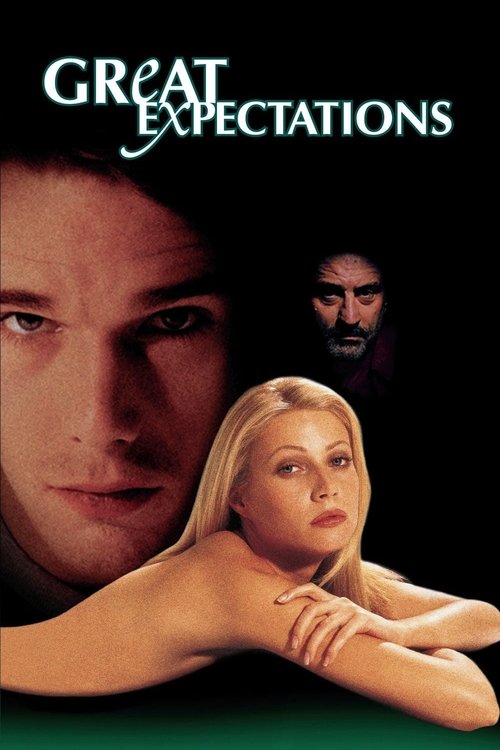
Great Expectations
1998 · Directed by Alfonso Cuarón
Woke Score
CriticCritic Score
Audience
Ultra Based
Critics rated this 51 points above its woke score. Among Ultra Based films, this critic score ranks #1052 of 1469.
Representation Casting
Score: 5/100
Cast includes some minority actors in supporting roles (Hank Azaria), but the lead roles remain white and the casting reflects 1990s Hollywood norms with no apparent intentionality around diversity.
LGBTQ+ Themes
Score: 0/100
No LGBTQ+ themes, representation, or subtext appear in the film. The narrative is entirely centered on heterosexual romance.
Feminist Agenda
Score: 0/100
Estella functions as an object of desire within a male-centered narrative. The film preserves the patriarchal structure of its source material without interrogating or subverting it.
Racial Consciousness
Score: 0/100
The film contains no examination of race, racial dynamics, or systemic racism. New York City is depicted without engagement with racial realities or representation.
Climate Crusade
Score: 0/100
Climate change and environmental concerns are entirely absent from this romantic drama.
Eat the Rich
Score: 0/100
While the plot involves inherited wealth, there is no critique of capitalism or class systems. The narrative celebrates artistic ambition and romantic success within existing power structures.
Body Positivity
Score: 0/100
The film contains no engagement with body diversity, fat positivity, or any challenge to conventional beauty standards.
Neurodivergence
Score: 0/100
No neurodivergent characters or themes appear in the narrative.
Revisionist History
Score: 0/100
As a contemporary adaptation of a literary classic, the film contains no historical revision or reexamination of past events.
Lecture Energy
Score: 5/100
The film occasionally indulges in pretentious dialogue about art and aspiration, though it falls short of overt preachiness. The tone remains primarily romantic and aesthetic rather than preachy.


Synopsis
Loosely based on the Charles Dickens' classic novel, "Great Expectations" is a sensual tale of a young man's unforgettable passage into manhood, and the three individuals who will undeniably change his life forever. Through the surprising interactions of these vivid characters, "Great Expectations" takes a unique and contemporary look at life's great coincidences.
Consciousness Assessment
Alfonso Cuarón's 1998 "Great Expectations" is a film of considerable surface stylization that mistakes visual opulence for cultural sophistication. The adaptation transposes Dickens to late-1990s New York and Florida, trading gaslit London streets for the neon glitter of contemporary America, yet the sensibility remains rooted in late-twentieth-century aesthetic excess rather than any interrogation of social structures. The cast, while featuring talented actors, reflects the casting patterns of its era: Ethan Hawke and Gwyneth Paltrow carry the romantic core, with supporting roles distributed to reliable character actors. There is nothing here that suggests intentional engagement with representation beyond simple narrative function.
The film's thematic concerns are those of a coming-of-age romance, preoccupied with artistic aspiration and romantic longing rather than any systematic examination of gender dynamics, identity, or social justice. Estella remains an object of desire rather than a fully realized subject; the narrative structure preserves the masculine gaze that animated Dickens' original work. The modernization amounts to surface-level transposition of setting rather than any reimagining of the novel's power structures or social hierarchies. One encounters no meaningful exploration of systemic inequality, no climate consciousness, no disability representation, no interrogation of capitalism beyond the thin plot device of inherited wealth.
This film is primarily a period piece masquerading as contemporaneity, a work more interested in aesthetic atmosphere than ideological commitment. The romantic melodrama proceeds according to entirely conventional logic. We are meant to find the protagonist's journey compelling through emotional resonance rather than through any challenge to the status quo. For a 1998 film, this represents unremarkable practice rather than progressive vision.
Analysis generated by our Consciousness Algorithm
Critic Reviews
“Handsome, well-acted, well-written and beautifully directed movie. ”
“Great Expectations is a triumph because Cuarón's vision prevailed. He seems to be one of those artists capable of reminding us how we first experienced movies, as an overpowering enchantment.”
“From watching this meandering, stilted movie, anyone unfamiliar with Charles Dickens' novel would be not only disinclined to pick it up but also clueless as to why it's considered great. ”
Consciousness Markers
Cast includes some minority actors in supporting roles (Hank Azaria), but the lead roles remain white and the casting reflects 1990s Hollywood norms with no apparent intentionality around diversity.
No LGBTQ+ themes, representation, or subtext appear in the film. The narrative is entirely centered on heterosexual romance.
Estella functions as an object of desire within a male-centered narrative. The film preserves the patriarchal structure of its source material without interrogating or subverting it.
The film contains no examination of race, racial dynamics, or systemic racism. New York City is depicted without engagement with racial realities or representation.
Climate change and environmental concerns are entirely absent from this romantic drama.
While the plot involves inherited wealth, there is no critique of capitalism or class systems. The narrative celebrates artistic ambition and romantic success within existing power structures.
The film contains no engagement with body diversity, fat positivity, or any challenge to conventional beauty standards.
No neurodivergent characters or themes appear in the narrative.
As a contemporary adaptation of a literary classic, the film contains no historical revision or reexamination of past events.
The film occasionally indulges in pretentious dialogue about art and aspiration, though it falls short of overt preachiness. The tone remains primarily romantic and aesthetic rather than preachy.