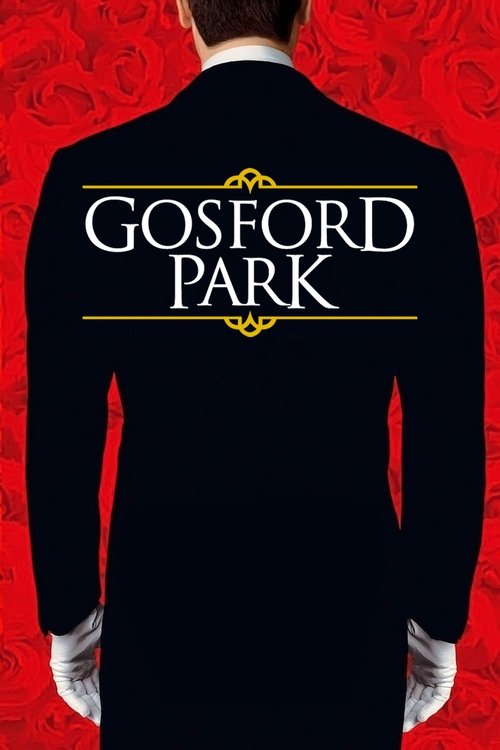
Gosford Park
2001 · Directed by Robert Altman
Woke Score
CriticCritic Score
Audience
Based
Critics rated this 68 points above its woke score. Among Based films, this critic score ranks #21 of 345.
Representation Casting
Score: 15/100
The cast is predominantly white and reflects the historical period. While women are present in significant roles, there is no deliberate effort toward diverse representation that would signal modern casting consciousness.
LGBTQ+ Themes
Score: 0/100
No LGBTQ+ themes, characters, or subtext are present in the film. The narrative contains no representation of or engagement with LGBTQ+ identities.
Feminist Agenda
Score: 12/100
Female characters like Maggie Smith are complex and powerful, but the film does not engage in feminist critique or examination of patriarchal structures. Their agency emerges from character rather than ideological positioning.
Racial Consciousness
Score: 5/100
The film contains minimal racial consciousness. While set in 1930s Britain, it does not engage with racial themes or dynamics in any meaningful way beyond the historical context.
Climate Crusade
Score: 0/100
No climate-related themes, concerns, or messaging appear in the film. Environmental consciousness is entirely absent.
Eat the Rich
Score: 35/100
The film does examine class exploitation and the machinery of aristocratic privilege, revealing how servants are treated as interchangeable parts. However, this critique emerges from literary tradition rather than modern anti-capitalist rhetoric.
Body Positivity
Score: 0/100
The film contains no body positivity messaging or engagement with questions of body diversity, disability representation, or related contemporary concerns.
Neurodivergence
Score: 0/100
No characters are coded as neurodivergent, and no engagement with neurodivergent representation or themes occurs in the narrative.
Revisionist History
Score: 8/100
While the film offers a perspective on 1930s class dynamics, it does not reframe or revise historical narratives in ways that align with modern progressive reinterpretation.
Lecture Energy
Score: 20/100
The film maintains Altman's characteristic subtlety and ensemble complexity. While it contains class commentary, it avoids preachy or preachy presentation, trusting viewers to observe and interpret.


Synopsis
In 1930s England, a group of pretentious rich and famous gather together for a weekend of relaxation at a hunting resort. But when a murder occurs, each one of these interesting characters becomes a suspect.
Consciousness Assessment
Gosford Park operates as a sophisticated examination of class hierarchy, though the examination itself proceeds through the conventions of the English country house mystery rather than through modern progressive frameworks. Robert Altman's ensemble piece treats servants and aristocrats with anthropological interest, revealing their shared humanity beneath rigid social positions. The narrative does not deploy contemporary social justice vocabulary to critique these systems; it observes them with detachment, cataloging a vanished world.
The film's treatment of female characters warrants attention. Maggie Smith and Kristin Scott Thomas command formidable presences, neither defined by their relationships to men, yet the film does not interrogate gender dynamics in any sustained way. Their complexity emerges from character and circumstance rather than from deliberate examination of gendered power structures. Similarly, the ensemble cast remains predominantly white and British, reflecting both historical setting and creative choices about whom to center.
What the film does contain is class consciousness rooted in pre-modern literary traditions of observation. The servants' subplot reveals the machinery of exploitation beneath aristocratic leisure, yet this critique feels anchored in 1930s social realism rather than contemporary progressive sensibilities. The film is intelligent and morally serious, but it does not align with the specific markers of modern social consciousness we evaluate here.
Analysis generated by our Consciousness Algorithm
Critic Reviews
“The movie is so fun that it wouldn't need the mystery to be top-notch entertainment.”
“It ranks among Robert Altman's best work ever, and that its many satisfactions derive in large part from a superbly written screenplay by Julian Fellowes that has no equal this year.”
“A virtuoso ensemble piece to rival the director's "Nashville" and "Short Cuts" in its masterly interweaving of multiple characters and subplots.”
“Tedium overwhelms caring well before this endless film finally concludes.”
Consciousness Markers
The cast is predominantly white and reflects the historical period. While women are present in significant roles, there is no deliberate effort toward diverse representation that would signal modern casting consciousness.
No LGBTQ+ themes, characters, or subtext are present in the film. The narrative contains no representation of or engagement with LGBTQ+ identities.
Female characters like Maggie Smith are complex and powerful, but the film does not engage in feminist critique or examination of patriarchal structures. Their agency emerges from character rather than ideological positioning.
The film contains minimal racial consciousness. While set in 1930s Britain, it does not engage with racial themes or dynamics in any meaningful way beyond the historical context.
No climate-related themes, concerns, or messaging appear in the film. Environmental consciousness is entirely absent.
The film does examine class exploitation and the machinery of aristocratic privilege, revealing how servants are treated as interchangeable parts. However, this critique emerges from literary tradition rather than modern anti-capitalist rhetoric.
The film contains no body positivity messaging or engagement with questions of body diversity, disability representation, or related contemporary concerns.
No characters are coded as neurodivergent, and no engagement with neurodivergent representation or themes occurs in the narrative.
While the film offers a perspective on 1930s class dynamics, it does not reframe or revise historical narratives in ways that align with modern progressive reinterpretation.
The film maintains Altman's characteristic subtlety and ensemble complexity. While it contains class commentary, it avoids preachy or preachy presentation, trusting viewers to observe and interpret.