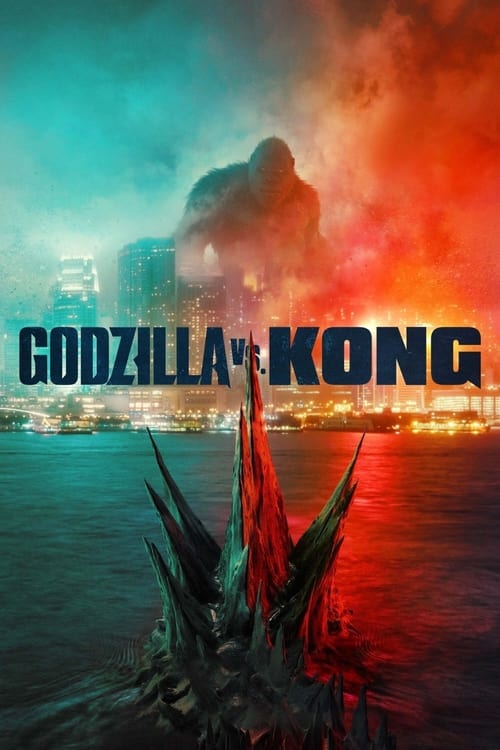
Godzilla vs. Kong
2021 · Directed by Adam Wingard
Woke Score
CriticCritic Score
Audience
Based
Critics rated this 37 points above its woke score. Among Based films, this critic score ranks #246 of 345.
Representation Casting
Score: 65/100
The ensemble includes substantive roles for actors of color, including Brian Tyree Henry, Demián Bichir, and Eiza González. The representation is present but treated as unremarkable rather than intentional.
LGBTQ+ Themes
Score: 0/100
No LGBTQ+ themes, characters, or representation appear in the film. The narrative is entirely heteronormative and makes no acknowledgment of this category.
Feminist Agenda
Score: 25/100
Rebecca Hall leads the scientific contingent and demonstrates agency, though she operates largely within a male-dominated military structure. The character is competent but not particularly subversive of traditional action film gender dynamics.
Racial Consciousness
Score: 15/100
The film features diverse casting but no explicit racial consciousness or commentary. Issues of colonialism regarding Kong and Skull Island are treated as plot mechanics rather than thematic concerns.
Climate Crusade
Score: 20/100
Environmental destruction serves as background motivation, but the film shows no genuine commitment to climate messaging. Hollow Earth excavation and resource exploitation are mentioned but never seriously interrogated.
Eat the Rich
Score: 5/100
No critique of capitalism or corporate power structures. The film presents corporate and military interests as natural background elements without questioning their motives or methods.
Body Positivity
Score: 0/100
The film contains no body positivity messaging or representation of non-normative bodies in human characters. The oversize monsters are not presented as a form of body diversity.
Neurodivergence
Score: 40/100
Kaylee Hottle's deaf character communicates with Kong via sign language, representing neurodivergent inclusion. However, the portrayal remains somewhat underdeveloped and instrumentalized to the plot.
Revisionist History
Score: 10/100
The film treats Skull Island and its history as mythological rather than engaging with colonial or historical revisionism. No meaningful interrogation of imperial or extractive histories occurs.
Lecture Energy
Score: 5/100
The film maintains a refreshingly low preachy register, preferring action to exposition. Characters do not pause to lecture one another about social issues or morality.


Synopsis
In a time when monsters walk the Earth, humanity's fight for its future sets Godzilla and Kong on a collision course that will see the two most powerful forces of nature on the planet collide in a spectacular battle for the ages.
Consciousness Assessment
Godzilla vs. Kong is a film so thoroughly committed to the business of spectacle that it barely remembers it contains human characters at all. The narrative, such as it is, concerns itself with the logistics of getting two oversized primates to hit each other, a mission at which it succeeds with mechanical competence. What cultural awareness the film possesses arrives almost entirely through the casting decisions of its ensemble, a multiethnic collection that includes actors of color in substantial roles without particular fanfare or commentary. The film makes no effort to educate us on its social positioning, which is perhaps the most honest thing about it.
The environmental subtext lurking beneath the monster movie premise is treated with the kind of attention one might give to a footnote in a technical manual. There is a vague notion that Hollow Earth excavation and Titan exploitation might constitute problems, but these concerns are never permitted to interfere with the spectacle. The film's one genuine progressive gesture involves a deaf character portrayed by Kaylee Hottle, though the script seems uncertain whether this represents meaningful inclusion or simply another plot device. A young girl communicates with Kong through sign language, a development that the narrative treats as incidental rather than revolutionary.
The result is a creature feature from a studio that has learned to diversify its roster without necessarily diversifying its themes. It is progressive in its casting but utterly indifferent to the ideological underpinnings that might make such casting intentional rather than merely accidental. For those seeking sophisticated social commentary or pure escapism without ideological consideration, this film satisfies neither constituency completely, which is perhaps the most damning assessment one can offer.
Analysis generated by our Consciousness Algorithm
Critic Reviews
“Godzilla vs. Kong is a crowd-pleasing, smash-'em-up monster flick and a straight-up action picture par excellence. It is a fairy tale and a science-fiction exploration film, a Western, a pro wrestling extravaganza, a conspiracy thriller, a Frankenstein movie, a heartwarming drama about animals and their human pals, and, in spots, a voluptuously wacky spectacle that plays as if the creation sequence in "The Tree of Life" had been subcontracted to the makers of "Yellow Submarine."”
“Of course, everything leads to the massive final battle, the pay-off we've been promised, and Wingard delivers. ”
“Godzilla vs. Kong is a gorgeous, kinetic spectacle that’s so effectively big in its loud colors and ridiculous choreography that any screen outside of a multiplex feels too small for it.”
“Godzilla and Kong’s brawls have the ennui-inducing feel of a child arbitrarily smashing action figures together. ”
Consciousness Markers
The ensemble includes substantive roles for actors of color, including Brian Tyree Henry, Demián Bichir, and Eiza González. The representation is present but treated as unremarkable rather than intentional.
No LGBTQ+ themes, characters, or representation appear in the film. The narrative is entirely heteronormative and makes no acknowledgment of this category.
Rebecca Hall leads the scientific contingent and demonstrates agency, though she operates largely within a male-dominated military structure. The character is competent but not particularly subversive of traditional action film gender dynamics.
The film features diverse casting but no explicit racial consciousness or commentary. Issues of colonialism regarding Kong and Skull Island are treated as plot mechanics rather than thematic concerns.
Environmental destruction serves as background motivation, but the film shows no genuine commitment to climate messaging. Hollow Earth excavation and resource exploitation are mentioned but never seriously interrogated.
No critique of capitalism or corporate power structures. The film presents corporate and military interests as natural background elements without questioning their motives or methods.
The film contains no body positivity messaging or representation of non-normative bodies in human characters. The oversize monsters are not presented as a form of body diversity.
Kaylee Hottle's deaf character communicates with Kong via sign language, representing neurodivergent inclusion. However, the portrayal remains somewhat underdeveloped and instrumentalized to the plot.
The film treats Skull Island and its history as mythological rather than engaging with colonial or historical revisionism. No meaningful interrogation of imperial or extractive histories occurs.
The film maintains a refreshingly low preachy register, preferring action to exposition. Characters do not pause to lecture one another about social issues or morality.