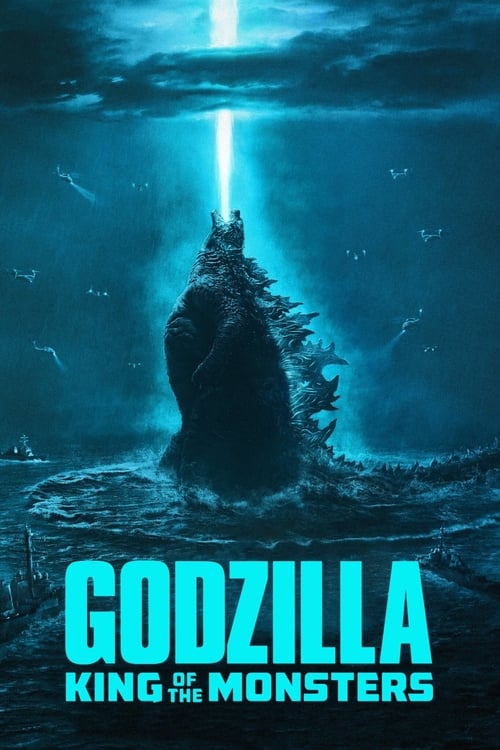
Godzilla: King of the Monsters
2019 · Directed by Michael Dougherty
Woke Score
CriticCritic Score
Audience
Ultra Based
Critics rated this 30 points above its woke score. Among Ultra Based films, this critic score ranks #1192 of 1469.
Representation Casting
Score: 32/100
The cast includes international and diverse actors (Ken Watanabe, Zhang Ziyi, Aisha Hinds), but these are secondary and supporting roles. The white male protagonist and female scientist remain the emotional center.
LGBTQ+ Themes
Score: 0/100
No LGBTQ+ themes, characters, or representation present in the film.
Feminist Agenda
Score: 18/100
Vera Farmiga plays a female scientist, but her agency is limited and she functions primarily as a supporting character to the male-driven plot and action sequences.
Racial Consciousness
Score: 0/100
While the film features actors of various races, there is no thematic engagement with racial consciousness or commentary on racial issues.
Climate Crusade
Score: 35/100
The film engages with environmental themes through Mothra as a nature-aligned force and the concept of human disruption of natural balance, but the messaging is muddled and ultimately subordinate to action-film imperatives.
Eat the Rich
Score: 0/100
No anti-capitalist themes present. Government agencies and military organizations are portrayed as protagonists attempting to maintain order.
Body Positivity
Score: 0/100
No body positivity themes or commentary present in this action-focused monster film.
Neurodivergence
Score: 0/100
No representation of or engagement with neurodivergence in the film.
Revisionist History
Score: 0/100
The film does not engage in revisionist reinterpretation of historical events or narratives.
Lecture Energy
Score: 10/100
Minimal expository dialogue about the history of monsters and the Monarch organization, but this is functional plot exposition rather than preachy social commentary.


Synopsis
Follows the heroic efforts of the crypto-zoological agency Monarch as its members face off against a battery of god-sized monsters, including the mighty Godzilla, who collides with Mothra, Rodan, and his ultimate nemesis, the three-headed King Ghidorah. When these ancient super-species, thought to be mere myths, rise again, they all vie for supremacy, leaving humanity's very existence hanging in the balance.
Consciousness Assessment
Godzilla: King of the Monsters presents itself as a straightforward spectacle of titanic creatures destroying each other across carefully framed landscapes. The film casts an international ensemble, which reflects the commercial realities of modern tentpole filmmaking rather than any particular commitment to progressive representation. Vera Farmiga and Millie Bobby Brown anchor the human elements, though their characters exist primarily to react to events rather than drive them forward. The narrative focuses on Kyle Chandler's ex-military protagonist, a choice that telegraphs the film's fundamental conservatism about institutional authority.
The environmental messaging, such as it exists, remains vague and contradictory. The monsters represent nature's power, yet the film treats them as threats to be managed by government agencies and military intervention. Mothra receives some reverence as a nature-aligned force, but this spiritual element coexists uneasily with the action-film imperative to destroy and conquer. The production itself, a collaboration between Legendary Pictures and TOHO, prioritizes spectacle over social commentary. We are meant to watch buildings collapse and feel the scale of destruction, not contemplate our relationship with the natural world.
The film's cultural awareness extends primarily to its international cast and setting, both practical choices for a film designed for global distribution. There is no evidence of progressive sensibilities beyond surface-level diversity casting. This is a movie about giant monsters fighting, and it commits fully to that premise without pretending otherwise. In this respect, it demonstrates a clarity of purpose that one might find refreshing compared to films that layer social consciousness over narratives fundamentally incompatible with it.
Analysis generated by our Consciousness Algorithm
Critic Reviews
“Yes, Godzilla: King of the Monsters is ultimately a Saturday matinee writ large, but that’s nothing to sneeze fire at; countless big, expensive action movies fail at making their way into a viewer’s pleasure center, but this one knows exactly how to be, in the truest sense of the word, sensational.”
“A fun exercise in giant monster madness that indulges in all the kaiju fights fans and even casual viewers could hope for. It looks amazing while also giving its human characters a chance to stay interesting amid all the battling beasties by providing them with some really cool tech -- and some great one-liners among the supporting players. Unfortunately, the film’s plot is needlessly confusing, and not all that smart at times, and the lead characters could’ve used a little more fleshing out.”
“The script’s quippy streak could’ve used better jokes. But this is one franchise that doesn’t feel fished out or exhausted or exhausting.The monsters, Toho studio classics redesigned but faithfully so, are pretty swell and monumentally destructive.”
“The ugly visual effects are outdone only by the sound design, which is relentlessly loud and thunderingly tedious. Verbal exchanges between the humans are devoid of wit and barely functional in communicating the story.”
Consciousness Markers
The cast includes international and diverse actors (Ken Watanabe, Zhang Ziyi, Aisha Hinds), but these are secondary and supporting roles. The white male protagonist and female scientist remain the emotional center.
No LGBTQ+ themes, characters, or representation present in the film.
Vera Farmiga plays a female scientist, but her agency is limited and she functions primarily as a supporting character to the male-driven plot and action sequences.
While the film features actors of various races, there is no thematic engagement with racial consciousness or commentary on racial issues.
The film engages with environmental themes through Mothra as a nature-aligned force and the concept of human disruption of natural balance, but the messaging is muddled and ultimately subordinate to action-film imperatives.
No anti-capitalist themes present. Government agencies and military organizations are portrayed as protagonists attempting to maintain order.
No body positivity themes or commentary present in this action-focused monster film.
No representation of or engagement with neurodivergence in the film.
The film does not engage in revisionist reinterpretation of historical events or narratives.
Minimal expository dialogue about the history of monsters and the Monarch organization, but this is functional plot exposition rather than preachy social commentary.