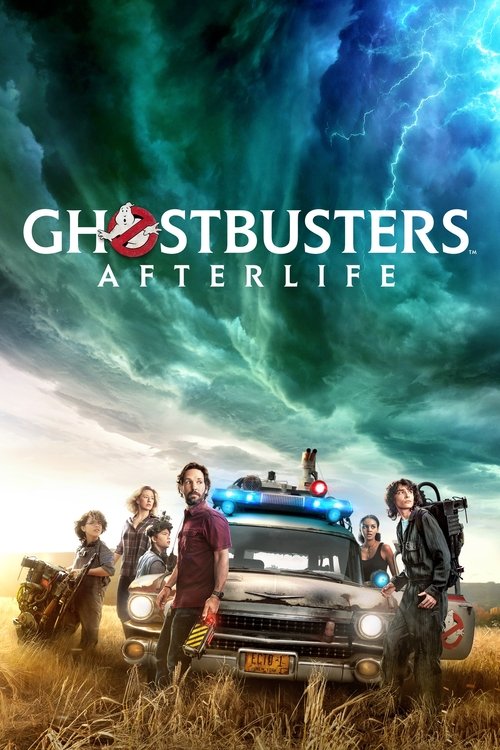
Ghostbusters: Afterlife
2021 · Directed by Jason Reitman
Woke Score
CriticCritic Score
Audience
Ultra Based
Critics rated this 30 points above its woke score. Among Ultra Based films, this critic score ranks #1257 of 1469.
Representation Casting
Score: 45/100
The film features a female lead in Carrie Coon's single mother character and includes a diverse ensemble cast. However, representation appears incidental to the narrative rather than thematic.
LGBTQ+ Themes
Score: 0/100
No LGBTQ+ themes, characters, or subtext are evident in the film. The narrative contains no meaningful engagement with LGBTQ+ perspectives or representation.
Feminist Agenda
Score: 20/100
While the protagonist is female and exercises agency, the film makes no ideological statements about gender or feminism. The single mother role is presented as circumstance rather than commentary.
Racial Consciousness
Score: 15/100
The cast includes people of color in supporting roles, but the film contains no thematic exploration of race or racial dynamics. Representation exists without consciousness.
Climate Crusade
Score: 0/100
No environmental themes, climate messaging, or ecological consciousness appear in the film. The narrative contains no engagement with climate concerns.
Eat the Rich
Score: 0/100
The film contains no critique of capitalism, economic systems, or class dynamics. The narrative presents no anti-capitalist messaging or consciousness.
Body Positivity
Score: 0/100
No body positivity themes or messages about body diversity appear in the film. The narrative contains no engagement with this marker.
Neurodivergence
Score: 0/100
No neurodivergent representation, themes, or character traits are evident in the film. The narrative contains no engagement with neurodiversity.
Revisionist History
Score: 0/100
The film does not reinterpret or challenge historical narratives. It is primarily concerned with franchise continuity rather than historical revision.
Lecture Energy
Score: 5/100
The film maintains a light comedic tone throughout with minimal preachy messaging. There is minimal 'lecture energy' beyond occasional exposition about the Ghostbusters mythology.


Synopsis
When single mom Callie and her two kids Trevor and Phoebe arrive in a small Oklahoma town, they begin to discover their connection to the original Ghostbusters and the secret legacy their grandfather left behind.
Consciousness Assessment
Ghostbusters: Afterlife presents itself as a family-oriented legacy sequel that happens to center a single mother and her children in the narrative. The film does not appear to be making calculated statements about contemporary social consciousness so much as telling a story where these characters happen to exist. Carrie Coon's presence as the lead provides a degree of representation, but the film treats her primarily as a plot vehicle for introducing the next generation to the Ghostbusters mythology rather than exploring anything substantive about her circumstances or perspective.
The film's cultural posture is fundamentally conservative in the broadest sense. It is deeply invested in honoring the original 1984 film, bringing back legacy cast members, and passing the torch to younger protagonists while maintaining the franchise's comedic tone. There is no interrogation of capitalism, no engagement with contemporary environmental concerns, no exploration of identity beyond surface-level casting choices, and no attempt to destabilize existing power structures or challenge the viewer's assumptions about anything whatsoever.
What emerges is a competent but ideologically inert entertainment product. The film's opening weekend dominance at the box office suggests it succeeded primarily through nostalgia and franchise recognition rather than any particular cultural relevance. For those tracking the evolution of social consciousness in mainstream cinema, this represents the baseline: competent representation without commitment, a film that includes women and minorities without suggesting anything might need to change about how we see the world.
Analysis generated by our Consciousness Algorithm
Critic Reviews
“Director Jason Reitman does his father and fans proud with a funny, sweet, and spooky family movie that proudly takes on the legacy of Ghostbusters, while also introducing something exciting and new.”
“[Reitman] finds the perfect tone here . . . He’s also skilled at getting genuine performance out of young actors, as he proved in “Juno,” and balancing humor with stakes — essential for comedy-horror like “Ghostbusters.” The jokes are very funny and Wolfhard and Grace make life-threatening peril look like a ball.”
“It’s always fun, inventive and full of charm. If you have any concerns that Jason Reitman’s film might sully the legacy of his dad’s greatest creation, there’s nothing to be afraid of.”
“Rarely has a sequel been this listless, this creatively bankrupt, or this unaware of the charm and appeal of its predecessors. Rarely has a film been this craven in appeasing an imaginary audience by mimicking what came before it and refusing to challenge itself in terms of dreaming up a new world, crafting new characters, or fashioning new stakes.”
Consciousness Markers
The film features a female lead in Carrie Coon's single mother character and includes a diverse ensemble cast. However, representation appears incidental to the narrative rather than thematic.
No LGBTQ+ themes, characters, or subtext are evident in the film. The narrative contains no meaningful engagement with LGBTQ+ perspectives or representation.
While the protagonist is female and exercises agency, the film makes no ideological statements about gender or feminism. The single mother role is presented as circumstance rather than commentary.
The cast includes people of color in supporting roles, but the film contains no thematic exploration of race or racial dynamics. Representation exists without consciousness.
No environmental themes, climate messaging, or ecological consciousness appear in the film. The narrative contains no engagement with climate concerns.
The film contains no critique of capitalism, economic systems, or class dynamics. The narrative presents no anti-capitalist messaging or consciousness.
No body positivity themes or messages about body diversity appear in the film. The narrative contains no engagement with this marker.
No neurodivergent representation, themes, or character traits are evident in the film. The narrative contains no engagement with neurodiversity.
The film does not reinterpret or challenge historical narratives. It is primarily concerned with franchise continuity rather than historical revision.
The film maintains a light comedic tone throughout with minimal preachy messaging. There is minimal 'lecture energy' beyond occasional exposition about the Ghostbusters mythology.