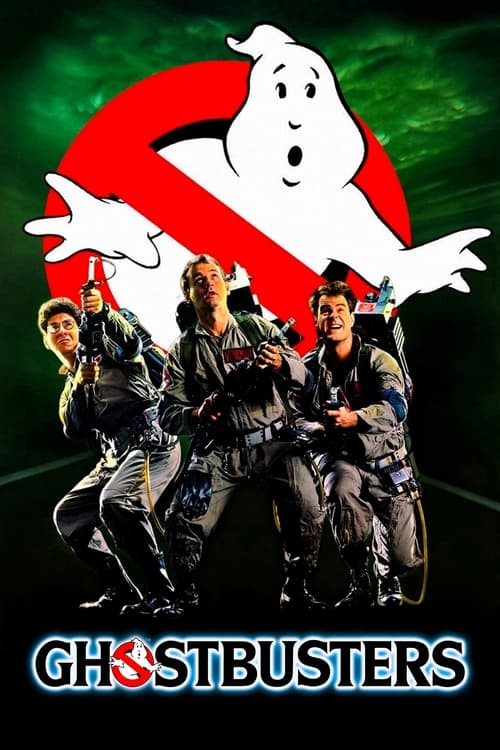
Ghostbusters
1984 · Directed by Ivan Reitman
Woke Score
CriticCritic Score
Audience
Ultra Based
Critics rated this 63 points above its woke score. Among Ultra Based films, this critic score ranks #604 of 1469.
Representation Casting
Score: 25/100
The cast includes Sigourney Weaver and Ernie Hudson in notable roles, reflecting modest 1980s diversity standards. However, these casting choices are not presented as part of any deliberate representation strategy or commentary.
LGBTQ+ Themes
Score: 0/100
There are no LGBTQ+ themes, representation, or subtext in the film. The narrative is entirely heteronormative.
Feminist Agenda
Score: 15/100
Sigourney Weaver's character Dana is intelligent and self-directed, but her role remains secondary to the male ensemble. The film makes no explicit feminist statement.
Racial Consciousness
Score: 10/100
Ernie Hudson's casting as the fourth Ghostbuster was progressive for 1984, but the film contains no racial consciousness or commentary. His character is integrated without acknowledgment.
Climate Crusade
Score: 0/100
The supernatural threat posed by Gozer has no connection to environmental or climate concerns. The narrative is entirely divorced from ecological themes.
Eat the Rich
Score: 0/100
The Ghostbusters operate as a profit-driven small business. The film contains no critique of capitalism or wealth accumulation.
Body Positivity
Score: 0/100
There is no body diversity representation or body positivity messaging in the film. The cast reflects conventional 1980s Hollywood aesthetics.
Neurodivergence
Score: 0/100
No characters are depicted as neurodivergent, and the film contains no exploration of disability or neurodivergent representation.
Revisionist History
Score: 0/100
The film is a supernatural comedy with no historical narrative or revisionist historical claims.
Lecture Energy
Score: 5/100
The film is comedy-driven and character-focused, with minimal preachy impulse. There is no sense of the audience being educated on social matters.


Synopsis
After losing their university jobs, three parapsychologists start a ghost-catching business in New York City and uncover a supernatural threat that could destroy the world.
Consciousness Assessment
Ghostbusters remains a masterclass in comedic filmmaking, a 1984 artifact that concerns itself primarily with spectral removal and one-liners rather than the cultural anxieties of subsequent decades. The film features Sigourney Weaver in a role that, while subordinate to the male ensemble, at least permits her agency and intelligence. Ernie Hudson rounds out the team as the fourth Ghostbuster, a casting choice that reflects the modest diversity standards of the Reagan era without attempting any particular commentary on the matter.
The picture is innocent of contemporary progressive sensibilities in nearly every register. There are no climate warnings embedded in the supernatural narrative, no anti-capitalist critique of the entrepreneurial ghost-catching enterprise, no exploration of neurodivergence or bodily variance, and certainly no queer subtext worth excavating. The film exists as pure entertainment, unconcerned with representation casting as a philosophical project or with the preachy impulses that characterize so much modern cinema.
What emerges is a period piece that happened to include a woman and a Black man in supporting positions, which by the standards of 1984 registered as relatively progressive but which today reads as simply unremarkable. The absence of contemporary cultural markers does not diminish the film's comedic achievement, but it does position Ghostbusters firmly outside the purview of modern progressive cultural consciousness. This is entertainment of the pre-ideological sort, which some may regard as either a mercy or a missed opportunity depending on their disposition.
Analysis generated by our Consciousness Algorithm
Critic Reviews
“Ghostbusters is one of those rare movies where the original, fragile comic vision has survived a multimillion-dollar production.”
“Ghostbusters is a hoot. It's Murray's picture, and in a triumph of mind over matter, he blows away the film's boring special effects with his one-liners. Spotting a lusty, totally transformed, fire-breathing Slgourney Weaver, whose body has been overtaken by a spirit, Murray walks past her saying, "That's a new look for you, isn't it?" Thank you, Bill. And don't get outta here, you knucklehead. We like you in this kind of movie.”
“Whoever thought of having evil's final manifestation take the form of a 100-ft. marshmallow deserves the rational mind's eternal gratitude. But praise is due to everyone connected with Ghostbusters for thinking on a grandly comic scale and delivering the goofy goods, neatly timed and perfectly packaged.”
“However good an idea it may have been to unleash Mr. Murray in an ''Exorcist''-like setting, this film hasn't gotten very far past the idea stage. Its jokes, characters and story line are as wispy as the ghosts themselves, and a good deal less substantial.”
Consciousness Markers
The cast includes Sigourney Weaver and Ernie Hudson in notable roles, reflecting modest 1980s diversity standards. However, these casting choices are not presented as part of any deliberate representation strategy or commentary.
There are no LGBTQ+ themes, representation, or subtext in the film. The narrative is entirely heteronormative.
Sigourney Weaver's character Dana is intelligent and self-directed, but her role remains secondary to the male ensemble. The film makes no explicit feminist statement.
Ernie Hudson's casting as the fourth Ghostbuster was progressive for 1984, but the film contains no racial consciousness or commentary. His character is integrated without acknowledgment.
The supernatural threat posed by Gozer has no connection to environmental or climate concerns. The narrative is entirely divorced from ecological themes.
The Ghostbusters operate as a profit-driven small business. The film contains no critique of capitalism or wealth accumulation.
There is no body diversity representation or body positivity messaging in the film. The cast reflects conventional 1980s Hollywood aesthetics.
No characters are depicted as neurodivergent, and the film contains no exploration of disability or neurodivergent representation.
The film is a supernatural comedy with no historical narrative or revisionist historical claims.
The film is comedy-driven and character-focused, with minimal preachy impulse. There is no sense of the audience being educated on social matters.