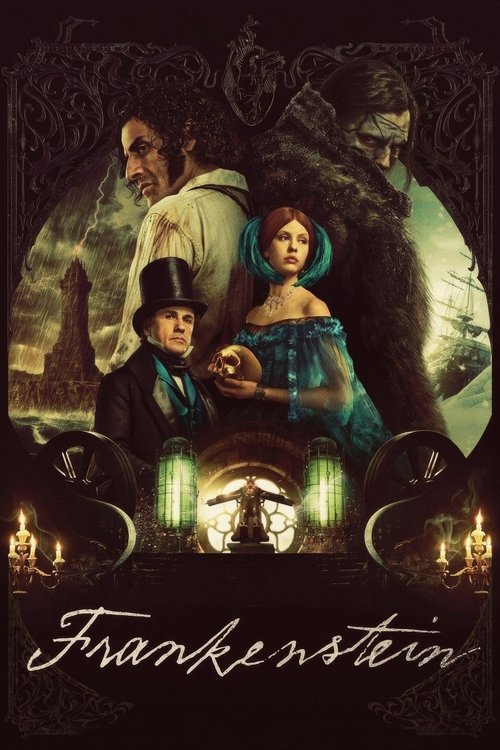
Frankenstein
2025 · Directed by Guillermo del Toro
Woke Score
Critic Score
Audience
Ultra Based
Critics rated this 77 points above its woke score. Among Ultra Based films, this critic score ranks #207 of 833.
Representation Casting
Score: 20/100
Cast is predominantly white and male-dominated, with limited diversity in principal roles. No evidence of deliberate effort toward contemporary casting practices that prioritize representation across race, ethnicity, or gender.
LGBTQ+ Themes
Score: 0/100
No LGBTQ+ themes, representation, or subtext evident in the film, cast, or critical reception. This is a traditional gothic adaptation with no apparent queer elements.
Feminist Agenda
Score: 15/100
While adapted from a novel by a woman, the film centers Victor and the Creature (both male). Mia Goth's role exists but is not foregrounded. Modern feminist themes do not appear to be a focus of the adaptation.
Racial Consciousness
Score: 5/100
No evidence of racial consciousness, anti-racism themes, or racial representation as a concern. Cast and critical discussion show no engagement with race as a thematic element.
Climate Crusade
Score: 0/100
No climate themes or environmental messaging present. While the film addresses scientific ethics broadly, climate activism is entirely absent.
Eat the Rich
Score: 10/100
Victor's egotism and scientific ambition touch on power and human failings, but this reflects timeless philosophical concerns rather than modern anti-capitalist critique or class consciousness.
Body Positivity
Score: 25/100
The Creature's physical difference is portrayed with sympathy and humanity, rejecting the coding of visual difference as inherently monstrous. However, this appears to reflect del Toro's broader artistic interests in outsider figures rather than explicit body positivity activism.
Neurodivergence
Score: 0/100
No evidence of neurodivergence representation, coding, or themes in the available information about the film.
Revisionist History
Score: 0/100
This is a faithful adaptation of a classical novel set in its original time period. No revisionist reframing of history for modern progressive purposes is evident.
Lecture Energy
Score: 15/100
The film explores ethical questions about creation and human nature, but reviews emphasize visual and emotional storytelling over didactic messaging. Del Toro prioritizes artistic expression rather than explicit social commentary.


Synopsis
Dr. Victor Frankenstein, a brilliant but egotistical scientist, brings a creature to life in a monstrous experiment that ultimately leads to the undoing of both the creator and his tragic creation.
Consciousness Assessment
Guillermo del Toro's "Frankenstein" arrives as a reverential adaptation of Mary Shelley's 1818 novel, rendered in the director's signature gothic visual language. The film concerns itself with timeless questions: the ethics of creation, the nature of humanity, and the cruelty inherent in judgment based on appearance. Jacob Elordi's Creature is portrayed as fundamentally sympathetic, a being of innocence and longing destroyed by a world that cannot see past his physical form. This represents a humanist sensibility, one that has always existed in serious literature, rather than a specifically modern progressive intervention.
The casting remains predominantly white and male-centered, with no apparent effort toward the contemporary diversification of historical narratives. While the film engages with questions of physical difference and visual otherness, framing them as sites of injustice rather than inherent monstrosity, this seems to flow from del Toro's longstanding artistic concerns with outsider figures and the violence of normativity. His cinema has always been preoccupied with beauty in the grotesque and the humanity of the rejected. The film does not appear to deploy these themes as a vehicle for modern progressive cultural messaging.
What emerges is less a statement about our contemporary moment and more a meditation on eternal human failings: vanity, the hunger for dominion, the inability to recognize kinship across difference. Del Toro treats this material with the gravity it deserves, which is considerable. Yet the film remains classical in its approach, concerned with artistic and emotional truth rather than the specific cultural markers of 2020s progressive sensibility. It is a masterwork of its genre, but not a particularly progressive one.
Analysis generated by our Consciousness Algorithm
Critic Reviews
“One of the most deservedly famous and chilling horror films of all time.”
“Beautiful photography, a heartbreaking story, and iconic moments from beginning to end. Absolutely unmissable.”
“The most influential horror film ever made, this stark and stylish work has a weird fairytale beauty. Boris Karloff gives one of the most indelible performances in American cinema as the monster, misjudged by the society that created him, at once terrifying and pathetic, a moving study of alienation and primitive anger.”
“Nothing can detract from the power of the most influential monster movie ever made.”
“Frankenstein works as a fast-moving thriller and, even now, a stylish, frighteningly atmospheric horror film, but also as a sad outcast parable. Frankenstein's creature may be a monstrosity, but he's also instantly sympathetic to anyone who's ever felt like a misfit.”
“Director James Whale's masterpiece is the definitive monster flick, one of the scariest films of all time.”
Consciousness Markers
Cast is predominantly white and male-dominated, with limited diversity in principal roles. No evidence of deliberate effort toward contemporary casting practices that prioritize representation across race, ethnicity, or gender.
No LGBTQ+ themes, representation, or subtext evident in the film, cast, or critical reception. This is a traditional gothic adaptation with no apparent queer elements.
While adapted from a novel by a woman, the film centers Victor and the Creature (both male). Mia Goth's role exists but is not foregrounded. Modern feminist themes do not appear to be a focus of the adaptation.
No evidence of racial consciousness, anti-racism themes, or racial representation as a concern. Cast and critical discussion show no engagement with race as a thematic element.
No climate themes or environmental messaging present. While the film addresses scientific ethics broadly, climate activism is entirely absent.
Victor's egotism and scientific ambition touch on power and human failings, but this reflects timeless philosophical concerns rather than modern anti-capitalist critique or class consciousness.
The Creature's physical difference is portrayed with sympathy and humanity, rejecting the coding of visual difference as inherently monstrous. However, this appears to reflect del Toro's broader artistic interests in outsider figures rather than explicit body positivity activism.
No evidence of neurodivergence representation, coding, or themes in the available information about the film.
This is a faithful adaptation of a classical novel set in its original time period. No revisionist reframing of history for modern progressive purposes is evident.
The film explores ethical questions about creation and human nature, but reviews emphasize visual and emotional storytelling over didactic messaging. Del Toro prioritizes artistic expression rather than explicit social commentary.