Finding Nemo
2003 · Directed by Andrew Stanton
Woke Score
CriticCritic Score
Audience
Ultra Based
Critics rated this 82 points above its woke score. Among Ultra Based films, this critic score ranks #134 of 1469.
Representation Casting
Score: 15/100
The cast is diverse in species and voice actors, but this reflects marine biology rather than conscious representation efforts. Diversity exists naturally rather than as a deliberate statement.
LGBTQ+ Themes
Score: 0/100
There are no LGBTQ+ themes or representation in the film. All relationships are presented heteronormatively or platonically without comment.
Feminist Agenda
Score: 10/100
The film features female characters (Dory, Coral) but does not engage with feminist themes or commentary. Coral's death in the opening functions as tragic motivation for the male protagonist rather than exploring gender dynamics.
Racial Consciousness
Score: 5/100
The film has no racial themes whatsoever, as its characters are marine animals. The voice cast includes performers of different backgrounds, but this is incidental rather than intentional representation politics.
Climate Crusade
Score: 8/100
While the film is set in the ocean, it does not engage with climate change, pollution, or environmental activism. The Great Barrier Reef setting is aesthetic rather than a platform for environmental consciousness-raising.
Eat the Rich
Score: 0/100
The film contains no critique of capitalism or wealth systems. A dentist owns an aquarium, but this is presented as an incidental plot device rather than social commentary.
Body Positivity
Score: 5/100
Characters vary in size and appearance, but the film does not explicitly celebrate or discuss body diversity. Physical differences are simply part of the underwater world.
Neurodivergence
Score: 35/100
Dory's severe memory loss and Marlin's anxiety disorder are central to character development, but the film predates contemporary neurodiversity discourse and treats these conditions without explicit therapeutic framing.
Revisionist History
Score: 0/100
There is no historical narrative or revisionist engagement with history. The film is a fantasy adventure set in a timeless underwater world.
Lecture Energy
Score: 5/100
The film is purely narrative-driven entertainment with no preachy impulse. It does not attempt to educate the audience about social issues or historical wrongs.


Synopsis
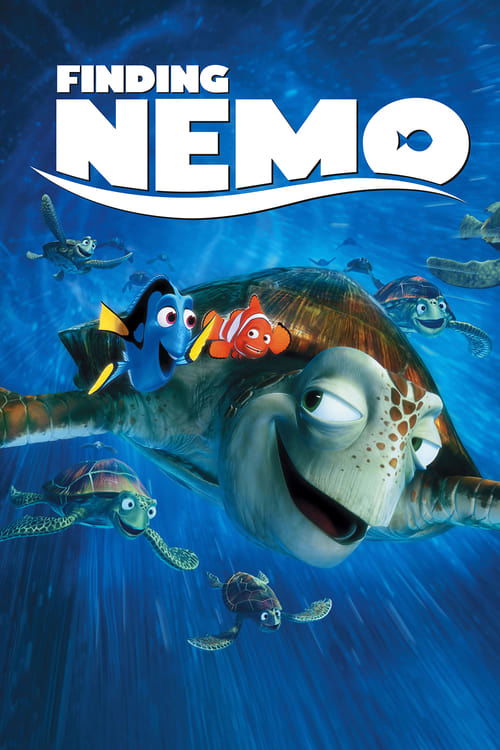
Nemo, an adventurous young clownfish, is unexpectedly taken from his Great Barrier Reef home to a dentist's office aquarium. It's up to his worrisome father Marlin and a friendly but forgetful fish Dory to bring Nemo home -- meeting vegetarian sharks, surfer dude turtles, hypnotic jellyfish, hungry seagulls, and more along the way.
Consciousness Assessment
Finding Nemo occupies a curious position in the cultural timeline. Arriving in 2003, it predates the constellation of progressive sensibilities that would come to define contemporary discourse by a full decade. The film presents a colorful, diverse underwater world populated by characters of various species, sizes, and temperaments, but this diversity emerges organically from marine biology rather than as a conscious statement of representation. A clownfish, a blue tang fish, and a sea turtle are simply the characters the story requires. There is no performative element to their existence.
The narrative does contain elements that might register with modern sensibilities upon close inspection. Marlin's anxiety disorder and overprotectiveness could be read as a portrait of neurodivergence, while Dory's severe short-term memory loss functions as the emotional and narrative center of the journey. However, these characterizations predate the contemporary therapeutic vocabulary by which we now discuss such conditions. They are personality traits that drive the plot rather than explicit explorations of disability or mental health. The film treats them with warmth and humor, but not with the self-conscious awareness that contemporary audiences might expect.
Where Finding Nemo truly fails to register on modern scales is in its complete absence of interrogation. There is no lecture energy present. The film has no interest in teaching us anything about social systems, power structures, or historical injustices. It is simply an adventure story about a father and his companions searching for a lost son. This is not a criticism of the film, which remains a technical and narrative achievement. It is merely an observation that the film exists in a pre-woke aesthetic universe entirely. The ocean it depicts has no politics whatsoever.
Analysis generated by our Consciousness Algorithm
Critic Reviews
“You could trawl the seven seas and not net a funnier, more beautiful, and more original work of art and comedy than Finding Nemo.”
“This time the dad is the hero of the story, although in most animation it is almost always the mother. ”
“Finding Nemo and its Pixar predecessors tap into the shared gene among the kids and adults that delights in imagination-engaging, eye-tickling and wit-filled storytelling. You connect to these sea creatures as you rarely do with humans in big-screen adventures. The result: a true sunken treasure. ”
“After four Pixar features under their belts, it is painfully easy to see the clichés emerging.”
Consciousness Markers
The cast is diverse in species and voice actors, but this reflects marine biology rather than conscious representation efforts. Diversity exists naturally rather than as a deliberate statement.
There are no LGBTQ+ themes or representation in the film. All relationships are presented heteronormatively or platonically without comment.
The film features female characters (Dory, Coral) but does not engage with feminist themes or commentary. Coral's death in the opening functions as tragic motivation for the male protagonist rather than exploring gender dynamics.
The film has no racial themes whatsoever, as its characters are marine animals. The voice cast includes performers of different backgrounds, but this is incidental rather than intentional representation politics.
While the film is set in the ocean, it does not engage with climate change, pollution, or environmental activism. The Great Barrier Reef setting is aesthetic rather than a platform for environmental consciousness-raising.
The film contains no critique of capitalism or wealth systems. A dentist owns an aquarium, but this is presented as an incidental plot device rather than social commentary.
Characters vary in size and appearance, but the film does not explicitly celebrate or discuss body diversity. Physical differences are simply part of the underwater world.
Dory's severe memory loss and Marlin's anxiety disorder are central to character development, but the film predates contemporary neurodiversity discourse and treats these conditions without explicit therapeutic framing.
There is no historical narrative or revisionist engagement with history. The film is a fantasy adventure set in a timeless underwater world.
The film is purely narrative-driven entertainment with no preachy impulse. It does not attempt to educate the audience about social issues or historical wrongs.