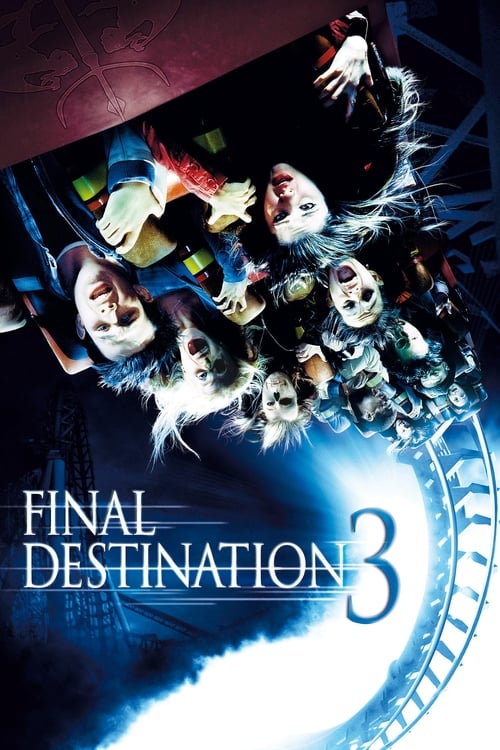
Final Destination 3
2006 · Directed by James Wong
Woke Score
CriticCritic Score
Audience
Ultra Based
Critics rated this 40 points above its woke score. Among Ultra Based films, this critic score ranks #1297 of 1469.
Representation Casting
Score: 5/100
The film features a diverse ensemble cast and a female protagonist, but these elements are incidental to the plot rather than thematic. No conscious engagement with representation is evident.
LGBTQ+ Themes
Score: 0/100
No LGBTQ+ themes, characters, or subtext are present in the film.
Feminist Agenda
Score: 0/100
While the protagonist is female, the film contains no feminist commentary or exploration of gender dynamics.
Racial Consciousness
Score: 0/100
The cast includes actors of color, but the film shows no awareness of or engagement with racial themes or identity.
Climate Crusade
Score: 0/100
Climate change or environmental themes are entirely absent from the film.
Eat the Rich
Score: 0/100
No critique of capitalism, wealth inequality, or economic systems is present.
Body Positivity
Score: 0/100
The film contains no body positivity messaging or commentary on body image.
Neurodivergence
Score: 0/100
No neurodivergent characters or themes are represented in the film.
Revisionist History
Score: 0/100
The film contains no historical revisionism or alternative perspectives on historical events.
Lecture Energy
Score: 0/100
The film makes no attempt to educate or preach to its audience about social issues.


Synopsis
High school senior Wendy's premonition of a deadly rollercoaster ride saves her life and a lucky few, but not from death itself — which seeks out those who escaped their fate.
Consciousness Assessment
Final Destination 3 is a 2006 supernatural horror sequel that operates entirely within the mechanics of genre convention, treating plot as a delivery mechanism for elaborate death sequences rather than as a vehicle for thematic exploration. The film features a female protagonist in Wendy Christensen and a racially diverse ensemble cast, but these casting choices reflect the demographic reality of early-2000s teen cinema rather than any conscious engagement with representation. The narrative concerns itself solely with death as an autonomous force, indifferent to the identities of its victims, which means the film has no investment in interrogating social structures, power dynamics, or the lived experiences of its characters beyond their utility as bodies in peril.
The absence of social consciousness is complete and unremarkable. There is no attention to gender dynamics beyond the coincidence of having a female lead, no exploration of racial identity, no climate messaging, no economic critique, no body commentary, no neurodivergent representation, and certainly no historical revisionism or preachy impulse. The film is what it appears to be: a mid-budget horror sequel designed to function as entertainment for its target demographic. Its very lack of cultural awareness is precisely what one would expect from mainstream commercial cinema of its era.
This scoring reflects the film's genuine indifference to the cultural preoccupations that define contemporary progressive sensibilities. Final Destination 3 predates the crystallization of these concerns in mainstream media by nearly a decade, and it shows no signs of having been retrofitted with contemporary consciousness. It remains a product of its moment, which is to say it remains unconcerned with the markers by which we now measure cultural awareness.
Analysis generated by our Consciousness Algorithm
Critic Reviews
“It makes it clearer than ever before that these films are comedy. Granted, the sick kind of comedy that involves laughing at stupid people being ripped in half, but we know there are plenty of you out there.”
“Week in and week out, horror movies cheat us, so it's wonderfully cathartic to watch a bunch of kids cheat death in what turns out to be the best installment yet in the "Final Destination" franchise.”
“With each new outing, the Final Destination movies are getting better.”
“There's nothing fresh or off-beat in Final Destination 3, no talent that is struggling to get out. The only thing struggling to get out was me from the theater.”
Consciousness Markers
The film features a diverse ensemble cast and a female protagonist, but these elements are incidental to the plot rather than thematic. No conscious engagement with representation is evident.
No LGBTQ+ themes, characters, or subtext are present in the film.
While the protagonist is female, the film contains no feminist commentary or exploration of gender dynamics.
The cast includes actors of color, but the film shows no awareness of or engagement with racial themes or identity.
Climate change or environmental themes are entirely absent from the film.
No critique of capitalism, wealth inequality, or economic systems is present.
The film contains no body positivity messaging or commentary on body image.
No neurodivergent characters or themes are represented in the film.
The film contains no historical revisionism or alternative perspectives on historical events.
The film makes no attempt to educate or preach to its audience about social issues.