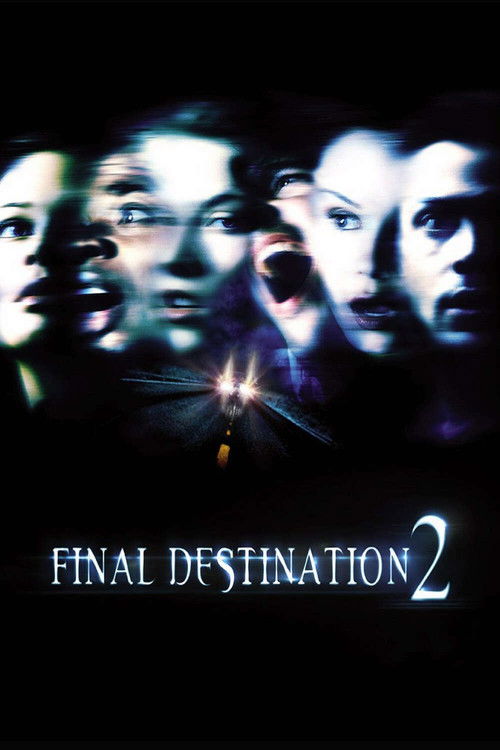
Final Destination 2
2003 · Directed by David R. Ellis
Woke Score
CriticCritic Score
Audience
Ultra Based
Critics rated this 36 points above its woke score. Among Ultra Based films, this critic score ranks #1374 of 1469.
Representation Casting
Score: 5/100
The cast includes Black actors and Latinx performers in supporting roles, but these are incidental to the story rather than intentional diversity choices. The film makes no thematic point about representation.
LGBTQ+ Themes
Score: 0/100
No LGBTQ+ themes, characters, or subtext are present in the film.
Feminist Agenda
Score: 0/100
The film features a female protagonist, but this is standard for the horror genre and carries no explicit feminist messaging or interrogation of gender dynamics.
Racial Consciousness
Score: 0/100
The film demonstrates no awareness of or commentary on racial issues, systemic racism, or racial identity.
Climate Crusade
Score: 0/100
No climate-related themes or environmental consciousness is evident in this death-mechanics horror film.
Eat the Rich
Score: 0/100
The film contains no critique of capitalism, wealth inequality, or corporate power structures.
Body Positivity
Score: 0/100
No body positivity themes or commentary about physical appearance and body standards appear in the narrative.
Neurodivergence
Score: 0/100
No neurodivergent characters or themes related to neurodiversity are present in the film.
Revisionist History
Score: 0/100
Being a contemporary horror film, Final Destination 2 does not engage with historical narratives or attempt historical revisionism.
Lecture Energy
Score: 0/100
The film contains no monologues, exposition, or narrative moments designed to educate the audience about social issues or progressive values.


Synopsis
When Kimberly has a violent premonition of a highway pileup she blocks the freeway, keeping a few others meant to die, safe...Or are they. The survivors mysteriously start dying and it's up to Kimberly to stop it before she's next.
Consciousness Assessment
Final Destination 2 is a straightforward horror-thriller sequel from 2003 that concerns itself exclusively with the mechanics of supernatural death. The film follows a woman who has a premonition of a highway accident and prevents it, only to discover that Death itself has taken offense at this disruption of its schedule. The plot unfolds as a series of elaborately staged accidents, each more baroque than the last. The movie exists in a moral and political vacuum, indifferent to questions of social consciousness or cultural awareness.
The cast presents a naturally diverse ensemble without comment or self-congratulation. Ali Larter carries the lead role as Kimberly Corman, while supporting players include Justina Machado and Terrence 'T.C.' Carson alongside their white counterparts. None of these casting choices serve any thematic purpose related to identity politics or representation. They are simply actors in a horror film. The narrative contains no examination of systemic issues, no interrogation of power structures, and no lectures about the moral failings of capitalism or society. Death, in this universe, is a force of nature indifferent to social position.
This is not reactionary filmmaking, merely apolitical filmmaking, which from the perspective of cultural analysis is far more interesting in its absence. The film was released in early 2003 and represents the horror-thriller genre at its most mechanics-focused and least interested in commentary. It belongs to a franchise defined by creative kills rather than ideas. No marker of modern progressive sensibility appears within its framework.
Analysis generated by our Consciousness Algorithm
Critic Reviews
“The horror sequel is less philosophical than the original, but it's just as intelligent. ”
“This risible thriller is merely a sadistic series of misread premonitions and vile murders. ”
Consciousness Markers
The cast includes Black actors and Latinx performers in supporting roles, but these are incidental to the story rather than intentional diversity choices. The film makes no thematic point about representation.
No LGBTQ+ themes, characters, or subtext are present in the film.
The film features a female protagonist, but this is standard for the horror genre and carries no explicit feminist messaging or interrogation of gender dynamics.
The film demonstrates no awareness of or commentary on racial issues, systemic racism, or racial identity.
No climate-related themes or environmental consciousness is evident in this death-mechanics horror film.
The film contains no critique of capitalism, wealth inequality, or corporate power structures.
No body positivity themes or commentary about physical appearance and body standards appear in the narrative.
No neurodivergent characters or themes related to neurodiversity are present in the film.
Being a contemporary horror film, Final Destination 2 does not engage with historical narratives or attempt historical revisionism.
The film contains no monologues, exposition, or narrative moments designed to educate the audience about social issues or progressive values.