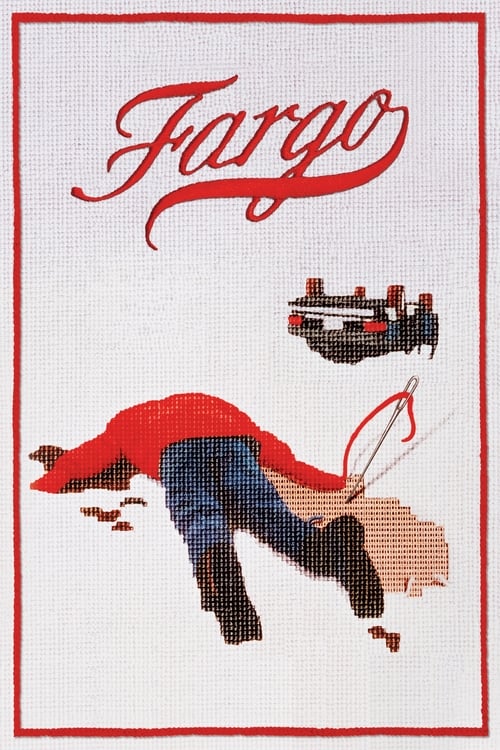
Fargo
1996 · Directed by Joel Coen
Woke Score
CriticCritic Score
Audience
Based
Critics rated this 66 points above its woke score. Among Based films, this critic score ranks #32 of 345.
Representation Casting
Score: 28/100
The cast includes characters of various ethnic backgrounds (Steve Park, Peter Stormare, Steve Reevis) but they are integrated naturally into the narrative without commentary. No deliberate effort to ensure diverse representation is evident; the casting reflects regional demographics.
LGBTQ+ Themes
Score: 0/100
No LGBTQ+ themes, characters, or subtext are present in the film. Sexual orientation and gender identity are not addressed.
Feminist Agenda
Score: 42/100
Marge Gunderson is a capable, intelligent female protagonist who outperforms her male counterparts, but the film does not frame her pregnancy or gender as ideological statements. Her competence is presented as individual instead of as corrective representation.
Racial Consciousness
Score: 15/100
The film includes characters from different racial and ethnic backgrounds but does not engage in explicit racial consciousness or commentary. Ethnic identity is treated as part of the regional setting instead of as a subject for examination.
Climate Crusade
Score: 0/100
Climate change and environmental concerns are entirely absent from the narrative. The snowy Minnesota setting is purely aesthetic and thematic instead of serving any ecological message.
Eat the Rich
Score: 25/100
The film depicts capitalism's failures through Jerry's debt-driven desperation and his resort to crime. However, the critique is implicit in the narrative instead of explicit or preachy. The film does not offer anti-capitalist analysis.
Body Positivity
Score: 35/100
Marge's pregnancy is depicted without shame or aesthetic judgment, and she performs her duties competently while heavily pregnant. However, this reflects realistic portrayal instead of deliberate body-positive messaging.
Neurodivergence
Score: 0/100
No neurodivergent characters or themes are present. Mental health and neurodiversity are not addressed in the film's narrative.
Revisionist History
Score: 0/100
The film is set in contemporary 1996 Minnesota and contains no historical revisionism or alternative interpretations of past events.
Lecture Energy
Score: 18/100
The Coen Brothers maintain a deadpan, observational tone throughout. While the film contains moral judgment, it does not lecture or moralize explicitly. Characters are allowed to speak and act without authorial interruption or explanation.


Synopsis
Jerry, a small-town Minnesota car salesman is bursting at the seams with debt... but he's got a plan. He's going to hire two thugs to kidnap his wife in a scheme to collect a hefty ransom from his wealthy father-in-law. It's going to be a snap and nobody's going to get hurt... until people start dying. Enter Police Chief Marge, a coffee-drinking, parka-wearing - and extremely pregnant - investigator who'll stop at nothing to get her man. And if you think her small-time investigative skills will give the crooks a run for their ransom... you betcha.
Consciousness Assessment
Fargo occupies a peculiar position in the contemporary discourse around social consciousness in cinema, primarily because it predates by nearly two decades the specific constellation of cultural anxieties we now classify under the relevant rubric. Frances McDormand's portrayal of Marge Gunderson has been retroactively lionized as a feminist statement, and there is something to this, though the distinction matters considerably. Marge is competent, moral, and pregnant, yes, but the film does not labor to make these facts into a manifesto. She is simply a capable police officer who happens to be carrying a child. The Coen Brothers present her decency and intelligence as natural to her character instead of as a corrective gesture toward representation. This is the difference between genuine characterization and performative consciousness.
The film's treatment of supporting characters reveals the limits of its progressive credentials. Steve Park's Mike Yanagita is presented as a somewhat pathetic figure, a high school acquaintance with unclear ethnic identity who lies about his circumstances. The scene itself functions as an interruption, a moment of surrealism within the narrative that confuses rather than clarifies. One might argue the Coens are exploring the randomness of human interaction, but the effect is to render the character primarily as an oddity, a disruption to Marge's investigation. The film contains other minor characters of various backgrounds, but they exist within the story's logic instead of as statements about representation. This is both the film's strength and, by contemporary standards, its profound limitation.
Fargo remains an artifact of pre-woke cinema, crafted by sensibilities that operated before the specific grammar of social consciousness became a primary framework for artistic expression. The film's darkness, its refusal to moralize, its portrayal of Midwestern decency as a bulwark against chaos, all of these operate in a register that is simply not concerned with the markers of contemporary progressive discourse. It is a very good film from a time before such films felt obligated to declare their values explicitly. This is not a judgment in either direction, merely an observation.
Analysis generated by our Consciousness Algorithm
Critic Reviews
“Rotates its story through satire, comedy, suspense and violence, until it emerges as one of the best films I've ever seen.”
“The fans of their best work -- "Blood Simple, "Raising Arizona," "Barton Fink" -- now can add Fargo to the list, pushing the Coens to the first rank of contemporary American filmmakers. [8 March 1996, Friday, p.B]”
Consciousness Markers
The cast includes characters of various ethnic backgrounds (Steve Park, Peter Stormare, Steve Reevis) but they are integrated naturally into the narrative without commentary. No deliberate effort to ensure diverse representation is evident; the casting reflects regional demographics.
No LGBTQ+ themes, characters, or subtext are present in the film. Sexual orientation and gender identity are not addressed.
Marge Gunderson is a capable, intelligent female protagonist who outperforms her male counterparts, but the film does not frame her pregnancy or gender as ideological statements. Her competence is presented as individual instead of as corrective representation.
The film includes characters from different racial and ethnic backgrounds but does not engage in explicit racial consciousness or commentary. Ethnic identity is treated as part of the regional setting instead of as a subject for examination.
Climate change and environmental concerns are entirely absent from the narrative. The snowy Minnesota setting is purely aesthetic and thematic instead of serving any ecological message.
The film depicts capitalism's failures through Jerry's debt-driven desperation and his resort to crime. However, the critique is implicit in the narrative instead of explicit or preachy. The film does not offer anti-capitalist analysis.
Marge's pregnancy is depicted without shame or aesthetic judgment, and she performs her duties competently while heavily pregnant. However, this reflects realistic portrayal instead of deliberate body-positive messaging.
No neurodivergent characters or themes are present. Mental health and neurodiversity are not addressed in the film's narrative.
The film is set in contemporary 1996 Minnesota and contains no historical revisionism or alternative interpretations of past events.
The Coen Brothers maintain a deadpan, observational tone throughout. While the film contains moral judgment, it does not lecture or moralize explicitly. Characters are allowed to speak and act without authorial interruption or explanation.