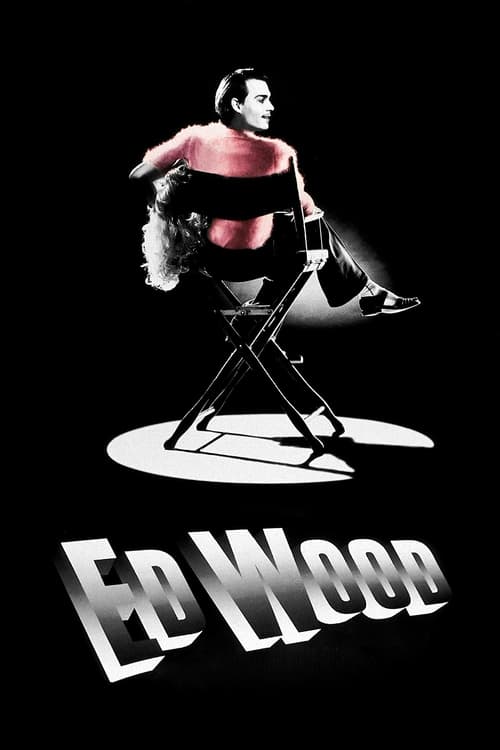
Ed Wood
1994 · Directed by Tim Burton
Woke Score
CriticCritic Score
Audience
Ultra Based
Critics rated this 67 points above its woke score. Among Ultra Based films, this critic score ranks #600 of 1469.
Representation Casting
Score: 20/100
The cast is predominantly white and male, with women relegated to supporting roles. No apparent effort to diversify the ensemble or reframe the historical narrative through contemporary casting practices.
LGBTQ+ Themes
Score: 30/100
The film depicts Wood's cross-dressing and his close relationship with Bela Lugosi, but treats these as biographical facts rather than as statements about gender or sexuality. No explicit engagement with LGBTQ+ identity or modern understanding of gender expression.
Feminist Agenda
Score: 0/100
No evidence of feminist themes or critique of patriarchal structures. Women characters exist in supporting roles without agency or thematic development.
Racial Consciousness
Score: 0/100
The film makes no effort to engage with questions of race, racial representation, or systemic racism. The narrative is entirely focused on a white male filmmaker.
Climate Crusade
Score: 0/100
No climate themes or environmental consciousness present in the film.
Eat the Rich
Score: 0/100
While the film depicts commercial failure, it romanticizes artistic integrity and underdog status rather than critiquing capitalist systems or corporate power.
Body Positivity
Score: 0/100
No themes related to body positivity, disability representation, or acceptance of non-normative bodies as a progressive statement.
Neurodivergence
Score: 0/100
While Wood's eccentric behavior might suggest neurodivergence, the film does not engage with this framework or present it as a progressive value.
Revisionist History
Score: 0/100
The film presents a largely straightforward biographical adaptation without attempting to revise historical narratives or challenge conventional historical understanding.
Lecture Energy
Score: 0/100
The film maintains a light comedic tone throughout and does not attempt to educate the audience about social issues or deliver moral lessons.


Synopsis
The mostly true story of the legendary "worst director of all time", who, with the help of his strange friends, filmed countless B-movies without ever becoming famous or successful.
Consciousness Assessment
Tim Burton's Ed Wood arrives as a sincere biographical exercise dressed in black and white cinematography, treating its subject with the kind of reverence typically reserved for figures of actual cultural consequence. The film depicts its protagonist's cross-dressing habits and marginalization with genuine sympathy, but this sympathy operates within a purely biographical framework rather than a contemporary social agenda. Wood's angora collection and his relationship with a fading Bela Lugosi are presented as charming quirks of an underdog artist, not as opportunities for meditation on gender identity or institutional acceptance.
The film's casting reflects a fairly conventional 1994 approach: a white male ensemble with Sarah Jessica Parker and Patricia Arquette in supporting roles. There is no apparent effort to diversify the narrative or to reframe Wood's story through the lens of modern progressive sensibilities. The humor derives from Wood's incompetence and eccentricity, not from any subversion of social norms or power structures. Burton's direction emphasizes aesthetic charm and nostalgic affection for mid-century B-movie culture rather than any critique of the systems that marginalized both Wood and Lugosi.
This is a film that loves its subject unconditionally but on terms that predate contemporary social consciousness by decades. It contains no lecture energy, no racial consciousness, no anti-capitalist sentiment, and no climate awareness. The cross-dressing elements, while present, are treated as biographical fact rather than as a statement about gender or identity. Ed Wood remains a curio, a valentine to failure and artistic integrity that resists interpretation through the frameworks of modern progressive cinema.
Analysis generated by our Consciousness Algorithm
Critic Reviews
“A comedy of the ridiculous in which the ridiculous turns unexpectedly sublime.”
“One of those rare films that communicates the exquisite joy of the moviemaking process. [7 October 1994, Friday, p.B]”
“Half-factual, half-fanciful and all funny, this labor of love is also unexpectedly touching. [28 September 1994, Life, p.5D]”
Consciousness Markers
The cast is predominantly white and male, with women relegated to supporting roles. No apparent effort to diversify the ensemble or reframe the historical narrative through contemporary casting practices.
The film depicts Wood's cross-dressing and his close relationship with Bela Lugosi, but treats these as biographical facts rather than as statements about gender or sexuality. No explicit engagement with LGBTQ+ identity or modern understanding of gender expression.
No evidence of feminist themes or critique of patriarchal structures. Women characters exist in supporting roles without agency or thematic development.
The film makes no effort to engage with questions of race, racial representation, or systemic racism. The narrative is entirely focused on a white male filmmaker.
No climate themes or environmental consciousness present in the film.
While the film depicts commercial failure, it romanticizes artistic integrity and underdog status rather than critiquing capitalist systems or corporate power.
No themes related to body positivity, disability representation, or acceptance of non-normative bodies as a progressive statement.
While Wood's eccentric behavior might suggest neurodivergence, the film does not engage with this framework or present it as a progressive value.
The film presents a largely straightforward biographical adaptation without attempting to revise historical narratives or challenge conventional historical understanding.
The film maintains a light comedic tone throughout and does not attempt to educate the audience about social issues or deliver moral lessons.