Dumbo
2019 · Directed by Tim Burton
Woke Score
CriticCritic Score
Audience
Based
Critics rated this 29 points above its woke score. Among Based films, this critic score ranks #289 of 345.
Representation Casting
Score: 32/100
Nico Parker, daughter of Thandiwe Newton, plays the lead human character Milly Farrier, providing some diversity in a substantial role. However, the casting appears incidental rather than part of any deliberate representation strategy, and the supporting cast remains predominantly white.
LGBTQ+ Themes
Score: 0/100
No LGBTQ+ themes, characters, or representation appear in the film. The narrative contains no engagement with sexual orientation or gender identity.
Feminist Agenda
Score: 15/100
Milly Farrier functions as a capable, intelligent female lead who pursues her interests and challenges authority figures. However, this represents basic female agency rather than feminist consciousness. The film does not explore gender politics or systemic inequality.
Racial Consciousness
Score: 12/100
The film includes actors of color in various roles, but this appears to reflect contemporary casting norms rather than any deliberate exploration of race or racial justice. No thematic engagement with racial issues exists.
Climate Crusade
Score: 0/100
No climate-related themes, environmental messaging, or ecological consciousness appears in the film. The setting is a historical circus with no contemporary environmental commentary.
Eat the Rich
Score: 25/100
Michael Keaton's character represents corporate greed and exploitation, and the narrative opposes his capitalist schemes. However, this critique remains superficial and generic, lacking any sophisticated economic analysis or systemic deconstruction.
Body Positivity
Score: 0/100
The film contains no body positivity messaging, fat acceptance themes, or celebration of diverse body types. Dumbo's large ears are presented as a disability-turned-asset rather than as body positive representation.
Neurodivergence
Score: 8/100
Dumbo's oversized ears could be interpreted as a metaphorical disability, and his journey involves overcoming stigma associated with difference. However, the film does not engage with neurodivergence as such, nor does it represent actual neurodivergent characters.
Revisionist History
Score: 5/100
The 2019 version adds exploitation themes and modernizes certain elements compared to the 1941 original, but these changes reflect contemporary sensibilities rather than revisionist historical analysis. The film does not reframe historical events or challenge established narratives.
Lecture Energy
Score: 10/100
The film avoids overt preachiness and maintains a family entertainment tone. However, the capitalism-critique subplot occasionally verges on preachy without developing the theme meaningfully.


Synopsis
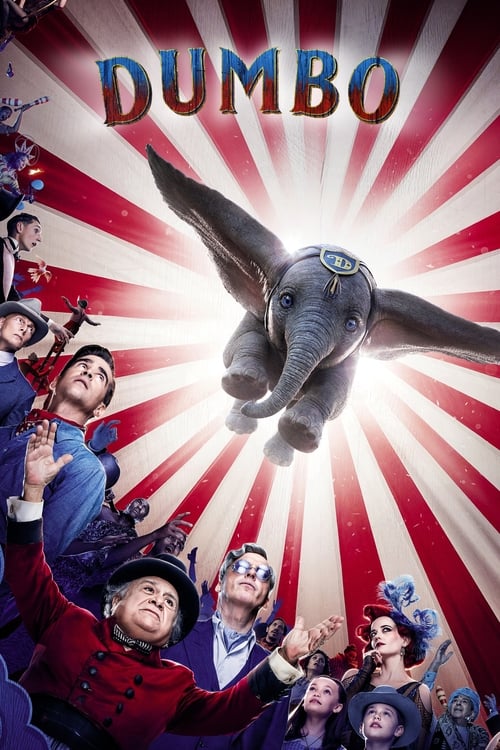
A young elephant, whose oversized ears enable him to fly, helps save a struggling circus, but when the circus plans a new venture, Dumbo and his friends discover dark secrets beneath its shiny veneer.
Consciousness Assessment
Tim Burton's Dumbo occupies an uncomfortable middle ground between nostalgia and contemporary sensibilities. The director grafts modern anxieties about exploitation and corporate malfeasance onto a story that predates such concerns by decades. Michael Keaton's V.A. Vandevere serves as a generic tycoon antagonist, the sort of character who has existed in cinema since before anyone coined the term "capitalist critique." Eva Green lurks about as a trapeze artist with vague Continental menace. The real draw is Burton's visual apparatus: the circus sequences possess the expected production design competence, though critics noted the film never quite achieves the visual transcendence one might expect from this particular director confronting this particular source material.
The introduction of Nico Parker as Milly Farrier, daughter of Colin Farrell's elephant handler, restructures the narrative around human characters in ways that dilute the original's peculiar charm. This is not inherently problematic, but it does suggest an attempt to broaden appeal through conventional storytelling rather than genuine artistic vision. The film concerns itself with themes of circus worker exploitation and corporate overreach, yet these elements function as plot mechanics rather than thematic explorations. We sense Burton going through motions, assembling the expected components of a prestige family entertainment without finding anything fresh to say about them.
The box office underperformance (353 million on 170 million budget, less robust than comparable Disney live-action adaptations) suggests audiences recognized the film's fundamental hollowness. Critics described it as workmanlike, a collection of better Burton films stitched together. The cultural conversation around Dumbo dissipated almost immediately upon release, which speaks volumes about its lack of resonance, progressive or otherwise.
Analysis generated by our Consciousness Algorithm
Critic Reviews
“Burton’s command of this material and his masterful visual sense makes this Dumbo an engaging delight. Like that winsome elephant, it really does soar.”
“The new story is decidedly, deliciously dark, veined with thin layers of Burton’s trademark macabre sensibility, which adds texture and tartness to the inherent charm of the story (at heart, one about the parent-child bond and the possibility of the impossible).”
“An enchanting blend of Disney twinkle and Tim Burton’s dark whimsy that’s at its best when venturing off the beaten path. Come for the super-cute elephant, stay for Keaton and DeVito’s glorious reunion.”
“Disney’s new Dumbo is one ponderous pachyderm, a live-action remake of the 1941 animated classic with a grim tone and a dead soul. It’s astounding that Tim Burton and his colleagues could have created such a downer from a long-beloved source of delight. ”
Consciousness Markers
Nico Parker, daughter of Thandiwe Newton, plays the lead human character Milly Farrier, providing some diversity in a substantial role. However, the casting appears incidental rather than part of any deliberate representation strategy, and the supporting cast remains predominantly white.
No LGBTQ+ themes, characters, or representation appear in the film. The narrative contains no engagement with sexual orientation or gender identity.
Milly Farrier functions as a capable, intelligent female lead who pursues her interests and challenges authority figures. However, this represents basic female agency rather than feminist consciousness. The film does not explore gender politics or systemic inequality.
The film includes actors of color in various roles, but this appears to reflect contemporary casting norms rather than any deliberate exploration of race or racial justice. No thematic engagement with racial issues exists.
No climate-related themes, environmental messaging, or ecological consciousness appears in the film. The setting is a historical circus with no contemporary environmental commentary.
Michael Keaton's character represents corporate greed and exploitation, and the narrative opposes his capitalist schemes. However, this critique remains superficial and generic, lacking any sophisticated economic analysis or systemic deconstruction.
The film contains no body positivity messaging, fat acceptance themes, or celebration of diverse body types. Dumbo's large ears are presented as a disability-turned-asset rather than as body positive representation.
Dumbo's oversized ears could be interpreted as a metaphorical disability, and his journey involves overcoming stigma associated with difference. However, the film does not engage with neurodivergence as such, nor does it represent actual neurodivergent characters.
The 2019 version adds exploitation themes and modernizes certain elements compared to the 1941 original, but these changes reflect contemporary sensibilities rather than revisionist historical analysis. The film does not reframe historical events or challenge established narratives.
The film avoids overt preachiness and maintains a family entertainment tone. However, the capitalism-critique subplot occasionally verges on preachy without developing the theme meaningfully.