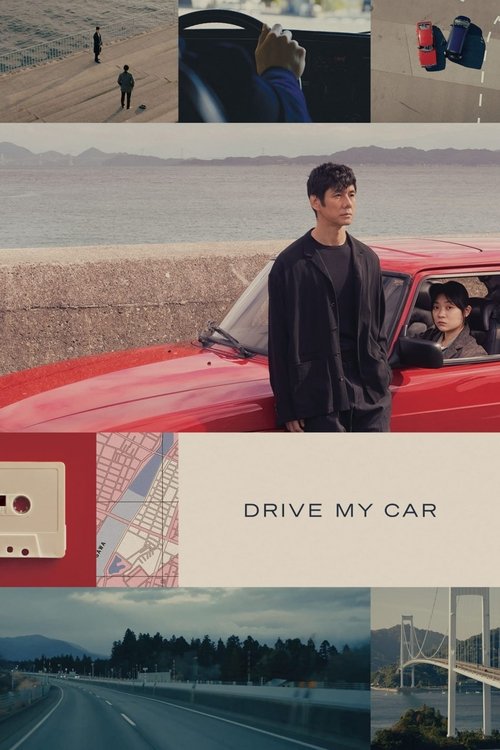
Drive My Car
2021 · Directed by Ryusuke Hamaguchi
Woke Score
CriticCritic Score
Audience
Ultra Based
Critics rated this 76 points above its woke score. Among Ultra Based films, this critic score ranks #111 of 1469.
Representation Casting
Score: 35/100
The cast includes Japanese, Korean, and Chinese actors reflecting international production, but casting choices serve story logic rather than explicit diversity statement. Misaki is a substantial female character with narrative agency.
LGBTQ+ Themes
Score: 15/100
A past relationship between male characters is referenced obliquely and treated as emotional archaeology rather than explicit thematic exploration. Queerness remains submerged and peripheral.
Feminist Agenda
Score: 20/100
Misaki functions as a fully realized character with interiority and agency, but the film does not engage with gender-specific consciousness or feminist frameworks. Her suffering is presented as universal rather than gendered.
Racial Consciousness
Score: 10/100
The multilingual Uncle Vanya production and Hiroshima setting acknowledge cultural and historical context, but racial dynamics are not foregrounded or explicitly interrogated.
Climate Crusade
Score: 0/100
No evidence of climate-related themes or environmental consciousness in the film.
Eat the Rich
Score: 5/100
The film depicts theater and artistic creation as valuable pursuits, but contains no critique of capitalism or wealth structures. The anti-capitalist dimension is absent.
Body Positivity
Score: 0/100
No evidence of body positivity messaging or explicit engagement with body image politics.
Neurodivergence
Score: 15/100
Misaki exhibits traits suggesting trauma response or neurodivergent characteristics (silence, social withdrawal), but these are not explicitly named or addressed through a neurodiversity lens.
Revisionist History
Score: 10/100
The Hiroshima setting and references to Japanese history are present, but the film does not engage in revisionist reframing of historical events. History is context rather than argument.
Lecture Energy
Score: 5/100
The film trusts viewers to draw conclusions about grief, art, and connection without explicit preachiness. Its length and pacing create contemplative space rather than argumentative thrust.


Synopsis
Yusuke Kafuku, a stage actor and director, still unable, after two years, to cope with the loss of his beloved wife, accepts to direct Uncle Vanya at a theater festival in Hiroshima. There he meets Misaki, an introverted young woman, appointed to drive his car. In between rides, secrets from the past and heartfelt confessions will be unveiled.
Consciousness Assessment
Drive My Car is a three-hour meditation on grief, artistic creation, and human connection that treats its characters with the care of a master craftsperson restoring a painting. The film follows a theater director mounting a multilingual production of Uncle Vanya in Hiroshima, where he develops an unlikely bond with his young driver, Misaki. Their relationship unfolds through long car rides, extended silences, and gradually disclosed secrets, a structure that privileges emotional authenticity over narrative convenience. The film's formal rigor and thematic depth reflect a commitment to humanist exploration rather than contemporary cultural positioning.
The film's cast includes actors from multiple nations (Japanese, Korean, Chinese), though their inclusion serves the story's organic logic rather than signaling representational intent. Misaki emerges as a complex female character with agency and interiority, but the film's examination of her trauma and isolation operates within a universalist framework rather than through a lens of gender-specific consciousness. There are hints of queerness in the narrative (a past affair between male characters), yet these elements remain submerged beneath the surface, treated as part of the emotional archaeology the film excavates. The production values and international casting reflect contemporary filmmaking practice more than conscious commitment to demographic balance.
What distinguishes Drive My Car is its studied resistance to contemporary messaging. The film's treatment of loss, aging, and artistic work suggests a sensibility formed before the current vocabulary of social consciousness became dominant. It is a film concerned with how we endure suffering and create meaning, with the specific textures of Japanese culture and the universal language of theater, but not with signaling alignment with particular cultural movements. The 179-minute runtime itself functions as a kind of resistance, a refusal to condense complex emotional states into digestible forms. For those seeking contemporary progressive sensibilities woven into the narrative fabric, this film offers little comfort.
Analysis generated by our Consciousness Algorithm
Critic Reviews
“Where once Hamaguchi’s film-making language had seemed to me at the level of jeu d’esprit, now it ascends to something with passion and even a kind of grandeur.”
“Nearly every scene of this richly novelistic movie — which won the festival’s screenplay prize — teems with ideas about grief and betrayal, the nature of acting, the possibility (and impossibility) of catharsis through art, and the simple bliss of watching lights and landscapes fly past your car window.”
“Hamaguchi has made a profoundly beautiful film about making peace with the role in front of you, and playing it with all your might.”
“It’s a movie of repressed characters living interior monologues not delivered, the cinema of droning along storytelling rebranded as “serene” or “patient.” That makes this festival darling one of those films you ponder and appreciate, almost at arm’s length. It’s that afraid of moving you.”
Consciousness Markers
The cast includes Japanese, Korean, and Chinese actors reflecting international production, but casting choices serve story logic rather than explicit diversity statement. Misaki is a substantial female character with narrative agency.
A past relationship between male characters is referenced obliquely and treated as emotional archaeology rather than explicit thematic exploration. Queerness remains submerged and peripheral.
Misaki functions as a fully realized character with interiority and agency, but the film does not engage with gender-specific consciousness or feminist frameworks. Her suffering is presented as universal rather than gendered.
The multilingual Uncle Vanya production and Hiroshima setting acknowledge cultural and historical context, but racial dynamics are not foregrounded or explicitly interrogated.
No evidence of climate-related themes or environmental consciousness in the film.
The film depicts theater and artistic creation as valuable pursuits, but contains no critique of capitalism or wealth structures. The anti-capitalist dimension is absent.
No evidence of body positivity messaging or explicit engagement with body image politics.
Misaki exhibits traits suggesting trauma response or neurodivergent characteristics (silence, social withdrawal), but these are not explicitly named or addressed through a neurodiversity lens.
The Hiroshima setting and references to Japanese history are present, but the film does not engage in revisionist reframing of historical events. History is context rather than argument.
The film trusts viewers to draw conclusions about grief, art, and connection without explicit preachiness. Its length and pacing create contemplative space rather than argumentative thrust.