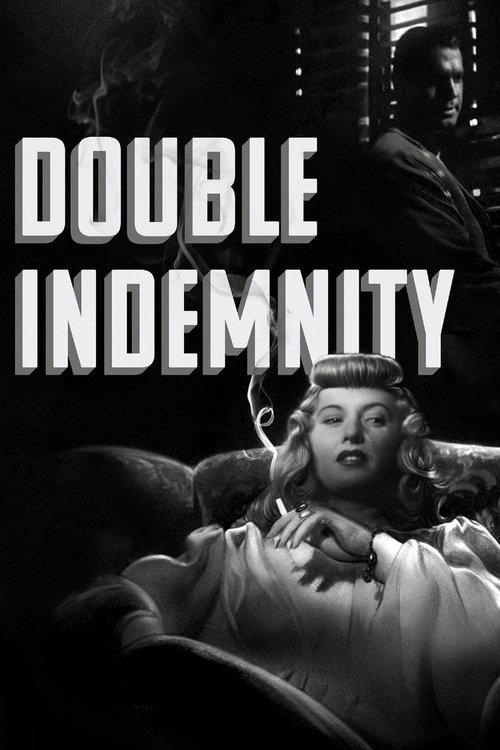
Double Indemnity
1944 · Directed by Billy Wilder
Woke Score
CriticCritic Score
Audience
Ultra Based
Critics rated this 91 points above its woke score. Among Ultra Based films, this critic score ranks #62 of 1469.
Representation Casting
Score: 5/100
The cast reflects 1944 Hollywood standards with an all-white ensemble. No consideration is given to diversifying the roles, and the film shows no awareness that this might be a concern.
LGBTQ+ Themes
Score: 0/100
No LGBTQ+ themes, representation, or subtext. The film is entirely heteronormative in its assumptions and narrative.
Feminist Agenda
Score: 15/100
While Stanwyck plays an active agent of her own fate, the film does not frame her actions through a feminist lens. She is a manipulator, not a symbol of liberation or critique of patriarchy.
Racial Consciousness
Score: 2/100
The film contains no racial consciousness whatsoever. It is set in a world where race does not appear to exist or matter, reflecting the erasure typical of 1944 mainstream Hollywood.
Climate Crusade
Score: 0/100
No climate themes of any kind. The film is entirely unconcerned with environmental issues, which is unsurprising for a 1944 murder thriller.
Eat the Rich
Score: 20/100
The film critiques individual greed and moral corruption in a capitalist system, but it does so without any systematic critique of capitalism itself. The problem is the characters' choices, not the structure.
Body Positivity
Score: 0/100
No body positivity themes. The film operates within conventional standards of attractiveness and makes no effort to challenge or broaden aesthetic norms.
Neurodivergence
Score: 0/100
No representation of neurodivergence or any suggestion that such categories exist. The characters are assumed to be neurotypical.
Revisionist History
Score: 0/100
The film makes no attempt to revise historical narratives or offer alternative perspectives on historical events. It is a contemporary crime story.
Lecture Energy
Score: 5/100
The film trusts its audience to understand its moral dimensions without explicit instruction. There is minimal preachiness, though the ending does deliver a fairly straightforward moral judgment.


Synopsis
An insurance representative is seduced by a dissatisfied housewife into a scheme of insurance fraud and murder that arouses the suspicion of his colleague, a claims investigator.
Consciousness Assessment
Double Indemnity arrives as a masterwork of narrative efficiency and moral complexity, yet it remains fundamentally a product of 1944, which is to say it is almost entirely unconcerned with the cultural preoccupations that would define progressive sensibilities eight decades hence. Billy Wilder crafted a film about desire, deception, and the corrosive effect of greed, but not once does it pause to interrogate these themes through the lens of social consciousness. The picture treats its characters as moral agents rather than demographic categories. Fred MacMurray's insurance salesman and Barbara Stanwyck's femme fatale are simply two people who deserve each other's mutual destruction, nothing more.
What emerges is a film so committed to its own narrative logic that it forgets to perform the cultural work that modern audiences have come to expect. Stanwyck's character, though she drives the plot through calculated seduction, is not presented as a victim of patriarchal structures but as a cunning manipulator who understands her power and deploys it with cold precision. The film's moral universe contains no room for contextualizing her behavior as a cry for liberation or a symptom of systemic oppression. She is simply a woman who wants her husband dead and is willing to manipulate an ambitious man to achieve it. The supporting cast, meanwhile, exists to serve the plot. They are not representatives of anything larger than themselves.
This is not to say the film is without cultural interest, but that interest lies in its reflection of 1944 anxieties about masculine vulnerability and female agency rather than any sustained engagement with modern progressive concerns. A contemporary viewer seeking evidence of social consciousness will find only the occasional bones to chew on, and none of them are very meaty. The picture is too busy being a perfect thriller to worry about whether it is saying the right things about the right people.
Analysis generated by our Consciousness Algorithm
Critic Reviews
“This shrewd, smoothly tawdry thriller, directed by Billy Wilder, is one of the high points of nineteen-forties films. Barbara Stanwyck’s Phyllis Dietrichson—a platinum blonde who wears tight white sweaters, an anklet, and sleazy-kinky shoes—is perhaps the best acted and the most fixating of all the slutty, cold-blooded femmes fatales of the film-noir genre.”
“To describe the story is to miss the nuances that make it tantalizing.”
“Film noir is the most intoxicating of Hollywood cocktails, and none is more potent than Double Indemnity...It breaks the rules of filmmaking with breathtaking confidence and is all the more satisfying for”
“Such folks as delight in murder stories for their academic elegance alone should find this one steadily diverting, despite its monotonous pace and length...But the very toughness of the picture is also the weakness of its core, and the academic nature of its plotting limits its general appeal.”
Consciousness Markers
The cast reflects 1944 Hollywood standards with an all-white ensemble. No consideration is given to diversifying the roles, and the film shows no awareness that this might be a concern.
No LGBTQ+ themes, representation, or subtext. The film is entirely heteronormative in its assumptions and narrative.
While Stanwyck plays an active agent of her own fate, the film does not frame her actions through a feminist lens. She is a manipulator, not a symbol of liberation or critique of patriarchy.
The film contains no racial consciousness whatsoever. It is set in a world where race does not appear to exist or matter, reflecting the erasure typical of 1944 mainstream Hollywood.
No climate themes of any kind. The film is entirely unconcerned with environmental issues, which is unsurprising for a 1944 murder thriller.
The film critiques individual greed and moral corruption in a capitalist system, but it does so without any systematic critique of capitalism itself. The problem is the characters' choices, not the structure.
No body positivity themes. The film operates within conventional standards of attractiveness and makes no effort to challenge or broaden aesthetic norms.
No representation of neurodivergence or any suggestion that such categories exist. The characters are assumed to be neurotypical.
The film makes no attempt to revise historical narratives or offer alternative perspectives on historical events. It is a contemporary crime story.
The film trusts its audience to understand its moral dimensions without explicit instruction. There is minimal preachiness, though the ending does deliver a fairly straightforward moral judgment.