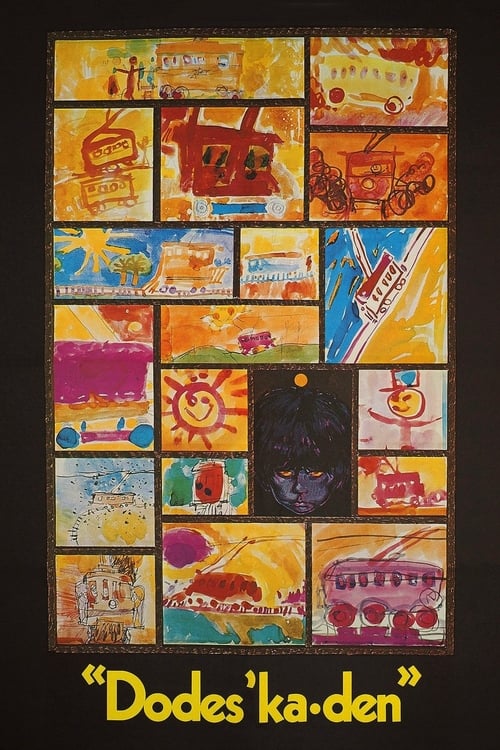
Dodes'ka-den
1970 · Directed by Akira Kurosawa
Ultra Based
Consciousness Score: 4%
Representation Casting
Score: 0/100
Cast reflects the working-class characters authentically, but without any conscious consideration of diversity or contemporary representation standards. Casting is organic to the story, not calibrated for progressive optics.
LGBTQ+ Themes
Score: 0/100
No LGBTQ+ characters or themes present in the film. The narrative does not engage with sexual orientation or gender identity.
Feminist Agenda
Score: 0/100
While a female character experiences domestic abuse, the film treats this as individual tragedy rather than as a statement about patriarchal systems. No feminist consciousness or messaging is evident.
Racial Consciousness
Score: 0/100
The film is set in Japan with a Japanese cast and does not engage with racial or ethnic consciousness as a thematic concern.
Climate Crusade
Score: 0/100
No environmental or climate-related themes present. The dump setting is a backdrop for economic hardship, not an environmental statement.
Eat the Rich
Score: 12/100
The film depicts capitalism's failures through poverty and homelessness, showing people crushed by economic systems. However, this critique is implicit and humanist rather than explicitly ideological or systemic.
Body Positivity
Score: 0/100
No engagement with body positivity, body diversity, or related themes. Bodies are simply present as part of the human landscape.
Neurodivergence
Score: 15/100
A central character is described as 'mentally deficient' and obsessed with an imaginary trolley. The portrayal is compassionate but diagnostic and pathologizing rather than celebrating neurodiversity in contemporary terms.
Revisionist History
Score: 0/100
The film does not engage with historical revisionism or reinterpretation of past events.
Lecture Energy
Score: 0/100
The film trusts its audience to understand the conditions depicted without explicit commentary or preachy messaging. No lectures about social problems.


Synopsis
On a Tokyo dump's shantytown edge, interwoven vignettes follow residents scraping by: a boy who "drives" an imaginary trolley, a homeless father and son designing a dream house, a young woman brutalized at home, drunks, schemers, and saints of small kindnesses. Kurosawa crafts a ragged mosaic of hardship, fantasy, and flickers of grace that keep people moving forward.
Consciousness Assessment
Dodes'ka-den presents a compassionate, unflinching portrait of Tokyo's underclass in 1970, depicting the daily indignities and small joys of people living in a dump-adjacent shantytown. Kurosawa's episodic structure treats his subjects with genuine dignity, allowing their fantasies and schemes to coexist with their material desperation without condescension. This is serious humanist cinema of the highest order, a meditation on poverty that predates modern cultural discourse by a full decade.
Yet the film exhibits almost none of the specific markers associated with contemporary progressive sensibilities. The representation is organic rather than consciously calibrated. Gender dynamics reflect the period without interrogation. There is no explicit racial consciousness, no climate messaging, no lecture energy about systemic oppression. A young woman's domestic abuse is presented as tragedy rather than as a vehicle for thematic exposition about patriarchal violence. The film's achievement lies in its empathy and formal innovation, not in its alignment with any particular ideological framework.
This is the distinction we must maintain: moral seriousness and artistic depth do not automatically constitute the cultural form we are measuring here. Dodes'ka-den is important cinema about important subjects. It is simply not, in the specific 2020s sense, what we have come to call socially conscious. That absence of the markers we track is not a failing of the film. It is merely an acknowledgment of historical reality.
Analysis generated by our Consciousness Algorithm
Consciousness Markers
Cast reflects the working-class characters authentically, but without any conscious consideration of diversity or contemporary representation standards. Casting is organic to the story, not calibrated for progressive optics.
No LGBTQ+ characters or themes present in the film. The narrative does not engage with sexual orientation or gender identity.
While a female character experiences domestic abuse, the film treats this as individual tragedy rather than as a statement about patriarchal systems. No feminist consciousness or messaging is evident.
The film is set in Japan with a Japanese cast and does not engage with racial or ethnic consciousness as a thematic concern.
No environmental or climate-related themes present. The dump setting is a backdrop for economic hardship, not an environmental statement.
The film depicts capitalism's failures through poverty and homelessness, showing people crushed by economic systems. However, this critique is implicit and humanist rather than explicitly ideological or systemic.
No engagement with body positivity, body diversity, or related themes. Bodies are simply present as part of the human landscape.
A central character is described as 'mentally deficient' and obsessed with an imaginary trolley. The portrayal is compassionate but diagnostic and pathologizing rather than celebrating neurodiversity in contemporary terms.
The film does not engage with historical revisionism or reinterpretation of past events.
The film trusts its audience to understand the conditions depicted without explicit commentary or preachy messaging. No lectures about social problems.