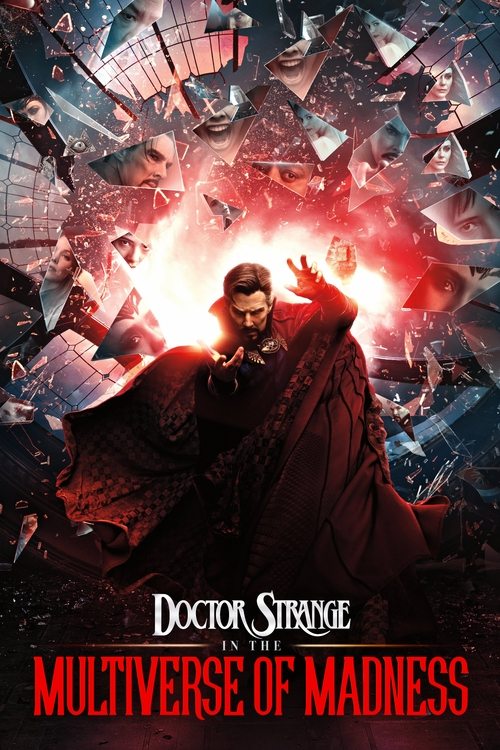
Doctor Strange in the Multiverse of Madness
2022 · Directed by Sam Raimi
Woke Score
CriticCritic Score
Audience
Ultra Based
Critics rated this 45 points above its woke score. Among Ultra Based films, this critic score ranks #896 of 1469.
Representation Casting
Score: 45/100
The film features a diverse cast including Xochitl Gomez as the lead supporting character, Chiwetel Ejiofor, and other actors of color. However, this reflects contemporary industry casting practices rather than any deliberate progressive vision.
LGBTQ+ Themes
Score: 15/100
America Chavez's two mothers are briefly mentioned. This is the extent of LGBTQ+ content: a single reference with no narrative exploration or thematic weight.
Feminist Agenda
Score: 10/100
The film features female characters in active roles, but none of the narrative engages with gender as a subject. There is no feminist commentary or exploration of patriarchal systems.
Racial Consciousness
Score: 0/100
No meaningful exploration of race or racial identity occurs in the film. Characters of color are present but race is never addressed as a subject.
Climate Crusade
Score: 0/100
The film contains zero engagement with climate change or environmental concerns of any kind.
Eat the Rich
Score: 0/100
No critique of capitalism, wealth inequality, or economic systems appears in the narrative. The pursuit of power is treated as a personal rather than systemic matter.
Body Positivity
Score: 5/100
No engagement with body positivity or body diversity. All characters conform to conventional Hollywood physical standards.
Neurodivergence
Score: 0/100
No representation of neurodivergent characters or exploration of neurodiversity appears in the film.
Revisionist History
Score: 0/100
The film does not engage with history or historical narratives in any form, revisionist or otherwise.
Lecture Energy
Score: 8/100
The film occasionally explains multiverse mechanics and mystical concepts to the audience, but this is exposition rather than preachy messaging about social issues.


Synopsis
Doctor Strange, with the help of mystical allies both old and new, traverses the mind-bending and dangerous alternate realities of the Multiverse to confront a mysterious new adversary.
Consciousness Assessment
Sam Raimi's entry into the Marvel Cinematic Universe is primarily concerned with navigating interdimensional horror and the romantic anxieties of a neurosurgeon, matters of considerable cultural importance to approximately no one outside a specific demographic of comic book readers. The film does feature Xochitl Gomez as America Chavez, a young Latina character whose two mothers are mentioned in passing, which constitutes what one might charitably describe as the film's most progressive gesture. This detail exists neither as commentary nor as a basis for narrative development; it is simply there, mentioned briefly and then abandoned. The cast itself reflects contemporary casting practices in major studio films, where diversity is the default rather than the exception, but this reflects the world we live in rather than any particular social consciousness on the part of the filmmakers. The narrative concerns itself with the pursuit of power across alternate realities, a premise that manages to avoid engaging with wealth inequality, systemic oppression, or any other matter of social import. Raimi's horror sensibilities lend the film a more visually interesting quality than most MCU entries, but visual style cannot compensate for the complete absence of anything resembling a worldview beyond spectacle and franchise continuity.
The Multiverse of Madness represents the thoroughly normalized state of contemporary blockbuster filmmaking, where progressive casting choices and a single reference to a same-sex couple constitute sufficient cultural awareness. We have reached a point where representation, stripped of any accompanying narrative substance or thematic exploration, functions as a substitute for actual progressive content. The film is not hostile to progressive values, but neither does it engage with them in any meaningful way. It is simply a Marvel film that happens to include people of various backgrounds and a character whose family structure deviates from the heteronormative default. This is not cultural progress; it is the absence of controversy disguised as such. One leaves the theater having learned nothing about systemic injustice, identity, or the human condition, which is precisely the intended outcome of a product designed to generate profit across multiple demographics and geographic markets.
Analysis generated by our Consciousness Algorithm
Critic Reviews
“Some people will dismiss the film as nonsense, and they could have a point. But Doctor Strange in the Multiverse of Madness is a huge amount of fun. ”
“Multiverse of Madness isn’t wildly unconventional in its story choices, but the fun it has exploring the possibilities of this narrative makes it a treat.”
“What Raimi has done with his contribution, however, is construct not another roller coaster but one hell of a haunted house, one fueled by an abundance of eccentric creativity, imagination, and finely honed chops. The methods he employs to his Madness are what makes this movie stick out, in this or any other universe.”
“There may be a universe in which I feel the barest thread of emotional connection to even one thing that happens during the 126 minutes of loud, smeary nonsense that is Doctor Strange in the Multiverse of Madness. But I doubt it.”
Consciousness Markers
The film features a diverse cast including Xochitl Gomez as the lead supporting character, Chiwetel Ejiofor, and other actors of color. However, this reflects contemporary industry casting practices rather than any deliberate progressive vision.
America Chavez's two mothers are briefly mentioned. This is the extent of LGBTQ+ content: a single reference with no narrative exploration or thematic weight.
The film features female characters in active roles, but none of the narrative engages with gender as a subject. There is no feminist commentary or exploration of patriarchal systems.
No meaningful exploration of race or racial identity occurs in the film. Characters of color are present but race is never addressed as a subject.
The film contains zero engagement with climate change or environmental concerns of any kind.
No critique of capitalism, wealth inequality, or economic systems appears in the narrative. The pursuit of power is treated as a personal rather than systemic matter.
No engagement with body positivity or body diversity. All characters conform to conventional Hollywood physical standards.
No representation of neurodivergent characters or exploration of neurodiversity appears in the film.
The film does not engage with history or historical narratives in any form, revisionist or otherwise.
The film occasionally explains multiverse mechanics and mystical concepts to the audience, but this is exposition rather than preachy messaging about social issues.