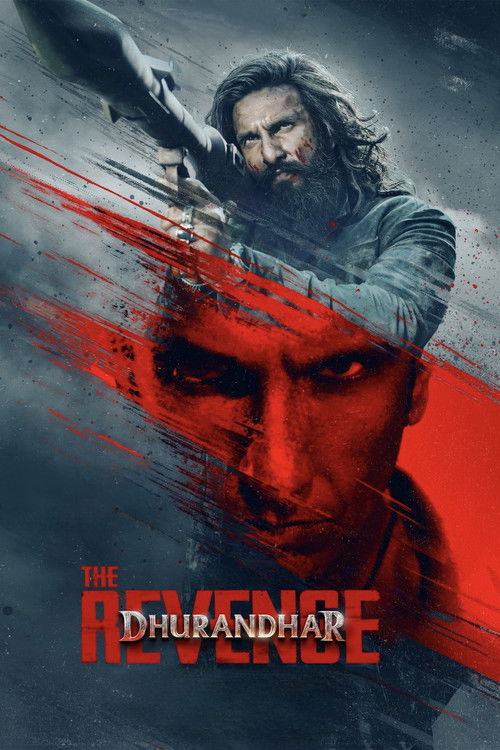
Dhurandhar: The Revenge
2026 · Directed by Aditya Dhar · $26.1M domestic
Ultra Based
Consciousness Score: 8%
Representation Casting
Score: 15/100
The cast is predominantly Indian with Pakistani characters relegated to secondary or antagonistic roles. There is no meaningful representation of Pakistani perspectives or agency in the narrative.
LGBTQ+ Themes
Score: 0/100
No LGBTQ+ themes or representation are present in the film. The narrative is entirely heterosexual and focused on national conflict.
Feminist Agenda
Score: 8/100
Female characters appear minimally in the cast list and serve supporting roles in a male-dominated action narrative centered on espionage and violence.
Racial Consciousness
Score: 5/100
The film engages with national and ethnic identity primarily through the lens of nationalist propaganda rather than critical racial consciousness. Pakistani ethnicity is presented as exotic and dangerous.
Climate Crusade
Score: 0/100
No climate-related themes or environmental consciousness are present in this spy thriller focused on urban gang violence and international espionage.
Eat the Rich
Score: 0/100
The film does not engage with capitalist critique. Its conflict is rooted in nationalism and state power rather than economic systems.
Body Positivity
Score: 0/100
Body positivity is not a concern in this action thriller, which follows conventional Hollywood aesthetic standards for action heroes.
Neurodivergence
Score: 0/100
No representation of neurodivergent characters or themes is evident from available information about the film.
Revisionist History
Score: 35/100
The film presents a revisionist version of Pakistan's internal politics and the Lyari district, simplifying complex social realities into a narrative of chaos requiring external intervention.
Lecture Energy
Score: 25/100
The film's nationalist framework carries preachy weight, positioning the viewer to accept its version of patriotism and national security as unquestionable moral imperatives.
Synopsis
As rival gangs, corrupt officials and a ruthless Major Iqbal close in, Hamza's mission for his country spirals into a bloody personal war where the line between patriot and monster disappears in the streets of Lyari.
Consciousness Assessment
Dhurandhar: The Revenge is a spy thriller so thoroughly committed to nationalist mythology that one might mistake it for a recruitment film. The narrative centers on an Indian agent embedded in Pakistan's criminal underworld, pursuing what we are meant to understand as righteous vengeance against a corrupt nation. The film traffics in the ethnographic gaze of the colonizer, presenting the Lyari district of Karachi as a lawless hellscape requiring Indian intervention. Pakistani critics have correctly identified this as propaganda, with the Sindh provincial government releasing a counternarrative film to challenge what they describe as a one-sided portrayal of their district as a place of culture and strength rather than chaos. The movie's entire moral architecture rests on the idea that national borders matter infinitely more than human life or local complexity.
The casting features Ranveer Singh and a roster of established Indian actors in positions of narrative authority, while Pakistani characters function primarily as criminals, obstacles, or victims in need of rescue. This is not representation in any contemporary sense; it is the assertion of dominance through storytelling. The film contains no meaningful engagement with progressive social consciousness, no examination of imperialism or the violence of nation-states, no interrogation of the spy thriller genre's relationship to propaganda. Instead, it doubles down on these elements with the confidence of an artist who believes the stakes are too high for nuance.
The line between patriot and monster, which the overview promises will disappear, never truly becomes ambiguous because the film never questions whether patriotism itself might be monstrous. This is cinema in service of a particular vision of national interest, which is to say it is cinema stripped of the social consciousness that might complicate such visions.
Analysis generated by our Consciousness Algorithm
Critic Reviews
“The trailer is packed with high-octane action sequences, brutal hand-to-hand combat, and a noticeable escalation in the level of violence, suggesting that this installment aims to raise the stakes significantly.”
“Yami Gautam revealed that she had already watched Dhurandhar The Revenge and called it 'beyond extraordinary,' stating that the film will be remembered forever.”
“Dhurandhar: The Revenge has all the ingredients required for a powerful cinematic experience with Aditya Dhar's direction, Ranveer Singh's intense performance, and strong supporting actors.”
Consciousness Markers
The cast is predominantly Indian with Pakistani characters relegated to secondary or antagonistic roles. There is no meaningful representation of Pakistani perspectives or agency in the narrative.
No LGBTQ+ themes or representation are present in the film. The narrative is entirely heterosexual and focused on national conflict.
Female characters appear minimally in the cast list and serve supporting roles in a male-dominated action narrative centered on espionage and violence.
The film engages with national and ethnic identity primarily through the lens of nationalist propaganda rather than critical racial consciousness. Pakistani ethnicity is presented as exotic and dangerous.
No climate-related themes or environmental consciousness are present in this spy thriller focused on urban gang violence and international espionage.
The film does not engage with capitalist critique. Its conflict is rooted in nationalism and state power rather than economic systems.
Body positivity is not a concern in this action thriller, which follows conventional Hollywood aesthetic standards for action heroes.
No representation of neurodivergent characters or themes is evident from available information about the film.
The film presents a revisionist version of Pakistan's internal politics and the Lyari district, simplifying complex social realities into a narrative of chaos requiring external intervention.
The film's nationalist framework carries preachy weight, positioning the viewer to accept its version of patriotism and national security as unquestionable moral imperatives.