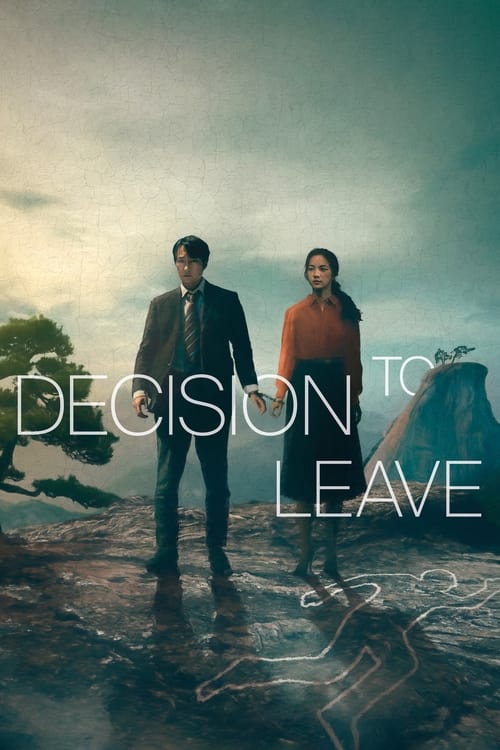
Decision to Leave
2022 · Directed by Park Chan-wook
Woke Score
CriticCritic Score
Audience
Ultra Based
Critics rated this 67 points above its woke score. Among Ultra Based films, this critic score ranks #237 of 1469.
Representation Casting
Score: 15/100
Tang Wei, a Chinese-born actress, plays the central female role, and her character's immigrant status is plot-relevant. However, this reflects narrative necessity rather than progressive casting consciousness or commitment to diverse representation.
LGBTQ+ Themes
Score: 0/100
No LGBTQ+ themes, characters, or representation are present in the film.
Feminist Agenda
Score: 20/100
Seo-rae is a complex, morally ambiguous female character with intelligence and agency. However, she operates within traditional noir frameworks and the femme fatale archetype, not through modern feminist critique or consciousness-raising about gender structures.
Racial Consciousness
Score: 25/100
The film incorporates Seo-rae's status as a Chinese immigrant in Korea as part of her character positioning and outsider status. This acknowledgment serves the noir plot mechanics rather than engaging in systemic critique of xenophobia or racial inequality.
Climate Crusade
Score: 0/100
No climate-related themes, messaging, or environmental consciousness is present in the narrative.
Eat the Rich
Score: 0/100
The film contains no anti-capitalist messaging, class consciousness, or critique of economic systems. The victim is a retired government official, and economic structures are not interrogated.
Body Positivity
Score: 0/100
No body-positive messaging or progressive representation of diverse body types appears in the film.
Neurodivergence
Score: 15/100
The detective protagonist's chronic insomnia is portrayed as a character trait affecting his investigation and emotional availability. This functions as a plot device and character quirk rather than as progressive neurodivergent representation or advocacy.
Revisionist History
Score: 0/100
The film is a contemporary thriller with no historical setting or revisionist historical framing.
Lecture Energy
Score: 10/100
The film maintains classical cinematic language focused on visual storytelling and emotional subtlety. Park Chan-wook's stated concern with love and human understanding is expressed through formal cinema rather than preachy exposition or social messaging.


Synopsis
From a mountain peak in South Korea, a man plummets to his death. Did he jump, or was he pushed? When detective Hae-joon arrives on the scene, he begins to suspect the dead man's wife Seo-rae. But as he digs deeper into the investigation, he finds himself trapped in a web of deception and desire.
Consciousness Assessment
Park Chan-wook's "Decision to Leave" is a masterwork of classical cinema that treats the investigation of love and deception with the formal precision of a Swiss watchmaker. The film belongs to the tradition of Hitchcockian noir, where visual sophistication and psychological complexity supersede any impulse toward contemporary social messaging. Tang Wei's Seo-rae is a morally compromised character of genuine complexity, yet she functions within the familiar frameworks of the femme fatale archetype rather than as a vehicle for progressive commentary on gender dynamics or the representation of women in cinema.
The film acknowledges its protagonist's status as a Chinese immigrant in South Korea, but this element serves the narrative's architecture of outsider vulnerability and moral ambiguity rather than engaging in systemic critique of xenophobia or migration policy. The detective's chronic insomnia becomes a character trait that complicates his investigation and emotional availability, but the film makes no claim to progressive neurodivergent representation. These details enrich the human dimensions of the story without announcing themselves as social consciousness.
The restraint of "Decision to Leave," its refusal to lecture, and its commitment to formal elegance over ideological statement render it almost defiantly indifferent to contemporary cultural preoccupations. Park Chan-wook has constructed a work concerned with the eternal mechanics of desire, trust, and the impossibility of truly knowing another person. This is cinema in service of mystery and beauty, not consciousness-raising.
Analysis generated by our Consciousness Algorithm
Critic Reviews
“It’s a gorgeously and grippingly made picture and Tang Wei is magnificent.”
“Crafted with unforced humor, ravishing visuals and commanding maturity, Decision to Leave intoxicates with its potent brew of love, emotional manipulation — or is it? —and obsession.”
“After the world-conquering success of Bong Joon-ho’s “Parasite” and the small-screen domination of “Squid Game,” your new, sublimely accomplished Korean thriller obsession is here, and it is Park Chan-wook’s Decision to Leave.”
“Needlessly complicated and at times almost impossible to follow, its narrative inscrutability often coming across less as the result of nonlinear storytelling than as simply a cinematic affectation.”
Consciousness Markers
Tang Wei, a Chinese-born actress, plays the central female role, and her character's immigrant status is plot-relevant. However, this reflects narrative necessity rather than progressive casting consciousness or commitment to diverse representation.
No LGBTQ+ themes, characters, or representation are present in the film.
Seo-rae is a complex, morally ambiguous female character with intelligence and agency. However, she operates within traditional noir frameworks and the femme fatale archetype, not through modern feminist critique or consciousness-raising about gender structures.
The film incorporates Seo-rae's status as a Chinese immigrant in Korea as part of her character positioning and outsider status. This acknowledgment serves the noir plot mechanics rather than engaging in systemic critique of xenophobia or racial inequality.
No climate-related themes, messaging, or environmental consciousness is present in the narrative.
The film contains no anti-capitalist messaging, class consciousness, or critique of economic systems. The victim is a retired government official, and economic structures are not interrogated.
No body-positive messaging or progressive representation of diverse body types appears in the film.
The detective protagonist's chronic insomnia is portrayed as a character trait affecting his investigation and emotional availability. This functions as a plot device and character quirk rather than as progressive neurodivergent representation or advocacy.
The film is a contemporary thriller with no historical setting or revisionist historical framing.
The film maintains classical cinematic language focused on visual storytelling and emotional subtlety. Park Chan-wook's stated concern with love and human understanding is expressed through formal cinema rather than preachy exposition or social messaging.