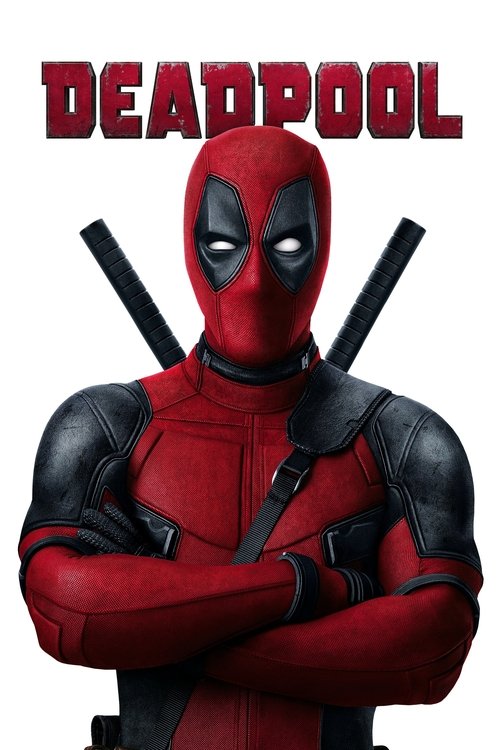
Deadpool
2016 · Directed by Tim Miller
Woke Score
CriticCritic Score
Audience
Ultra Based
Critics rated this 47 points above its woke score. Among Ultra Based films, this critic score ranks #766 of 1469.
Representation Casting
Score: 35/100
The cast is visibly diverse with actors of color in prominent roles, including Morena Baccarin, Gina Carano, and others. However, this diversity feels incidental to the narrative rather than thematically intentional.
LGBTQ+ Themes
Score: 30/100
Brianna Hildebrand plays Negasonic Teenage Warhead, who has a girlfriend. The representation exists but is understated and not central to the plot.
Feminist Agenda
Score: 25/100
Gina Carano plays an action role, and female characters exist in the narrative, but there is no particular feminist agenda or commentary on gender dynamics.
Racial Consciousness
Score: 15/100
While the cast includes people of various ethnicities, the film shows no particular consciousness of race as a theme or social issue.
Climate Crusade
Score: 0/100
No climate-related themes or environmental consciousness present in the film.
Eat the Rich
Score: 5/100
The protagonist is a mercenary motivated by personal revenge, not social critique. No economic analysis or anti-capitalist messaging emerges.
Body Positivity
Score: 10/100
Wade's scarred appearance is central to the plot, but the film treats this as a source of humor rather than body-positive affirmation.
Neurodivergence
Score: 0/100
No representation or discussion of neurodivergence or disability as a social consciousness matter.
Revisionist History
Score: 0/100
The film contains no historical content or revisionist historical claims.
Lecture Energy
Score: 10/100
The film's tone actively resists preachiness through self-aware humor and irreverence. It has no interest in instructing the audience about social issues.


Synopsis
The origin story of former Special Forces operative turned mercenary Wade Wilson, who, after being subjected to a rogue experiment that leaves him with accelerated healing powers, adopts the alter ego Deadpool. Armed with his new abilities and a dark, twisted sense of humor, Deadpool hunts down the man who nearly destroyed his life.
Consciousness Assessment
Deadpool presents itself as an anarchic corrective to the self-serious superhero industrial complex, and in doing so, it largely sidesteps the progressive pieties that would come to dominate comic book cinema. The film's commitment to transgressive humor and meta-textual awareness serves as a kind of cultural immune response to earnestness. While the cast is demonstrably diverse, this diversity functions as window dressing rather than thematic substance. Brianna Hildebrand's character is lesbian, Gina Carano inhabits an action-hero role, and Stefan Kapičić provides international flavor as a Russian Colossus, yet none of these casting choices announces itself with the portentous gravity that would characterize later superhero efforts.
The film's true allegiance lies with irreverence rather than ideology. Wade Wilson's fourth-wall breaking and crude asides operate as a kind of meta-commentary on the very notion of cinematic messaging. The romance between Wade and Vanessa, while featuring two people of color in lead roles, follows conventional romantic comedy beats without interrogating power dynamics or offering revisionist takes on gender. The script has no interest in climate consciousness, economic critique, or structural analysis of any kind. It wants only to puncture pretension and deliver gratuitous violence with a smirk.
What prevents this from scoring even lower is the simple fact of the cast's composition. The film does not go out of its way to exclude or diminish its diverse ensemble, and the presence of an LGBTQ character, however unforced, registers in the arithmetic. But Deadpool remains fundamentally a film about a man's personal vendetta, not a meditation on society's inequities. It is, in the end, too busy laughing at itself to lecture anyone else.
Analysis generated by our Consciousness Algorithm
Critic Reviews
“Deadpool is one of those movies that’s all the more successful for how easily it could have gone so very wrong. It’s suffused with an arch, self-aware wit...yet it takes its romance and revenge storylines just seriously enough to keep us engaged.”
“It’s a voraciously self-aware comedy, one that dines out on the inherent inanity of its own premise as much as it does the movies it’s competing with.”
“Smart, sexy and outrageous, Deadpool delivers.”
“This is bad, borderline garbage, but disturbing, too, in that it’s just the kind of fake-clever awfulness that might be cinema’s future.”
Consciousness Markers
The cast is visibly diverse with actors of color in prominent roles, including Morena Baccarin, Gina Carano, and others. However, this diversity feels incidental to the narrative rather than thematically intentional.
Brianna Hildebrand plays Negasonic Teenage Warhead, who has a girlfriend. The representation exists but is understated and not central to the plot.
Gina Carano plays an action role, and female characters exist in the narrative, but there is no particular feminist agenda or commentary on gender dynamics.
While the cast includes people of various ethnicities, the film shows no particular consciousness of race as a theme or social issue.
No climate-related themes or environmental consciousness present in the film.
The protagonist is a mercenary motivated by personal revenge, not social critique. No economic analysis or anti-capitalist messaging emerges.
Wade's scarred appearance is central to the plot, but the film treats this as a source of humor rather than body-positive affirmation.
No representation or discussion of neurodivergence or disability as a social consciousness matter.
The film contains no historical content or revisionist historical claims.
The film's tone actively resists preachiness through self-aware humor and irreverence. It has no interest in instructing the audience about social issues.