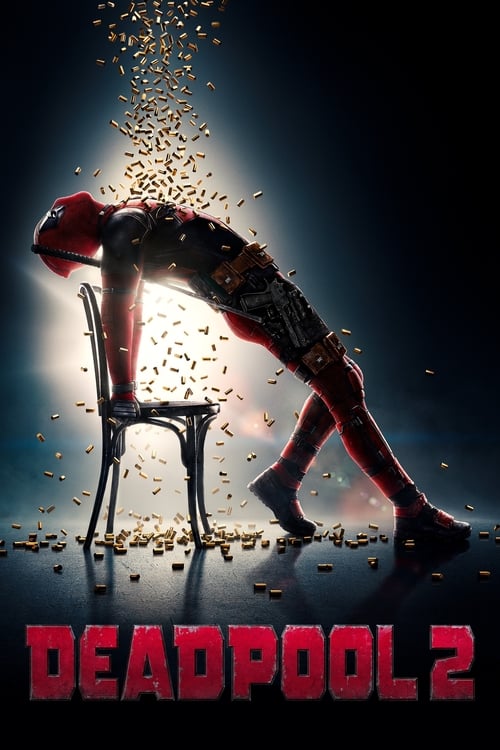
Deadpool 2
2018 · Directed by David Leitch
Woke Score
CriticCritic Score
Audience
Based
Critics rated this 44 points above its woke score. Among Based films, this critic score ranks #189 of 345.
Representation Casting
Score: 45/100
Diverse ensemble cast including Zazie Beetz and Morena Baccarin, though minority actors primarily occupy supporting roles without particular narrative prominence.
LGBTQ+ Themes
Score: 35/100
Negasonic Warhead's relationship with Yukio is depicted openly but receives minimal screen time and emotional development, treated as incidental detail rather than thematic focus.
Feminist Agenda
Score: 30/100
Female characters exist throughout but the film refrains from foregrounding feminist themes or ideology, with women largely functioning as supporting players in Deadpool's narrative.
Racial Consciousness
Score: 20/100
Characters of color are present but the film exhibits no meaningful exploration of racial identity or consciousness, treating diversity as demographic fact rather than thematic material.
Climate Crusade
Score: 0/100
Environmental or climate concerns are entirely absent from the film's narrative, themes, or visual language.
Eat the Rich
Score: 15/100
Cable functions as the antagonist but his villainy stems from temporal mechanics and personal vendetta rather than any coherent critique of wealth or capitalism.
Body Positivity
Score: 0/100
The film contains no messaging or thematic engagement with body positivity, body acceptance, or body diversity.
Neurodivergence
Score: 0/100
Neurodivergence and related disability representation are not meaningfully present in the film's narrative or characterization.
Revisionist History
Score: 0/100
The film does not engage with historical narratives or attempt to revise established historical accounts.
Lecture Energy
Score: 10/100
The film deliberately maintains its comedic tone and actively undercuts any tendency toward earnest messaging or preachy content, working against preachy sensibilities.


Synopsis
Wisecracking mercenary Deadpool battles the evil and powerful Cable and other bad guys to save a boy's life.
Consciousness Assessment
Deadpool 2 occupies an intriguing middle position in the contemporary cultural landscape, neither aggressively progressive nor reactionary, instead opting for the safer strategy of casual inclusivity wrapped in anarchic comedy. The film assembles a reasonably diverse cast, though this diversity functions primarily as visual texture rather than narrative substance. Zazie Beetz brings genuine charm to Domino, yet her character remains subordinate to the protagonist's whims and comedic rhythms. The inclusion of Negasonic Warhead's relationship with Yukio deserves consideration, though the film treats this element with the same throwaway indifference it applies to most emotional content, rendering it simultaneously progressive and hollow.
The film's relationship to progressive sensibilities can be characterized as accommodation without commitment. It includes the markers of contemporary cultural awareness while maintaining strategic distance from any genuine ideological positions. There is no interrogation of power structures, no climate consciousness, no sustained engagement with questions of equity or representation. The humor operates in a register that explicitly rejects earnestness, which paradoxically insulates the film from criticism while also preventing any authentic engagement with its own casting choices.
Deadpool 2 has absorbed the surface grammar of progressive casting without internalizing its implications. This represents the baseline expectation for major studio productions in 2018, not an achievement worth celebrating. The movie succeeds on its own terms as action comedy, but those terms explicitly exclude the kind of thematic depth that would elevate its progressive elements beyond mere demographic window dressing.
Analysis generated by our Consciousness Algorithm
Critic Reviews
“Far from lazy, it is a fairly brilliant sendup of comic-book action movies, as well as also being an excellent example of one.”
“The film ends on a remarkably touching emotional note. Had it held to the strength of its convictions—and it is immensely obvious why it did not—it might have been the best ending of any superhero movie to date. (No, the bar’s not terribly high.) But it’s nonetheless awfully good, and we can still look forward to, mid-credits, the world’s best-ever Green Lantern joke.”
“A superhero movie so tightly made and brilliantly entertaining that even Deadpool himself would have trouble finding fault with it.”
Consciousness Markers
Diverse ensemble cast including Zazie Beetz and Morena Baccarin, though minority actors primarily occupy supporting roles without particular narrative prominence.
Negasonic Warhead's relationship with Yukio is depicted openly but receives minimal screen time and emotional development, treated as incidental detail rather than thematic focus.
Female characters exist throughout but the film refrains from foregrounding feminist themes or ideology, with women largely functioning as supporting players in Deadpool's narrative.
Characters of color are present but the film exhibits no meaningful exploration of racial identity or consciousness, treating diversity as demographic fact rather than thematic material.
Environmental or climate concerns are entirely absent from the film's narrative, themes, or visual language.
Cable functions as the antagonist but his villainy stems from temporal mechanics and personal vendetta rather than any coherent critique of wealth or capitalism.
The film contains no messaging or thematic engagement with body positivity, body acceptance, or body diversity.
Neurodivergence and related disability representation are not meaningfully present in the film's narrative or characterization.
The film does not engage with historical narratives or attempt to revise established historical accounts.
The film deliberately maintains its comedic tone and actively undercuts any tendency toward earnest messaging or preachy content, working against preachy sensibilities.