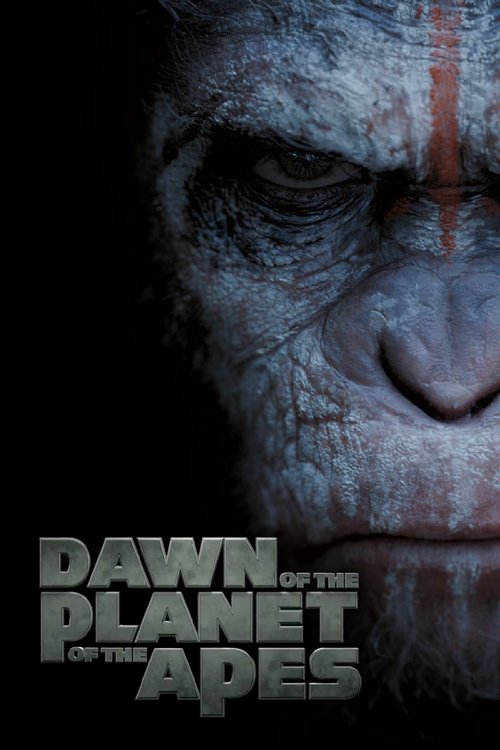
Dawn of the Planet of the Apes
2014 · Directed by Matt Reeves
Woke Score
CriticCritic Score
Audience
Ultra Based
Critics rated this 64 points above its woke score. Among Ultra Based films, this critic score ranks #384 of 1469.
Representation Casting
Score: 25/100
The cast includes racial diversity with Keri Russell and Jason Clarke, but this appears incidental to the story rather than a deliberate progressive statement about representation.
LGBTQ+ Themes
Score: 0/100
No LGBTQ+ characters, relationships, or themes are present in the narrative.
Feminist Agenda
Score: 15/100
Keri Russell provides a capable female presence, but the character is secondary to the male-driven conflict and lacks feminist agency or commentary.
Racial Consciousness
Score: 20/100
While the ape-human conflict could be read as allegory, the film predates modern woke sensibilities and frames the conflict as tribal rather than racial or systemic.
Climate Crusade
Score: 10/100
A plague has decimated humanity, but the film treats this as plot device rather than environmental commentary or climate crusade.
Eat the Rich
Score: 5/100
No critique of capitalism, corporate power, or wealth inequality is evident in the narrative.
Body Positivity
Score: 0/100
Body positivity is not a theme in this action-thriller about species conflict.
Neurodivergence
Score: 0/100
Neurodivergence is not addressed or represented in the film.
Revisionist History
Score: 0/100
The film is set in a fictional post-apocalyptic future and contains no revisionist historical themes.
Lecture Energy
Score: 10/100
The film prioritizes action and spectacle over preachy commentary or lectures about social issues.


Synopsis
A group of scientists in San Francisco struggle to stay alive in the aftermath of a plague that is wiping out humanity, while Caesar tries to maintain dominance over his community of intelligent apes.
Consciousness Assessment
Dawn of the Planet of the Apes arrives as a work of pure blockbuster craft, concerned primarily with the logistics of conflict between two species rather than the navigation of contemporary social anxieties. Matt Reeves has constructed a film of considerable technical achievement, where motion capture technology serves the narrative of survival and territorial struggle. Andy Serkis's performance as Caesar carries the film's emotional weight, but the project remains committed to spectacle over commentary.
The human characters occupy the margins of their own story, functioning as obstacles in Caesar's journey toward establishing ape dominance. Keri Russell and Jason Clarke perform their roles competently, but their arc involves little in the way of social consciousness. The plague that decimated humanity serves as plot device rather than vehicle for exploring environmental or systemic themes. We are meant to watch this catastrophe unfold without questioning its origins or preventability.
This is a film that asks us to root for Caesar's tribe against human intrusion, but it does so without the apparatus of modern progressive sensibility. The conflict remains tribal and personal, untethered from commentary on power structures, representation, or justice. For those tracking the cultural markers of the 2020s, this 2014 artifact offers almost nothing to catalog. It is simply a well-made action film about apes and humans competing for survival in a post-plague world.
Analysis generated by our Consciousness Algorithm
Critic Reviews
“"Dawn" is not just a good genre movie or a good summer movie. It's a great science-fiction film, full-stop, and one of the year's very best movies so far.”
“Dawn of the Planet of the Apes manages to do at least three things exceptionally well that are hard enough to pull off individually: Maintain a simmering level of tension without let-up for two hours, seriously improve on a very good first entry in a franchise and produce a powerful humanistic statement using a significantly simian cast of characters.”
“An altogether smashing sequel to 2011′s better-than-expected “Rise of the Planet of the Apes,” this vivid, violent extension of humanoid ape Caesar’s troubled quest for independence bests its predecessor in nearly every technical and conceptual department.”
“Any film that begins with one of those fake-news montages, where snippets of genuine CNN footage are stitched together to concoct a feeling of semi-urgency around its hackneyed apocalypse, already sucks even before it gets started. ”
Consciousness Markers
The cast includes racial diversity with Keri Russell and Jason Clarke, but this appears incidental to the story rather than a deliberate progressive statement about representation.
No LGBTQ+ characters, relationships, or themes are present in the narrative.
Keri Russell provides a capable female presence, but the character is secondary to the male-driven conflict and lacks feminist agency or commentary.
While the ape-human conflict could be read as allegory, the film predates modern woke sensibilities and frames the conflict as tribal rather than racial or systemic.
A plague has decimated humanity, but the film treats this as plot device rather than environmental commentary or climate crusade.
No critique of capitalism, corporate power, or wealth inequality is evident in the narrative.
Body positivity is not a theme in this action-thriller about species conflict.
Neurodivergence is not addressed or represented in the film.
The film is set in a fictional post-apocalyptic future and contains no revisionist historical themes.
The film prioritizes action and spectacle over preachy commentary or lectures about social issues.