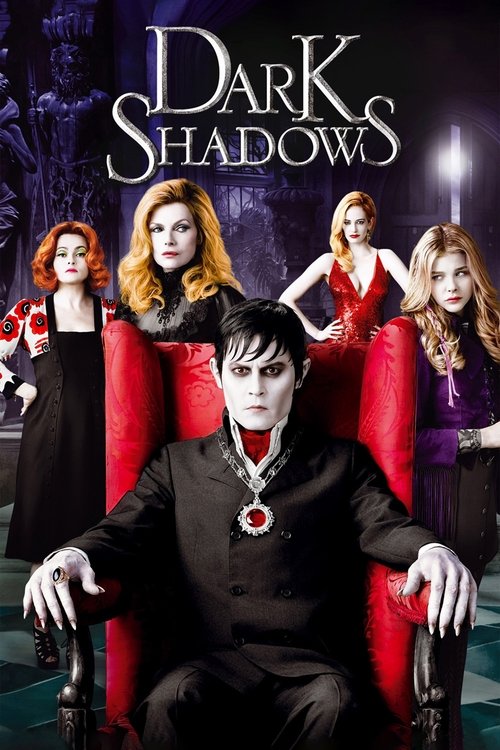
Dark Shadows
2012 · Directed by Tim Burton
Woke Score
CriticCritic Score
Audience
Ultra Based
Critics rated this 51 points above its woke score. Among Ultra Based films, this critic score ranks #1047 of 1469.
Representation Casting
Score: 15/100
The film features women and minorities in the cast, but their roles are traditional and not interrogated through a social consciousness lens. Representation is present but unremarkable.
LGBTQ+ Themes
Score: 0/100
No evidence of LGBTQ+ themes, representation, or narrative elements in the film.
Feminist Agenda
Score: 0/100
While women occupy significant roles, there is no feminist agenda or interrogation of gender dynamics. Female characters serve traditional narrative functions.
Racial Consciousness
Score: 0/100
No evidence of racial consciousness, commentary, or thematic engagement with race in the film.
Climate Crusade
Score: 0/100
No environmental or climate-related themes, messaging, or consciousness present in the narrative.
Eat the Rich
Score: 0/100
The film centers on family wealth restoration and contains no critique of capitalism or class structures.
Body Positivity
Score: 0/100
No body positivity messaging, disability representation, or interrogation of physical appearance standards.
Neurodivergence
Score: 0/100
No representation of neurodivergent characters or themes related to neurodiversity.
Revisionist History
Score: 0/100
The 1972 setting is used for comedic purposes but not for historical revisionism or reframing of historical events.
Lecture Energy
Score: 0/100
The film contains no preachy or preachy elements designed to educate audiences about social issues.


Synopsis
Vampire Barnabas Collins is inadvertently freed from his tomb and emerges into the very changed world of 1972. He returns to Collinwood Manor to find that his once-grand estate and family have fallen into ruin.
Consciousness Assessment
Dark Shadows is a comedic fantasy film that operates as a pastiche of Gothic horror and 1970s culture. It contains no meaningful engagement with contemporary social consciousness markers. The film's cast, while including women in significant roles (Michelle Pfeiffer, Eva Green, Helena Bonham Carter, Chloë Grace Moretz), operates within a fundamentally traditional narrative structure focused on restoring a family's status quo rather than interrogating social hierarchies. The 1972 setting is used primarily for comedic anachronism rather than historical examination.
The film's humor derives from Barnabas Collins' bewilderment at 1970s culture, but this satire remains apolitical and nostalgic. Women characters exist in the narrative but are not positioned as subjects of feminist interrogation or empowerment arcs. The film's central concern is family restoration and comedic fish-out-of-water scenarios, not social critique. Tim Burton's distinctive visual style and the ensemble cast's performances create entertainment value, but this entertainment is divorced from contemporary social consciousness.
The film exists in a pre-woke sensibility, concerned with genre pastiche and character-driven comedy rather than the progressive sensibilities that would become culturally dominant by the late 2010s. There is no evidence of LGBTQ+ thematic content, racial consciousness beyond surface-level casting, environmental messaging, anti-capitalist critique, body positivity discourse, neurodivergent representation, revisionist historical framing, or the preachy lecture energy associated with contemporary progressive cinema.
Analysis generated by our Consciousness Algorithm
Critic Reviews
“Dark Shadows isn't among Mr. Burton's most richly realized works, but it's very enjoyable, visually sumptuous and, despite its lugubrious source material and a sporadic tremor of violence, surprisingly effervescent.”
“Depp's performance is more than just funny - it's ghoulishly endearing.”
“It's a great time at the movies and a wickedly clever cinematic treat.”
“Dark Shadows doesn't know where it wants to dwell: in the eerie, subversive penumbra suggested by its title or in playful, go-for-broke camp.”
Consciousness Markers
The film features women and minorities in the cast, but their roles are traditional and not interrogated through a social consciousness lens. Representation is present but unremarkable.
No evidence of LGBTQ+ themes, representation, or narrative elements in the film.
While women occupy significant roles, there is no feminist agenda or interrogation of gender dynamics. Female characters serve traditional narrative functions.
No evidence of racial consciousness, commentary, or thematic engagement with race in the film.
No environmental or climate-related themes, messaging, or consciousness present in the narrative.
The film centers on family wealth restoration and contains no critique of capitalism or class structures.
No body positivity messaging, disability representation, or interrogation of physical appearance standards.
No representation of neurodivergent characters or themes related to neurodiversity.
The 1972 setting is used for comedic purposes but not for historical revisionism or reframing of historical events.
The film contains no preachy or preachy elements designed to educate audiences about social issues.