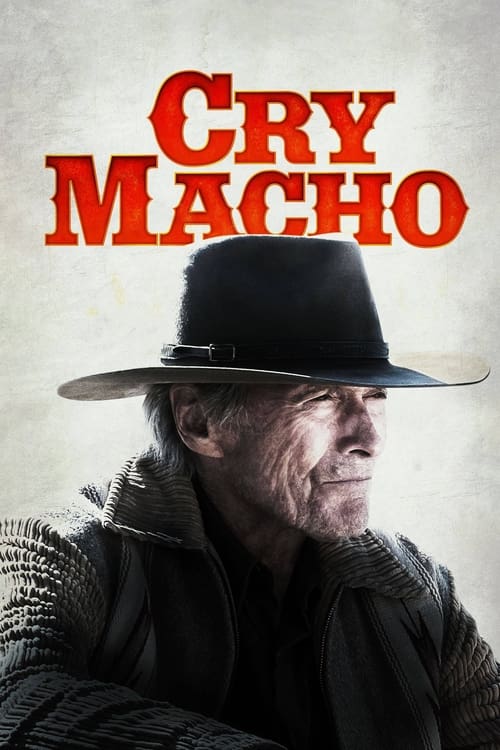
Cry Macho
2021 · Directed by Clint Eastwood
Woke Score
CriticCritic Score
Audience
Ultra Based
Critics rated this 50 points above its woke score. Among Ultra Based films, this critic score ranks #950 of 1469.
Representation Casting
Score: 20/100
Mexican and Latino actors appear in supporting roles, but they are underdeveloped characters serving primarily as background to the central male narrative.
LGBTQ+ Themes
Score: 0/100
No LGBTQ+ themes, characters, or representation present in the film.
Feminist Agenda
Score: 5/100
The narrative is entirely male-centered, with the boy's mother portrayed as an alcoholic complication rather than a full character. Female presence is minimal.
Racial Consciousness
Score: 10/100
While set in Mexico, the film treats the country and its culture as backdrop without meaningful engagement or cultural consciousness.
Climate Crusade
Score: 0/100
No climate-related themes or messaging present in the film.
Eat the Rich
Score: 0/100
No systemic critique or anti-capitalist messaging, despite the protagonist being economically disadvantaged.
Body Positivity
Score: 0/100
Eastwood's aging body is presented without commentary on body diversity or contemporary body-positive messaging.
Neurodivergence
Score: 0/100
No representation of or thematic engagement with neurodivergence.
Revisionist History
Score: 0/100
The 1979 setting does not attempt revisionist historical narratives or reinterpretation of historical events.
Lecture Energy
Score: 5/100
The film is character-driven with minimal preachy messaging, though its themes of masculine redemption carry implicit rather than explicit moralizing.


Synopsis
A one-time rodeo star and washed-up horse breeder takes a job from an ex-boss to bring the man's young son home from Mexico.
Consciousness Assessment
Cry Macho is a film that exists in almost willful indifference to the cultural preoccupations of its era. Directed by and starring Clint Eastwood in his 91st year, it is a throwback to the classical Western tradition, concerned primarily with masculine redemption and the passage of time. The narrative follows an aging rodeo hand retrieving a boy from Mexico, a premise that generates no particular cultural anxiety or progressive sensibility. The Mexican setting and supporting cast serve as mere scenery rather than vehicles for any meaningful exploration of cross-cultural consciousness or systemic critique.
What emerges from the film is a deeply traditional vision of masculine worth through physical prowess and emotional stoicism. The boy's mother is presented as an obstacle, an alcoholic complication rather than a character of substance. The narrative centers entirely on the relationship between two men, with women functioning primarily as problems to overcome. There is no attempt at interrogating these dynamics or offering contemporary perspective on gender or family structures.
The film's box office performance reflected its limited appeal to modern audiences. With a $33 million budget yielding only $14.7 million in domestic gross, it failed to find an audience for its anachronistic sensibilities. Critics noted its competence as a character study but found little urgency or relevance in its meditation on aging. For those seeking any markers of contemporary progressive consciousness, the film offers virtually nothing. It is, in its own way, admirably unreconstructed.
Analysis generated by our Consciousness Algorithm
Critic Reviews
“Clunky and cranky in the most charming of ways, the film always moves in sync with its 91-year-old star, lingering on moments of solitude for long periods while brushing past more traditional plot points with ease. ”
“Clint may be playing the hits in Cry Macho, but boy, are the notes lovelier than ever.”
“These small events transpire in beautifully shot, unhurried scenes. This is Eastwood’s version of pastoral. Mike pieces his ruined life back together in a sense. He finds pleasure in being of service to a community. The professed agnostic takes Marta’s hand when she prays to begin a meal, and likes it. The simple sincerity about what’s worthwhile in life is the movie’s reason for being. Nothing more and nothing less. ”
“The film is apparently supposed to be a meditation on masculinity, with Eastwood’s one-time rodeo star Mike Milo taming and rebuilding his young rebellious charge into an honorable young man. Instead, it’s a meditation on clumsy and predictable filmmaking.”
Consciousness Markers
Mexican and Latino actors appear in supporting roles, but they are underdeveloped characters serving primarily as background to the central male narrative.
No LGBTQ+ themes, characters, or representation present in the film.
The narrative is entirely male-centered, with the boy's mother portrayed as an alcoholic complication rather than a full character. Female presence is minimal.
While set in Mexico, the film treats the country and its culture as backdrop without meaningful engagement or cultural consciousness.
No climate-related themes or messaging present in the film.
No systemic critique or anti-capitalist messaging, despite the protagonist being economically disadvantaged.
Eastwood's aging body is presented without commentary on body diversity or contemporary body-positive messaging.
No representation of or thematic engagement with neurodivergence.
The 1979 setting does not attempt revisionist historical narratives or reinterpretation of historical events.
The film is character-driven with minimal preachy messaging, though its themes of masculine redemption carry implicit rather than explicit moralizing.