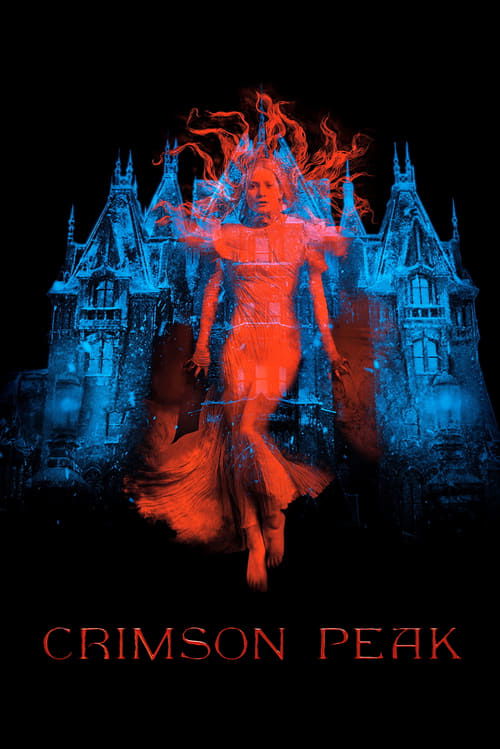
Crimson Peak
2015 · Directed by Guillermo del Toro
Woke Score
CriticCritic Score
Audience
Ultra Based
Critics rated this 62 points above its woke score. Among Ultra Based films, this critic score ranks #731 of 1469.
Representation Casting
Score: 10/100
The film centers female characters in leading roles, particularly Mia Wasikowska's Edith as the protagonist, but the cast is entirely white with no meaningful racial diversity.
LGBTQ+ Themes
Score: 0/100
No LGBTQ+ representation or thematic content is present in the film.
Feminist Agenda
Score: 45/100
Del Toro explicitly designed the film to center female agency and render male characters ineffectual, with themes of gender violence and female survival, though critics disputed whether this constitutes genuine feminist triumph.
Racial Consciousness
Score: 0/100
No racial themes, consciousness, or representation beyond an all-white cast is evident in the film.
Climate Crusade
Score: 0/100
There is no environmental or climate-related messaging in the film.
Eat the Rich
Score: 0/100
While the film features class dynamics in its Victorian setting, there is no explicit anti-capitalist messaging or social critique.
Body Positivity
Score: 0/100
No body positivity themes or representation are present in the film.
Neurodivergence
Score: 0/100
There is no representation of neurodivergence or related themes in the film.
Revisionist History
Score: 0/100
The film uses a Victorian gothic setting but does not engage in revisionist historical messaging in the contemporary progressive sense.
Lecture Energy
Score: 0/100
The film does not employ heavy-handed preachy messaging or explicit social lectures about contemporary issues.


Synopsis
In the aftermath of a family tragedy, an aspiring author is torn between love for her childhood friend and the temptation of a mysterious outsider. Trying to escape the ghosts of her past, she is swept away to a house that breathes, bleeds… and remembers.
Consciousness Assessment
Guillermo del Toro's 2015 gothic romance arrives at the cultural moment when directors began to speak openly about their intentions regarding gender representation, and it is here that "Crimson Peak" plants its modest flag. The film centers a capable female protagonist in Edith, a writer who drives her own narrative through intelligence and determination rather than passive victimhood. Del Toro's explicit statement that he rendered every male character functionally useless suggests an authorial commitment to female agency that distinguishes the work from its Victorian-era source material. The film engages with themes of gender violence and trauma in a period setting, using the gothic mansion as a metaphor for domestic oppression, which allows for a certain thematic resonance with contemporary discussions of female vulnerability and survival.
However, the gap between intention and execution proves instructive. Critics at the time noted that whatever feminist sensibilities the film possessed did not constitute a genuine triumph of progressive representation. The narrative ultimately resolves through rescue and revelation rather than autonomous female triumph, and the film's engagement with gender violence, while present, never rises to the level of explicit social commentary or consciousness-raising. The work remains primarily a genre exercise, a beautifully appointed gothic confection that happens to center female characters without interrogating the systems that oppress them. The all-white cast and absence of any meaningful racial consciousness further limit its claims to broader social awareness.
The film's modest woke scoring reflects its position as a transitional work, emerging from a moment when filmmakers were beginning to think seriously about representation without yet possessing the vocabulary or commitment to integrate such concerns into every aspect of production. It is competent gothic entertainment with a female protagonist, which is not nothing, but neither is it the watershed moment its director seemed to believe it represented.
Analysis generated by our Consciousness Algorithm
Critic Reviews
“Crimson Peak's atmosphere crackles with sexual passion and dark secrets. There are a couple of monsters (supernatural and human), but the gigantic emotions are the most terrifying thing onscreen. ”
“Guillermo del Toro's fussiest, most compartmentalized construction, filled with the most powerful sense of repression and delusion. ”
“Guillermo del Toro’s latest dive into the darkness is a sumptuous, beautifully constructed tale that feels both archaic and inviting.”
“The film by the stylish fantasist Guillermo del Toro looks marvelous, but has a vein of narrative muck at its core.”
Consciousness Markers
The film centers female characters in leading roles, particularly Mia Wasikowska's Edith as the protagonist, but the cast is entirely white with no meaningful racial diversity.
No LGBTQ+ representation or thematic content is present in the film.
Del Toro explicitly designed the film to center female agency and render male characters ineffectual, with themes of gender violence and female survival, though critics disputed whether this constitutes genuine feminist triumph.
No racial themes, consciousness, or representation beyond an all-white cast is evident in the film.
There is no environmental or climate-related messaging in the film.
While the film features class dynamics in its Victorian setting, there is no explicit anti-capitalist messaging or social critique.
No body positivity themes or representation are present in the film.
There is no representation of neurodivergence or related themes in the film.
The film uses a Victorian gothic setting but does not engage in revisionist historical messaging in the contemporary progressive sense.
The film does not employ heavy-handed preachy messaging or explicit social lectures about contemporary issues.