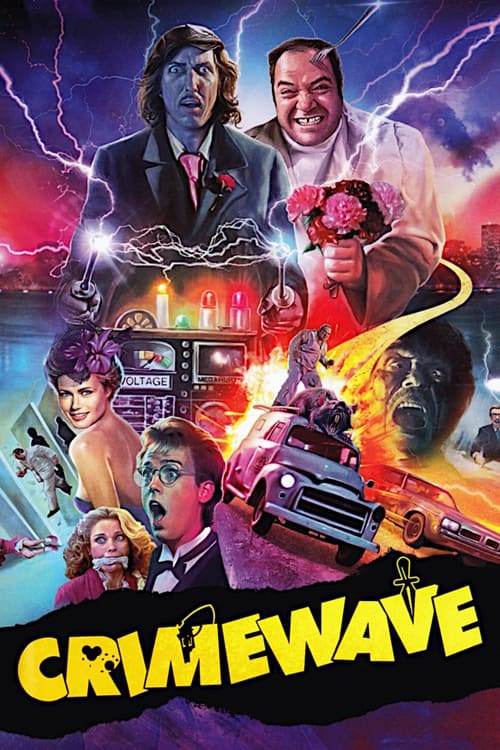
Crimewave
1985 · Directed by Sam Raimi
Woke Score
Critic Score
Audience
Ultra Based
Critics rated this 41 points above its woke score. Among Ultra Based films, this critic score ranks #814 of 833.
Representation Casting
Score: 5/100
The cast includes women and actors of diverse backgrounds, but this appears entirely driven by narrative casting needs rather than conscious representation strategy. No particular emphasis is placed on diversity.
LGBTQ+ Themes
Score: 0/100
No LGBTQ+ themes, characters, or subtext present in the film.
Feminist Agenda
Score: 0/100
The female characters exist as plot devices within a male-centered narrative. There is no feminist agenda or commentary on gender dynamics.
Racial Consciousness
Score: 0/100
No racial consciousness or commentary regarding racial issues present in the film.
Climate Crusade
Score: 0/100
No climate-related themes or environmental messaging present.
Eat the Rich
Score: 0/100
While the plot involves corporate backstabbing, this is presented as narrative device, not ideological critique of capitalism.
Body Positivity
Score: 0/100
No body positivity messaging or representation of diverse body types as a statement present in the film.
Neurodivergence
Score: 0/100
No representation of neurodivergent characters or themes related to neurodiversity.
Revisionist History
Score: 0/100
No historical revisionism or reframing of historical narratives present.
Lecture Energy
Score: 0/100
The film contains no didactic moments attempting to educate viewers on social issues or contemporary politics.


Synopsis
A pair of whacked-out cartoon-like exterminator/hitmen kill the owner of a burglar-alarm company, and stalk the partner who hired them, his wife, and a nerd framed for the murder, who tells the story in flashback from the electric chair.
Consciousness Assessment
Crimewave stands as a monument to a time when filmmakers could assemble the finest talent, collaborate with the Coen Brothers, and produce a work of pure stylistic exuberance untethered from any discernible social consciousness. Sam Raimi's screwball crime pastiche arrives as a thoroughly pre-woke artifact, a film concerned exclusively with narrative momentum, visual gags, and the pleasures of B-movie homage. The presence of Frances McDormand and Sheree J. Wilson in the cast registers as simple casting necessity, not ideological positioning, and the film offers no commentary whatsoever on the gender dynamics at play. The two female characters exist within the plot because the plot requires them to exist there, nothing more.
What we observe here is a film almost aggressively disinterested in the cultural preoccupations that would come to dominate cinema three decades hence. There is no climate anxiety, no anti-capitalist posturing, no celebration of neurodivergence, no body positivity messaging, and certainly no lecture energy attempting to educate the audience on matters of systemic injustice. The hitmen are cartoonish villains. The protagonist is a nebbish security technician. The wife is a plot device. These characterizations exist to serve the comedy, not to advance any particular vision of representation or consciousness-raising. One might describe this as refreshing or tedious depending on one's temperament, but the classification remains clear: this is a film from an era when social positioning through narrative choice had not yet become a primary concern of mainstream cinema.
The film's only minor concession to something approaching contemporary sensibility is the mere fact of its ensemble cast containing actors of varying backgrounds, though even this is presented without the self-congratulation that would become standard practice. Crimewave remains what it was always intended to be: a cartoonish crime caper with no pretensions toward cultural significance or progressive virtue signaling.
Analysis generated by our Consciousness Algorithm
Critic Reviews
“It's quite an entertaining little effort, combining the craziest aspects of classic Hollywood screwball comedy with the kind of fresh insanity found in the great cartoons.”
“Very broad, very brash 'film noir' satire...The action is fast, flashy, sometimes funny, always loud.”
“It's full of film knowledge and is amazingly elaborate for a low-budget movie. The only problem is that it's not funny. One smiles at the inspiration of the jokes, though not at their execution.”
“Meant to be a nodding aside to the film buff, with plenty of in-jokes for the cognoscenti, Crimewave ends up as a random list in dire need of a good file-clerk.”
Consciousness Markers
The cast includes women and actors of diverse backgrounds, but this appears entirely driven by narrative casting needs rather than conscious representation strategy. No particular emphasis is placed on diversity.
No LGBTQ+ themes, characters, or subtext present in the film.
The female characters exist as plot devices within a male-centered narrative. There is no feminist agenda or commentary on gender dynamics.
No racial consciousness or commentary regarding racial issues present in the film.
No climate-related themes or environmental messaging present.
While the plot involves corporate backstabbing, this is presented as narrative device, not ideological critique of capitalism.
No body positivity messaging or representation of diverse body types as a statement present in the film.
No representation of neurodivergent characters or themes related to neurodiversity.
No historical revisionism or reframing of historical narratives present.
The film contains no didactic moments attempting to educate viewers on social issues or contemporary politics.