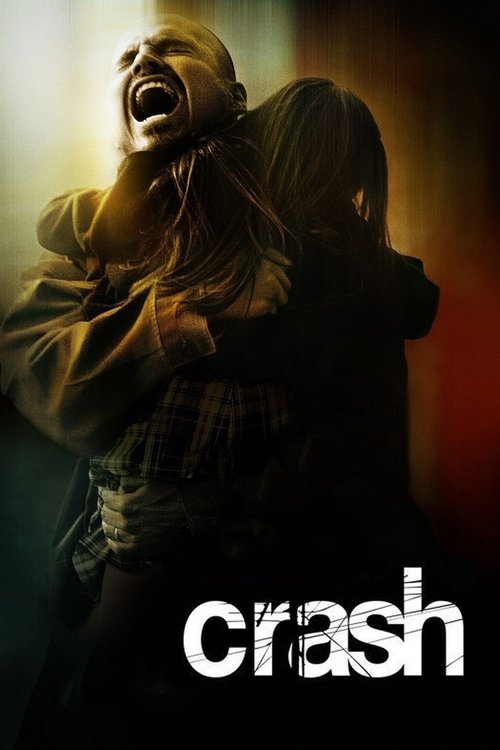
Crash
2005 · Directed by Paul Haggis
Woke Score
CriticCritic Score
Audience
Woke
Critics rated this 4 points above its woke score. Among Woke films, this critic score ranks #67 of 88.
Representation Casting
Score: 65/100
The film features a diverse ensemble cast including Black, Latino, Asian, Middle Eastern, and white actors. However, many characters function primarily as racial stereotypes rather than fully realized individuals.
LGBTQ+ Themes
Score: 0/100
No LGBTQ+ themes, characters, or storylines are present in the film.
Feminist Agenda
Score: 0/100
While a white female housewife character exists, the film contains no feminist agenda or meaningful examination of gender issues.
Racial Consciousness
Score: 70/100
The entire film explicitly engages with racial tensions and stereotypes in Los Angeles. However, the treatment is now widely regarded as superficial, relying on stereotype-reinforcement rather than genuine systemic analysis.
Climate Crusade
Score: 0/100
No environmental themes or climate-related content appears in the film.
Eat the Rich
Score: 0/100
The film contains no critique of capitalism or economic systems.
Body Positivity
Score: 0/100
No body positivity or body-related progressive themes are present.
Neurodivergence
Score: 0/100
No representation of neurodivergent characters or themes related to neurodiversity appears in the film.
Revisionist History
Score: 0/100
The film does not attempt to rewrite or reinterpret historical events.
Lecture Energy
Score: 75/100
The film is notorious for its preachy, preachy approach to racial themes. Characters deliver speeches about prejudice, followed by convenient moral awakenings, creating an unmistakable sense that the audience is being instructed rather than entertained.


Synopsis
In post-Sept. 11 Los Angeles, tensions erupt when the lives of a Brentwood housewife, her district attorney husband, a Persian shopkeeper, two cops, a pair of carjackers and a Korean couple converge during a 36-hour period.
Consciousness Assessment
Paul Haggis's "Crash" stands as a monument to the perils of well-intentioned artistic incompetence. The film assembles an admirably diverse ensemble cast and positions itself as a serious examination of racial prejudice in contemporary Los Angeles, deploying a multicultural tapestry of characters whose stories intersect across 36 hours. On the surface, this appears to be progressive cinema grappling with contemporary social fractures. The reality proves considerably more troublesome. Each character functions as a stereotype vehicle: the corrupt racist cop, the idealistic anti-racist cop, the carjacking criminals, the preyed-upon immigrant shopkeeper. The film's central conceit, that all these people are somehow connected by chance encounters and mutual misunderstandings, collapses under scrutiny. Rather than illuminate how racial prejudice operates systematically, the narrative suggests that individual moral awakening and interpersonal connection can resolve centuries of structural inequality.
The film's approach to racial consciousness reads less like analysis and more like pedagogy. Characters deliver speeches about their prejudices and misconceptions, often followed by convenient moments of redemption. A racist police officer learns empathy. A privileged white woman confronts her assumptions. These arcs feel engineered rather than earned, the product of a screenwriter determined to ensure the audience leaves the theater having received its lesson. The heavy-handedness extends to virtually every scene. A white man is mugged and blames Latino carjackers. A black police officer shoots an innocent black man. A Persian shopkeeper's daughter is presumed to be wearing a bomb. These incidents are not explored with any nuance; they are simply presented as examples of how prejudice manifests, then the film moves on.
The Academy's decision to award this film Best Picture remains one of the most bewildering Oscar mistakes in recent memory, a choice that reveals how easily prestigious institutions can mistake earnestness for insight. In the years since its release, "Crash" has become a cautionary tale about what happens when filmmakers mistake good intentions for good filmmaking, and when audiences and critics mistake explicit engagement with social issues for genuine cultural understanding. The film's legacy suggests a lesson worth learning: that representing diversity and addressing serious themes does not automatically produce meaningful art.
Analysis generated by our Consciousness Algorithm
Critic Reviews
“It's the most compelling American movie to come around in a long, long time.”
“Haggis writes with such directness and such a good ear for everyday speech that the characters seem real and plausible after only a few words. His cast is uniformly strong; the actors sidestep cliches and make their characters particular.”
“The stunning, must-see drama Crash is proof that words have not lost the ability to shock in our anesthetized society.”
“It might even have been a landmark film about race relations had its aura of blunt realism not been dispelled by a toxic cloud of dramaturgical pixie dust.”
Consciousness Markers
The film features a diverse ensemble cast including Black, Latino, Asian, Middle Eastern, and white actors. However, many characters function primarily as racial stereotypes rather than fully realized individuals.
No LGBTQ+ themes, characters, or storylines are present in the film.
While a white female housewife character exists, the film contains no feminist agenda or meaningful examination of gender issues.
The entire film explicitly engages with racial tensions and stereotypes in Los Angeles. However, the treatment is now widely regarded as superficial, relying on stereotype-reinforcement rather than genuine systemic analysis.
No environmental themes or climate-related content appears in the film.
The film contains no critique of capitalism or economic systems.
No body positivity or body-related progressive themes are present.
No representation of neurodivergent characters or themes related to neurodiversity appears in the film.
The film does not attempt to rewrite or reinterpret historical events.
The film is notorious for its preachy, preachy approach to racial themes. Characters deliver speeches about prejudice, followed by convenient moral awakenings, creating an unmistakable sense that the audience is being instructed rather than entertained.