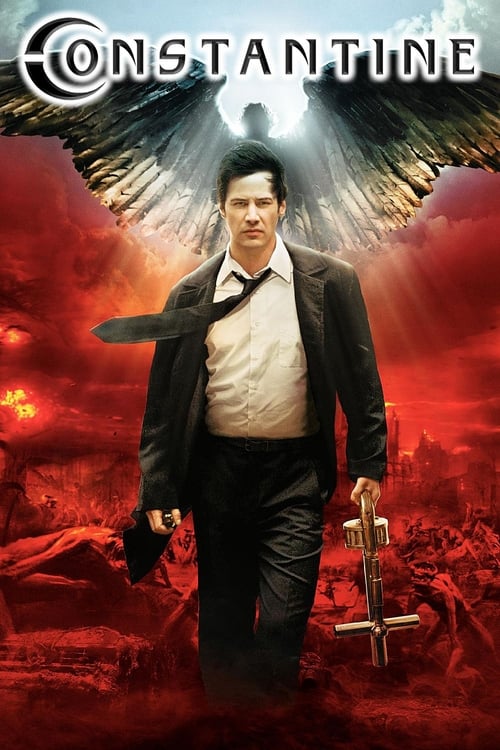
Constantine
2005 · Directed by Francis Lawrence
Woke Score
CriticCritic Score
Audience
Ultra Based
Critics rated this 46 points above its woke score. Among Ultra Based films, this critic score ranks #1164 of 1469.
Representation Casting
Score: 20/100
The cast includes actors of color (Djimon Hounsou, Rachel Weisz) in substantial roles, but this reflects 2005 casting practices rather than deliberate diversity initiatives. No commentary on representation itself.
LGBTQ+ Themes
Score: 5/100
Tilda Swinton's androgynous appearance as the angel Gabriel could be read as containing gender-nonconforming elements, but the film itself exhibits no conscious engagement with LGBTQ+ themes or narratives.
Feminist Agenda
Score: 0/100
Rachel Weisz plays a detective who is competent and central to the plot, but the film contains no feminist agenda or commentary on gender dynamics.
Racial Consciousness
Score: 0/100
While the film features actors of color, there is no exploration of racial themes, systemic racism, or racial consciousness within the narrative.
Climate Crusade
Score: 0/100
The film contains no environmental themes, climate commentary, or ecological consciousness whatsoever.
Eat the Rich
Score: 0/100
No critique of capitalism, wealth inequality, or systemic economic exploitation appears in this supernatural action narrative.
Body Positivity
Score: 0/100
Body horror and demonic transformations exist purely as visual spectacle and narrative elements, not as commentary on bodily autonomy or acceptance.
Neurodivergence
Score: 0/100
The film contains no representation of neurodivergent characters or any engagement with neurodiversity as a theme.
Revisionist History
Score: 0/100
Constantine treats religious and demonological mythology as existing fiction rather than attempting to revise historical narratives.
Lecture Energy
Score: 0/100
The film prioritizes action and spectacle over exposition or preachy messaging about social issues.


Synopsis
John Constantine has literally been to Hell and back. When he teams up with a policewoman to solve the mysterious suicide of her twin sister, their investigation takes them through the world of demons and angels that exists beneath the landscape of contemporary Los Angeles.
Consciousness Assessment
Constantine operates as a straightforward supernatural action thriller, unencumbered by the baggage of contemporary cultural messaging. The film assembles a racially diverse cast, including Djimon Hounsou and Rachel Weisz alongside Keanu Reeves, but does so without fanfare or the insistent self-congratulation that marks modern progressive filmmaking. Characters of color occupy functional roles within the narrative, which is to say they exist in the story as characters rather than as vectors for representation discourse. This is simply how films were made in 2005.
The narrative concerns itself with demons, angels, and the metaphysics of damnation, treating religious subject matter as Gothic adventure material. There is no interrogation of systemic injustice, no lectures on environmental collapse, and no suggestion that capitalism itself represents the true evil lurking beneath Los Angeles. Tilda Swinton's androgynous angel Gabriel could charitably be read as containing some gender-nonconforming coding, though the film itself shows no awareness of this interpretation. The body horror present in the demon sequences stems from practical effects and narrative necessity rather than any philosophy about bodily autonomy.
The film remains what it was intended to be: a competent adaptation of a DC Vertigo property, all sulfurous atmosphere and Catholic guilt transposed into action-movie syntax. It is neither particularly enlightened nor particularly retrograde. It simply is, which in the current landscape amounts to a kind of accidental innocence.
Analysis generated by our Consciousness Algorithm
Critic Reviews
“An engrossing mix of atmospheric gothic horror and smart sci-fi that's cemented by intriguing mythology, terrific visual effects, a dry sense of humor and an ideally cast Keanu Reeves.”
“Reeves has confidently entered his self-parodic period. You’ll enjoy his wry post-Matrix murmurs and squinty stares.”
“Constantine is a one-of-a-kind hybrid: a theological noir action film. And until it goes irrevocably goofy at the end, it's a smart ride--and smart-looking too.”
“The movie isn't hellish, because there's always hope of leaving it. It's more like purgatory, two whole hours of it.”
Consciousness Markers
The cast includes actors of color (Djimon Hounsou, Rachel Weisz) in substantial roles, but this reflects 2005 casting practices rather than deliberate diversity initiatives. No commentary on representation itself.
Tilda Swinton's androgynous appearance as the angel Gabriel could be read as containing gender-nonconforming elements, but the film itself exhibits no conscious engagement with LGBTQ+ themes or narratives.
Rachel Weisz plays a detective who is competent and central to the plot, but the film contains no feminist agenda or commentary on gender dynamics.
While the film features actors of color, there is no exploration of racial themes, systemic racism, or racial consciousness within the narrative.
The film contains no environmental themes, climate commentary, or ecological consciousness whatsoever.
No critique of capitalism, wealth inequality, or systemic economic exploitation appears in this supernatural action narrative.
Body horror and demonic transformations exist purely as visual spectacle and narrative elements, not as commentary on bodily autonomy or acceptance.
The film contains no representation of neurodivergent characters or any engagement with neurodiversity as a theme.
Constantine treats religious and demonological mythology as existing fiction rather than attempting to revise historical narratives.
The film prioritizes action and spectacle over exposition or preachy messaging about social issues.