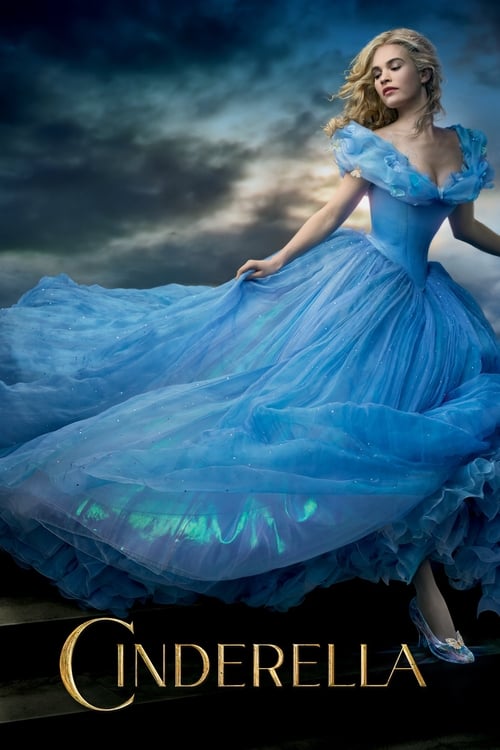
Cinderella
2015 · Directed by Kenneth Branagh
Woke Score
CriticCritic Score
Audience
Based
Critics rated this 45 points above its woke score. Among Based films, this critic score ranks #178 of 345.
Representation Casting
Score: 35/100
The cast includes Nonso Anozie in a supporting role as a palace official, providing some racial diversity in the ensemble. However, the film remains predominantly white in its principal roles and courtly settings.
LGBTQ+ Themes
Score: 0/100
No LGBTQ+ themes, characters, or representation are present in this fairy tale adaptation.
Feminist Agenda
Score: 45/100
The film attempts to reframe Cinderella as a more agentic character with the mantra 'have courage and be kind.' However, the narrative still culminates in marriage as the ultimate life resolution, and Ella's agency remains limited by the constraints of the fairy tale structure.
Racial Consciousness
Score: 10/100
While the film includes Nonso Anozie in the cast, there is minimal substantive engagement with racial themes or consciousness. The inclusion appears incidental rather than thematically deliberate.
Climate Crusade
Score: 0/100
No climate change messaging, environmental consciousness, or ecological themes appear in this fantasy fairy tale.
Eat the Rich
Score: 0/100
The narrative does not contain anti-capitalist messaging. The film celebrates royal wealth and social hierarchy as the natural order.
Body Positivity
Score: 5/100
The film features a protagonist chosen for her beauty and grace, and emphasizes a slim, conventionally attractive heroine. There is no substantive engagement with body positivity.
Neurodivergence
Score: 0/100
No characters with neurodivergent traits or representation are present in this adaptation.
Revisionist History
Score: 0/100
This is a fairy tale, not a historical narrative, so revisionist history does not apply.
Lecture Energy
Score: 15/100
The film contains some preachy messaging around the mantra 'have courage and be kind,' but it is woven into the narrative rather than delivered as explicit lectures or sermons.


Synopsis
When her father unexpectedly passes away, young Ella finds herself at the mercy of her cruel stepmother and her daughters. Never one to give up hope, Ella's fortunes begin to change after meeting a dashing stranger in the woods.
Consciousness Assessment
Kenneth Branagh's 2015 live-action Cinderella represents the peculiar position of a major studio attempting to retrofit progressive sensibilities onto a 300-year-old fairy tale without fundamentally altering its architecture. The film's central innovation is the insistence that its heroine possesses courage and kindness not as passive virtues but as active choices, a rhetorical gesture toward agency that remains largely constrained by the narrative's predetermined endpoints. Lily James delivers a performance of admirable earnestness, embodying a Cinderella who maintains her dignity through suffering, though dignity and narrative agency are not the same thing.
The film's diversity efforts are modest and cautious. Nonso Anozie appears as a palace official in a supporting capacity, providing visual representation without the thematic weight that would suggest genuine cultural consciousness. The ensemble cast is otherwise uniformly white and European, reflecting the production's comfort with a fairy tale world that exists in a kind of historical nowhere, exempt from the inconvenient realities of medieval and early modern Europe. The stepmother, played with relish by Cate Blanchett, remains the film's most interesting character precisely because she is allowed complexity and motivation.
What emerges from this adaptation is a film caught between deference to source material and the contemporary expectation that even fantasy narratives should acknowledge their audience's evolving sensibilities. The result is compromise rather than conviction. The "have courage and be kind" refrain appears less as a thesis to be argued than as a marketing position, a way to assure parents and critics that the film understands modern parenting values. Branagh's Cinderella is a well-crafted, visually sumptuous film that improves upon its source material only insofar as it avoids the cruelest edges of the original tale. It does not challenge the fundamental narrative of feminine fulfillment through marriage, nor does it truly interrogate the class structure it depicts. This is progressive cinema in the most conservative sense: change the words, keep the music.
Analysis generated by our Consciousness Algorithm
Critic Reviews
“As a picture that celebrates one of the greatest archetypes in literature while freshening countless familiar details, I doubt it can be bettered.”
“Like all of Branagh's films, even some of the bad ones, Cinderella is practically Wagnerian in its ambitions — it's so swaggering in its confidence that at times it almost commands us to like it. But it's also unexpectedly delicate in all the right ways, and uncompromisingly beautiful to look at.”
“As pure of heart as its heroine, Cinderella floats across the screen like a gossamer confection, full of elegant beauty and quiet grace.”
“Cinderella is so scrubbed of personality, it’s not even worth calling a mess.”
Consciousness Markers
The cast includes Nonso Anozie in a supporting role as a palace official, providing some racial diversity in the ensemble. However, the film remains predominantly white in its principal roles and courtly settings.
No LGBTQ+ themes, characters, or representation are present in this fairy tale adaptation.
The film attempts to reframe Cinderella as a more agentic character with the mantra 'have courage and be kind.' However, the narrative still culminates in marriage as the ultimate life resolution, and Ella's agency remains limited by the constraints of the fairy tale structure.
While the film includes Nonso Anozie in the cast, there is minimal substantive engagement with racial themes or consciousness. The inclusion appears incidental rather than thematically deliberate.
No climate change messaging, environmental consciousness, or ecological themes appear in this fantasy fairy tale.
The narrative does not contain anti-capitalist messaging. The film celebrates royal wealth and social hierarchy as the natural order.
The film features a protagonist chosen for her beauty and grace, and emphasizes a slim, conventionally attractive heroine. There is no substantive engagement with body positivity.
No characters with neurodivergent traits or representation are present in this adaptation.
This is a fairy tale, not a historical narrative, so revisionist history does not apply.
The film contains some preachy messaging around the mantra 'have courage and be kind,' but it is woven into the narrative rather than delivered as explicit lectures or sermons.