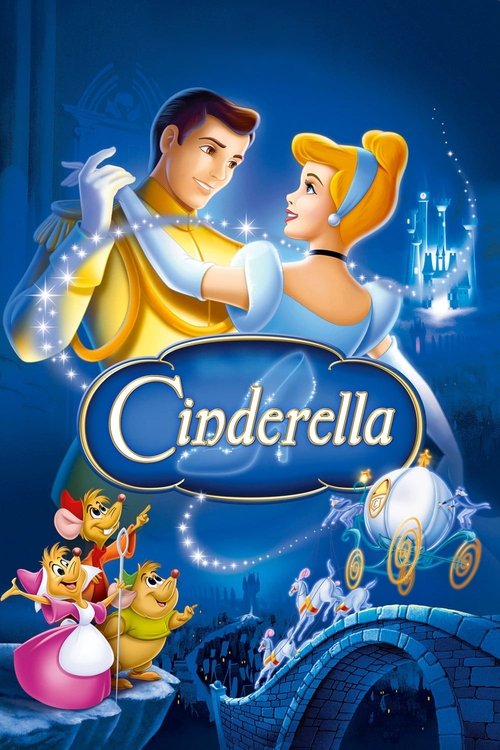
Cinderella
1950 · Directed by Clyde Geronimi
Woke Score
CriticCritic Score
Audience
Ultra Based
Critics rated this 66 points above its woke score. Among Ultra Based films, this critic score ranks #721 of 1469.
Representation Casting
Score: 0/100
All-white voice cast with no intentional diversity considerations. Representation was not part of the cultural framework in 1950 Hollywood animation.
LGBTQ+ Themes
Score: 0/100
No LGBTQ+ themes, representation, or subtext present in the narrative or characterization.
Feminist Agenda
Score: 2/100
The protagonist's entire arc revolves around romantic rescue and marriage as the solution to suffering. Female agency is minimal; external male intervention resolves the narrative.
Racial Consciousness
Score: 0/100
No racial consciousness or commentary present. The film exists in a monoracial white fantasy world presented as universal.
Climate Crusade
Score: 0/100
No climate consciousness or environmental themes present in the narrative.
Eat the Rich
Score: 0/100
The film reinforces class hierarchy and presents royal marriage as the ultimate achievement within existing power structures.
Body Positivity
Score: 0/100
Stepsisters are portrayed as physically grotesque and worthy of mockery. The film endorses conventional beauty standards as central to female value.
Neurodivergence
Score: 0/100
No representation of neurodivergent characters or neurodivergent perspectives in the narrative.
Revisionist History
Score: 0/100
The film presents a straightforward adaptation of a traditional fairy tale without subversion, irony, or contemporary reinterpretation.
Lecture Energy
Score: 0/100
The film contains no preachy messaging, lectures, or explicit social commentary. It simply tells its story as presented.


Synopsis
Cinderella has faith her dreams of a better life will come true. With help from her loyal mice friends and a wave of her Fairy Godmother's wand, Cinderella's rags are magically turned into a glorious gown and off she goes to the Royal Ball. But when the clock strikes midnight, the spell is broken, leaving a single glass slipper... the only key to the ultimate fairy-tale ending.
Consciousness Assessment
Cinderella stands as a historical artifact of complete indifference to progressive social consciousness. The film presents a heroine whose entire narrative purpose consists of domestic servitude, physical beautification, and romantic rescue. She does not shape her own fate. She waits. A fairy godmother intervenes, a prince selects her, and marriage becomes the climactic resolution of all suffering. For a contemporary viewer attuned to questions of agency and patriarchal narrative structures, the film functions as a pedagogical text in what constitutes the opposite of progressive storytelling.
The voice cast reflects mid-century Hollywood's total lack of intentional diversity considerations. All principal characters are performed by white actors, not from any deliberate artistic choice but from the simple absence of the concept of representation itself. The stepsisters exist primarily as physical grotesques, their cruelty expressed through exaggerated appearance rather than psychological motivation. The film's implicit message that conventional beauty and romantic access constitute the highest female aspiration remains undiluted by any irony or subversion.
Beyond these primary concerns, the film contains no engagement with climate consciousness, neurodivergent representation, anti-capitalist critique, or revisionist historical interpretation. The Fairy Godmother's magic operates within a rigid class hierarchy where serving royalty represents the pinnacle of achievement. The film is what it appears to be: a straightforward adaptation of a traditional fairy tale, executed with technical mastery but without any self-awareness regarding its ideological foundations. It deserves credit for existing in 1950 rather than 2024, but that credit is a historical one, not a cultural one.
Analysis generated by our Consciousness Algorithm
Critic Reviews
“As a picture that celebrates one of the greatest archetypes in literature while freshening countless familiar details, I doubt it can be bettered.”
“Like all of Branagh's films, even some of the bad ones, Cinderella is practically Wagnerian in its ambitions — it's so swaggering in its confidence that at times it almost commands us to like it. But it's also unexpectedly delicate in all the right ways, and uncompromisingly beautiful to look at.”
“As pure of heart as its heroine, Cinderella floats across the screen like a gossamer confection, full of elegant beauty and quiet grace.”
“Cinderella is so scrubbed of personality, it’s not even worth calling a mess.”
Consciousness Markers
All-white voice cast with no intentional diversity considerations. Representation was not part of the cultural framework in 1950 Hollywood animation.
No LGBTQ+ themes, representation, or subtext present in the narrative or characterization.
The protagonist's entire arc revolves around romantic rescue and marriage as the solution to suffering. Female agency is minimal; external male intervention resolves the narrative.
No racial consciousness or commentary present. The film exists in a monoracial white fantasy world presented as universal.
No climate consciousness or environmental themes present in the narrative.
The film reinforces class hierarchy and presents royal marriage as the ultimate achievement within existing power structures.
Stepsisters are portrayed as physically grotesque and worthy of mockery. The film endorses conventional beauty standards as central to female value.
No representation of neurodivergent characters or neurodivergent perspectives in the narrative.
The film presents a straightforward adaptation of a traditional fairy tale without subversion, irony, or contemporary reinterpretation.
The film contains no preachy messaging, lectures, or explicit social commentary. It simply tells its story as presented.