Chicago
2002 · Directed by Rob Marshall
Woke Score
CriticCritic Score
Audience
Based
Critics rated this 53 points above its woke score. Among Based films, this critic score ranks #67 of 345.
Representation Casting
Score: 45/100
The cast includes notable diversity with Queen Latifah, Lucy Liu, and Taye Diggs in key roles. However, the narrative does not center these characters' experiences or use their presence to advance social consciousness.
LGBTQ+ Themes
Score: 0/100
No LGBTQ+ themes or representation are present in the film. The narrative contains no characters coded as or explicitly identified as LGBTQ+.
Feminist Agenda
Score: 35/100
While the film centers female characters with agency and power, it does not engage in contemporary feminist critique. The female protagonists' ambitions are treated with the same cynicism as male characters' motivations, precluding any preachy feminist messaging.
Racial Consciousness
Score: 15/100
Diverse casting exists but without thematic integration. Queen Latifah's character is written as a functional part of the story rather than as a vehicle for racial consciousness or commentary.
Climate Crusade
Score: 0/100
No climate-related themes appear in the film. The narrative is set in 1920s Chicago and contains no environmental consciousness or climate messaging.
Eat the Rich
Score: 55/100
The film offers satirical critique of capitalist media machinery and the commodification of crime through the legal and journalistic systems. This critique is present but not framed through contemporary anti-capitalist ideology.
Body Positivity
Score: 0/100
No body positivity themes are evident. The film does not engage with contemporary discourse around body image, disability representation, or physical appearance as a social justice matter.
Neurodivergence
Score: 0/100
No neurodivergence representation or themes appear in the film. No characters are presented as neurodivergent or with disability status central to their characterization.
Revisionist History
Score: 10/100
The film is set in the 1920s but does not significantly revise historical narratives through a contemporary progressive lens. It treats the period setting as backdrop rather than subject of historical reinterpretation.
Lecture Energy
Score: 5/100
The film maintains a satirical, entertainment-focused tone throughout. While the narrative contains implicit social critique, it does not lecture the audience about social issues or correct moral positions.


Synopsis
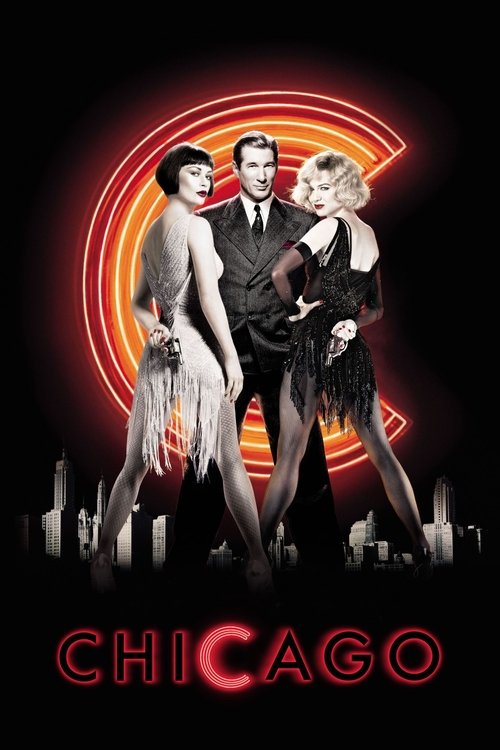
Murderesses Velma Kelly and Roxie Hart find themselves on death row together and fight for the fame that will keep them from the gallows in 1920s Chicago.
Consciousness Assessment
Chicago presents a morally unambiguous universe where ambition, deception, and manipulation are the only currencies that matter. The film's two female protagonists are murderers, not victims, and the narrative takes considerable pains to ensure we understand their crimes as acts of premeditated violence born from vanity rather than desperation. This moral clarity is refreshing in an era where films often soften the edges of their characters' culpability. The film does assemble a diverse cast, with Queen Latifah playing Matron "Mama" Morton and Lucy Liu in a supporting role, though the narrative itself does not center these characters' experiences or struggles. They exist within the story as functional components of the machinery rather than as subjects of thematic inquiry. The musical numbers are performed with professional detachment, a quality that serves the film's satirical purposes well.
The picture's engagement with gender is complicated. Velma and Roxie are undeniably female-centered characters whose agency drives the plot, yet the film presents their ambitions and crimes with a cynicism that applies equally to their male counterparts. The musical itself, adapted from the stage production, treats all characters as equally corrupt and self-interested. There is no preachy messaging about women's oppression or systemic inequality. Rather, the film suggests that the pursuit of fame and notoriety transcends gender, class, and morality entirely. In this respect, Chicago operates as a period piece whose satirical edge predates contemporary cultural sensibilities by decades, having been drawn from a 1926 play.
The film's engagement with social consciousness remains limited because the narrative does not interrogate systems of power through a contemporary lens. It does not present marginalized characters as vehicles for progressive awareness. Chicago is content to be a stylish, cynical entertainment about the corruption of the American criminal justice system and media apparatus. This is not a failing on the film's part, merely an observation about its fundamental orientation toward entertainment rather than cultural instruction.
Analysis generated by our Consciousness Algorithm
Critic Reviews
“The singing and dancing in this Chicago are uniformly splendid, right down to Gere's tap dancing. The high wit and dark eroticism Marshall brings to the famous "Cell Block Tango" number are matchless.”
“With its eye-popping color, bold personality and snazzy tunes, Chicago is a breathtaking experience.”
“Chicago is the zingiest, most inventive movie of its kind since "Cabaret."”
“The only player to conquer Chicago is Catherine Zeta-Jones, who is no Charisse in her motions but who gets by on a full tank of unleaded oomph. [6 January 2003, p. 90]”
Consciousness Markers
The cast includes notable diversity with Queen Latifah, Lucy Liu, and Taye Diggs in key roles. However, the narrative does not center these characters' experiences or use their presence to advance social consciousness.
No LGBTQ+ themes or representation are present in the film. The narrative contains no characters coded as or explicitly identified as LGBTQ+.
While the film centers female characters with agency and power, it does not engage in contemporary feminist critique. The female protagonists' ambitions are treated with the same cynicism as male characters' motivations, precluding any preachy feminist messaging.
Diverse casting exists but without thematic integration. Queen Latifah's character is written as a functional part of the story rather than as a vehicle for racial consciousness or commentary.
No climate-related themes appear in the film. The narrative is set in 1920s Chicago and contains no environmental consciousness or climate messaging.
The film offers satirical critique of capitalist media machinery and the commodification of crime through the legal and journalistic systems. This critique is present but not framed through contemporary anti-capitalist ideology.
No body positivity themes are evident. The film does not engage with contemporary discourse around body image, disability representation, or physical appearance as a social justice matter.
No neurodivergence representation or themes appear in the film. No characters are presented as neurodivergent or with disability status central to their characterization.
The film is set in the 1920s but does not significantly revise historical narratives through a contemporary progressive lens. It treats the period setting as backdrop rather than subject of historical reinterpretation.
The film maintains a satirical, entertainment-focused tone throughout. While the narrative contains implicit social critique, it does not lecture the audience about social issues or correct moral positions.