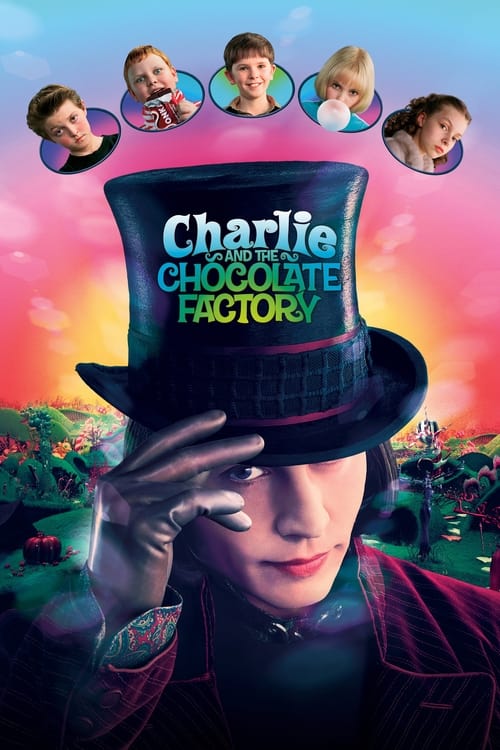
Charlie and the Chocolate Factory
2005 · Directed by Tim Burton
Woke Score
CriticCritic Score
Audience
Based
Critics rated this 50 points above its woke score. Among Based films, this critic score ranks #144 of 345.
Representation Casting
Score: 25/100
The cast includes some diversity, but representation appears incidental rather than intentional. The factory workers are all played by one actor, undermining any genuine diversity message.
LGBTQ+ Themes
Score: 0/100
No LGBTQ+ themes, representation, or subtext are present in the film. The focus remains entirely heteronormative and conventional.
Feminist Agenda
Score: 10/100
Charlie's mother is portrayed with sympathy and dignity, but the narrative contains no feminist agenda or commentary on gender dynamics.
Racial Consciousness
Score: 5/100
While the cast includes performers of various backgrounds, the film demonstrates no racial consciousness or thematic engagement with race.
Climate Crusade
Score: 0/100
No climate themes, environmental messaging, or ecological consciousness appear in the film.
Eat the Rich
Score: 35/100
The narrative critiques greed and materialism through the fates of the other children, and Wonka rejects industrial chocolate production. However, this operates as timeless moral fable rather than contemporary political commentary.
Body Positivity
Score: 5/100
Charlie's poverty and thinness are never treated as something to celebrate or reclaim. The film contains no body positivity messaging.
Neurodivergence
Score: 0/100
No neurodivergent representation or themes are present. The film contains no exploration of neurodiversity.
Revisionist History
Score: 0/100
The film is a period fantasy with no historical content to revise or reinterpret.
Lecture Energy
Score: 20/100
Wonka delivers moral lessons about greed and character, but these are woven into the narrative and fable structure rather than delivered as explicit social commentary.


Synopsis
A young boy wins a tour through the most magnificent chocolate factory in the world, led by the world's most unusual candy maker.
Consciousness Assessment
Charlie and the Chocolate Factory arrives as a curious artifact of early-2000s family filmmaking, a period when progressive sensibilities existed but had not yet crystallized into the specific cultural markers we now measure. Tim Burton's adaptation of Roald Dahl's novel operates in a largely apolitical register, concerned primarily with whimsy, production design, and the moral education of its protagonist through candy-based consequences.
The film's social consciousness remains dormant across most axes. The cast includes several performers of color, but their presence carries no particular thematic weight or commentary. The factory workers are portrayed as a homogeneous group of identical men (Deep Roy), which is both a visual gag and a complete absence of demographic consideration. Wonka's character, played with deliberate oddness by Johnny Depp, exists as a figure of artistic eccentricity rather than as a vehicle for any coherent ideological position. The narrative concern with greed and materialism is present, but it operates as a timeless fable, not as a critique of contemporary capitalism or wealth inequality.
The film's most interesting feature, from our analytical perspective, is its near-total indifference to the cultural conversations that would become central to progressive cinema in the following decade. It is, in this sense, refreshingly uncommitted to anything beyond entertainment and spectacle. For those keeping score at home, this represents a significant advantage.
Analysis generated by our Consciousness Algorithm
Critic Reviews
“Those Oompa-Loompas are the beat, and soul, of Burton's finest movie since "Ed Wood": a madhouse kiddie musical with a sweet-and-sour heart.”
“A peach of a story delightfully imagined by Dahl and lushly realized by Burton. It's full of witty or awesome scenes, flights of fancy and characters either totally, lovably sweet or outrageously, humorously rotten.”
“A mischievously inventive, surreal entertainment, one that celebrates not only Whipple Scrumptious Fudgemallow Delight and Nutty Crunch Surprise but Busby Berkeley, Stanley Kubrick, the Beatles, and the outer-space acting choices of one Johnny Depp - not to mention those bushy-tailed rodents in all their bustling splendor.”
“The satirical edge has been dulled in a film that is dominated, and ultimately swamped, by its star's mannered, pixilated performance.”
Consciousness Markers
The cast includes some diversity, but representation appears incidental rather than intentional. The factory workers are all played by one actor, undermining any genuine diversity message.
No LGBTQ+ themes, representation, or subtext are present in the film. The focus remains entirely heteronormative and conventional.
Charlie's mother is portrayed with sympathy and dignity, but the narrative contains no feminist agenda or commentary on gender dynamics.
While the cast includes performers of various backgrounds, the film demonstrates no racial consciousness or thematic engagement with race.
No climate themes, environmental messaging, or ecological consciousness appear in the film.
The narrative critiques greed and materialism through the fates of the other children, and Wonka rejects industrial chocolate production. However, this operates as timeless moral fable rather than contemporary political commentary.
Charlie's poverty and thinness are never treated as something to celebrate or reclaim. The film contains no body positivity messaging.
No neurodivergent representation or themes are present. The film contains no exploration of neurodiversity.
The film is a period fantasy with no historical content to revise or reinterpret.
Wonka delivers moral lessons about greed and character, but these are woven into the narrative and fable structure rather than delivered as explicit social commentary.