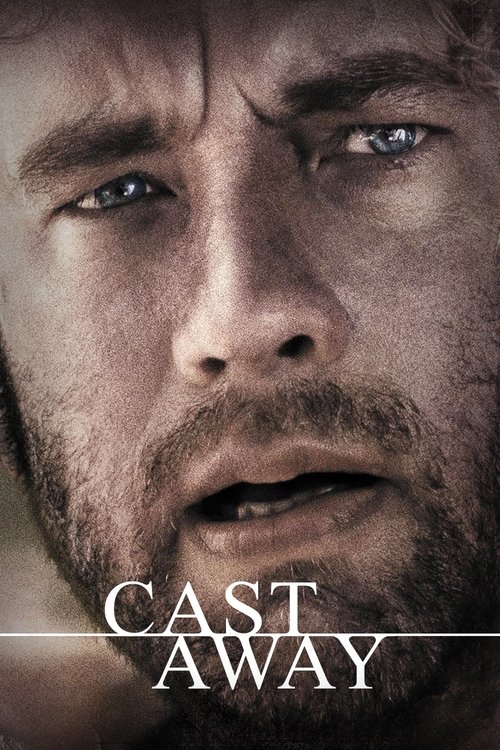
Cast Away
2000 · Directed by Robert Zemeckis
Woke Score
CriticCritic Score
Audience
Ultra Based
Critics rated this 70 points above its woke score. Among Ultra Based films, this critic score ranks #510 of 1469.
Representation Casting
Score: 2/100
The cast is predominantly white with minimal diversity. Helen Hunt is the only significant female presence, relegated to bookend scenes.
LGBTQ+ Themes
Score: 0/100
No LGBTQ+ themes, representation, or subtext. The film is entirely heteronormative in its romantic setup.
Feminist Agenda
Score: 3/100
Helen Hunt's character exists primarily as romantic motivation. She has minimal agency and appears only at the film's beginning and end.
Racial Consciousness
Score: 0/100
No meaningful racial consciousness. The film treats race as irrelevant to its narrative, with no characters of color in significant roles.
Climate Crusade
Score: 0/100
The storm that crashes the plane is purely a plot device with no environmental commentary whatsoever.
Eat the Rich
Score: 5/100
Chuck's obsession with productivity and efficiency is never critiqued. His identity as a FedEx executive is treated as neutral rather than symptomatic of capitalist alienation.
Body Positivity
Score: 15/100
The film emphasizes physical deterioration and recovery, showing Chuck's body changing dramatically, but without commentary on beauty standards or body image.
Neurodivergence
Score: 0/100
No representation of neurodivergence or disability beyond the physical trauma of survival.
Revisionist History
Score: 0/100
Not a historical film. No attempt to reinterpret or reconsider historical events.
Lecture Energy
Score: 2/100
The film makes no attempt to educate or persuade the viewer about social issues. It is purely narrative-driven entertainment.


Synopsis
Chuck Noland, a top international manager for FedEx, and Kelly, a Ph.D. student, are in love and heading towards marriage. Then Chuck's plane to Malaysia crashes at sea during a terrible storm. He's the only survivor, and finds himself marooned on a desolate island. With no way to escape, Chuck must find ways to survive in his new home.
Consciousness Assessment
Cast Away presents a portrait of survival stripped of any meaningful social consciousness. The film concerns itself entirely with the mechanics of individual perseverance, a solitary white man's triumph over nature through ingenuity and determination. There is no interrogation of the systems that created Chuck Noland's obsession with efficiency and productivity, nor any suggestion that his isolation might serve as commentary on the isolating nature of corporate culture. The narrative treats his predicament as apolitical, a pure test of human will against circumstance. This is survival cinema in its most conservative form.
The supporting cast exists primarily as setup and denouement. Helen Hunt's Kelly serves as romantic motivation for the opening and emotional payoff at the close, but she is fundamentally a plot device rather than a character with agency. The film's universe is one in which the central drama belongs to the man, and everyone else orbits his experience. Even the recovery of Chuck is framed through his eyes, his journey, his transformation. The other crash survivors are dispatched without ceremony, their deaths mere backdrop to the protagonist's survival.
The film's absolute lack of interest in any form of cultural reflection is its defining characteristic. There is no commentary on race, gender, class, or the environmental catastrophe that strands Chuck on the island. The storm that destroys his plane is merely a plot device, not an occasion for rumination on climate or human vulnerability. This is not a moral failing in itself, but it does place the film squarely outside the contemporary landscape of progressive cinema. Cast Away is a film from a different era, one concerned with individual will rather than collective consciousness.
Analysis generated by our Consciousness Algorithm
Critic Reviews
“A really classic adventure yarn with one of Hollywood's great actors hitting one out of the ballpark. If you're seeing only one movie this season, this is the obvious choice.”
“It's a startling physical transformation, as Noland goes from flabby desk jockey to lean, mean fishing machine. But even more remarkable is the mental transformation Hanks effects.”
“It will bring joy in a way certainly not intended, as one of the most gloriously and unwittingly silly films ever devised by a major American filmmaker.”
Consciousness Markers
The cast is predominantly white with minimal diversity. Helen Hunt is the only significant female presence, relegated to bookend scenes.
No LGBTQ+ themes, representation, or subtext. The film is entirely heteronormative in its romantic setup.
Helen Hunt's character exists primarily as romantic motivation. She has minimal agency and appears only at the film's beginning and end.
No meaningful racial consciousness. The film treats race as irrelevant to its narrative, with no characters of color in significant roles.
The storm that crashes the plane is purely a plot device with no environmental commentary whatsoever.
Chuck's obsession with productivity and efficiency is never critiqued. His identity as a FedEx executive is treated as neutral rather than symptomatic of capitalist alienation.
The film emphasizes physical deterioration and recovery, showing Chuck's body changing dramatically, but without commentary on beauty standards or body image.
No representation of neurodivergence or disability beyond the physical trauma of survival.
Not a historical film. No attempt to reinterpret or reconsider historical events.
The film makes no attempt to educate or persuade the viewer about social issues. It is purely narrative-driven entertainment.