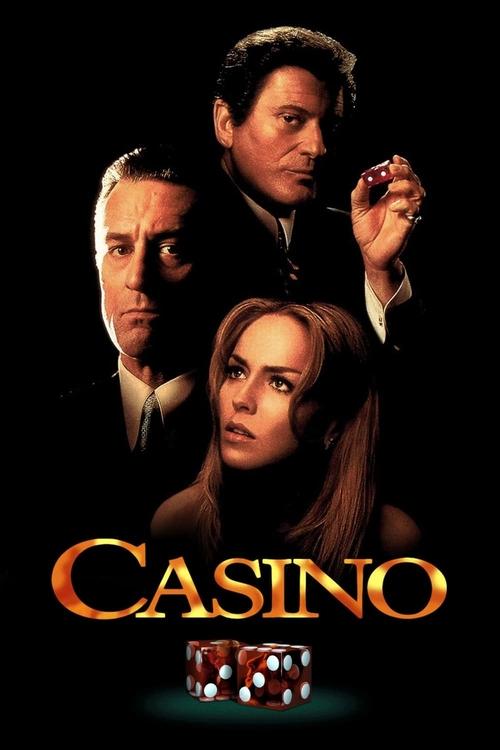
Casino
1995 · Directed by Martin Scorsese
Woke Score
CriticCritic Score
Audience
Ultra Based
Critics rated this 69 points above its woke score. Among Ultra Based films, this critic score ranks #539 of 1469.
Representation Casting
Score: 5/100
The cast includes actors of color in supporting roles, but they function as minor characters without agency or thematic significance to the narrative.
LGBTQ+ Themes
Score: 0/100
No LGBTQ+ themes, characters, or representation are present in the film.
Feminist Agenda
Score: 2/100
Sharon Stone's character is portrayed through a male gaze, reduced to her sexuality and emotional volatility, existing primarily to create conflict between male leads.
Racial Consciousness
Score: 3/100
Characters of color appear in the film but are not given narrative depth or agency; there is no examination of systemic racial issues or power structures.
Climate Crusade
Score: 0/100
Climate themes are entirely absent from this crime drama set in Las Vegas casinos.
Eat the Rich
Score: 0/100
The film presents capitalism and wealth accumulation as inevitable and aesthetically appealing rather than critically examining economic exploitation.
Body Positivity
Score: 0/100
No body positivity themes are present; the film operates within conventional 1990s beauty standards and male-oriented aesthetics.
Neurodivergence
Score: 0/100
Neurodivergence is not addressed or represented in the film.
Revisionist History
Score: 0/100
The film does not attempt to revise historical narratives; it presents historical events without modern reframing.
Lecture Energy
Score: 0/100
The film does not engage in preachy commentary or attempt to educate the audience about social issues.


Synopsis
In Las Vegas, two best friends--a casino executive and a Mafia enforcer--compete for a gambling empire and a fast-living, fast-loving socialite.
Consciousness Assessment
Casino is a technical marvel of 1995 cinema, a film so assured in its command of craft that one might mistake it for having something to say about power, corruption, and the American dream. What it actually says is considerably less interesting: men fight over money and women in Las Vegas, and this struggle is presented with the moral seriousness of a Greek tragedy. The film's portrait of Ginger McKenna, played by Sharon Stone in what was marketed as a career-defining role, reduces her to a collection of betrayals and vulnerabilities viewed through the prism of male sexual desire and male disappointment. She exists to facilitate the narrative conflicts of De Niro and Pesci's characters. Her addiction, her infidelity, her desperation are all framed as moral failings rather than as symptoms of her entrapment within a system designed by and for men.
The film's approach to race and class is similarly uncomplicated. The supporting cast includes characters of color, but they function as precisely that: supporting elements in a white male drama. There is no interrogation of systemic inequality, no consideration of how the casino economy exploits vulnerable populations, no acknowledgment that this gleaming machine of wealth extraction might be anything other than a backdrop for masculine rivalry. The violence is presented as inevitable, even stylish. The morality is retrograde. Everything exists in service to aesthetic arrangement and narrative momentum.
What remains is a film of genuine technical accomplishment that has aged into something of a period piece, not because it was ahead of its time, but because its assumptions about power, gender, and consequence now read as transparently dated. It is a Scorsese film from before Scorsese seemed interested in examining his own relationship to the material he was depicting. For those scoring such things, this is precisely the kind of artifact that should score low on markers of modern social consciousness. It does not attempt to engage with them. The film is content to be what it is: a brilliantly composed nihilist fantasy about male power and female complicity.
Analysis generated by our Consciousness Algorithm
Critic Reviews
“Scorsese tells his story with the energy and pacing he's famous for, and with a wealth of little details that feel just right.”
“You can't praise highly enough the contributions of the ensemble--De Niro and Pesci especially--but it's Scorsese's triumph. [22 November 1995, Tempo, p.1]”
“Possesses a stylistic boldness and verisimilitude that is virtually matchless.”
Consciousness Markers
The cast includes actors of color in supporting roles, but they function as minor characters without agency or thematic significance to the narrative.
No LGBTQ+ themes, characters, or representation are present in the film.
Sharon Stone's character is portrayed through a male gaze, reduced to her sexuality and emotional volatility, existing primarily to create conflict between male leads.
Characters of color appear in the film but are not given narrative depth or agency; there is no examination of systemic racial issues or power structures.
Climate themes are entirely absent from this crime drama set in Las Vegas casinos.
The film presents capitalism and wealth accumulation as inevitable and aesthetically appealing rather than critically examining economic exploitation.
No body positivity themes are present; the film operates within conventional 1990s beauty standards and male-oriented aesthetics.
Neurodivergence is not addressed or represented in the film.
The film does not attempt to revise historical narratives; it presents historical events without modern reframing.
The film does not engage in preachy commentary or attempt to educate the audience about social issues.