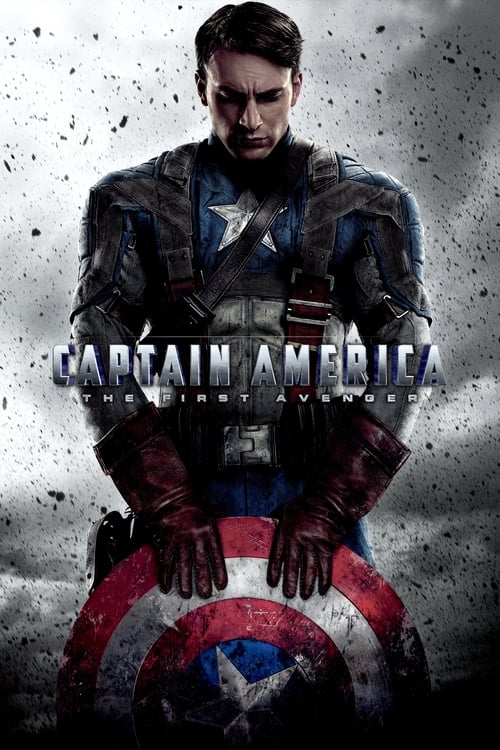
Captain America: The First Avenger
2011 · Directed by Joe Johnston
Woke Score
CriticCritic Score
Audience
Ultra Based
Critics rated this 51 points above its woke score. Among Ultra Based films, this critic score ranks #736 of 1469.
Representation Casting
Score: 25/100
The cast is predominantly white and male. Hayley Atwell provides some female representation as Peggy Carter, but her role remains subordinate to the male lead.
LGBTQ+ Themes
Score: 0/100
No LGBTQ+ themes, characters, or representation present in the film.
Feminist Agenda
Score: 20/100
Peggy Carter demonstrates competence as a military officer, but exists primarily as a romantic interest and supporting character rather than as an equal protagonist.
Racial Consciousness
Score: 0/100
No exploration of racial themes or consciousness. The film presents a conventional WWII narrative without addressing racial dynamics of the era.
Climate Crusade
Score: 0/100
No climate-related messaging or environmental themes appear in the film.
Eat the Rich
Score: 0/100
The film celebrates American military power and does not engage with anti-capitalist critique or 'eat the rich' sensibilities.
Body Positivity
Score: 0/100
No body positivity themes present. The transformation sequence emphasizes the ideal male physique without commentary on body diversity.
Neurodivergence
Score: 0/100
No representation of neurodivergent characters or themes in the narrative.
Revisionist History
Score: 5/100
The film takes minor liberties with WWII history through its HYDRA organization and fictional weaponry, but does not engage in progressive historical revisionism.
Lecture Energy
Score: 10/100
Minimal preachy messaging. The film includes some patriotic themes and speeches about American values, but these are woven into the narrative rather than delivered as lectures.


Synopsis
During World War II, Steve Rogers is a sickly man from Brooklyn who's transformed into super-soldier Captain America to aid in the war effort. Rogers must stop the Red Skull – Adolf Hitler's ruthless head of weaponry, and the leader of an organization that intends to use a mysterious device of untold powers for world domination.
Consciousness Assessment
Captain America: The First Avenger operates as a straightforward patriotic adventure divorced from any contemporary progressive sensibility. The film presents World War II as a clarifying moral conflict between good and evil, with American military might positioned as the righteous instrument of victory. Steve Rogers' transformation from sickly underdog to super-soldier follows the logic of classical heroic narrative rather than any modern cultural consciousness. The film's treatment of gender is particularly revealing: Peggy Carter wears a uniform and carries authority, yet the camera and narrative center remain fixed on Rogers, relegating her to the role of capable supporting player in someone else's story.
The production emerges from a moment in superhero cinema before the industry's later attempts at social consciousness became standard practice. No character speaks to systemic inequality, environmental catastrophe, or corporate malfeasance. The ensemble cast, while including Samuel L. Jackson, features him in a minor role that establishes continuity for the larger Marvel project rather than exploring any meaningful racial dimension. The film's villains are Nazis and rogue militarists, which requires no contemporary lens to recognize as evil. Moral clarity requires no progressive framework.
What distinguishes this film is its fundamental indifference to the social consciousness markers that would later define prestige studio filmmaking. This is not a failing in aesthetic terms, but rather a reflection of the cultural moment in which it was produced. The movie exists in a register where American patriotism, military heroism, and traditional gender dynamics require no interrogation. It is a film that knows what it is and proceeds with the confidence of something that assumes its audience shares its assumptions about what constitutes proper narrative and heroic virtue.
Analysis generated by our Consciousness Algorithm
Critic Reviews
“Captain America: The First Avenger is one of the finest movies yet from Marvel Studios, and a big departure in tone and storytelling from most of the films they've made so far. It is a strong indicator that the more willing the studio is to experiment, the more exciting the payoffs can be.”
“It gives you all that you could ask for when you buy a ticket to a thrill ride.”
“Johnston and company are aware that introducing a hero means more than showing off his suit and gadgets or building up the universe he will eventually encapsulate. Before any of that, we must care about who he/she is.”
“Captain America is simply awful. It is another hour and a half of prologue to the film people are apparently waiting for - The Avengers.”
Consciousness Markers
The cast is predominantly white and male. Hayley Atwell provides some female representation as Peggy Carter, but her role remains subordinate to the male lead.
No LGBTQ+ themes, characters, or representation present in the film.
Peggy Carter demonstrates competence as a military officer, but exists primarily as a romantic interest and supporting character rather than as an equal protagonist.
No exploration of racial themes or consciousness. The film presents a conventional WWII narrative without addressing racial dynamics of the era.
No climate-related messaging or environmental themes appear in the film.
The film celebrates American military power and does not engage with anti-capitalist critique or 'eat the rich' sensibilities.
No body positivity themes present. The transformation sequence emphasizes the ideal male physique without commentary on body diversity.
No representation of neurodivergent characters or themes in the narrative.
The film takes minor liberties with WWII history through its HYDRA organization and fictional weaponry, but does not engage in progressive historical revisionism.
Minimal preachy messaging. The film includes some patriotic themes and speeches about American values, but these are woven into the narrative rather than delivered as lectures.