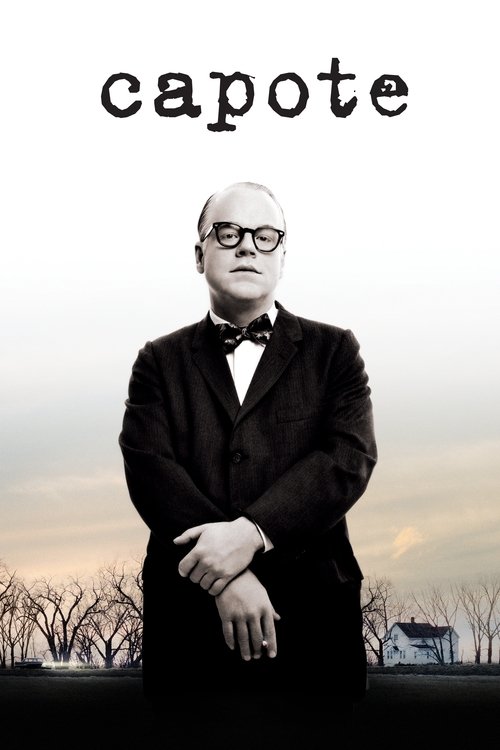
Capote
2005 · Directed by Bennett Miller
Woke Score
CriticCritic Score
Audience
Ultra Based
Critics rated this 84 points above its woke score. Among Ultra Based films, this critic score ranks #174 of 1469.
Representation Casting
Score: 0/100
The cast is composed of white actors in roles that reflect the historical composition of Capote's social circle. There is no evidence of intentional diverse casting or representation consciousness.
LGBTQ+ Themes
Score: 25/100
Capote's homosexuality is portrayed naturally and without shame, but the film treats this as biographical fact rather than as a statement about LGBTQ+ representation or rights. The inclusion feels incidental to the character study rather than purposeful.
Feminist Agenda
Score: 0/100
The film contains no feminist themes or conscious engagement with gender issues. Female characters exist in supporting roles without any thematic exploration of their experiences or perspectives.
Racial Consciousness
Score: 0/100
Despite the subject matter involving real crimes and victims, the film makes no effort to examine or interrogate racial or systemic dimensions. The narrative remains centered on Capote's emotional journey.
Climate Crusade
Score: 0/100
There is no engagement with climate issues or environmental consciousness in this character study about a mid-century writer and his work.
Eat the Rich
Score: 0/100
While the film depicts Capote's wealth and access to power, it does not critique capitalism or present anti-capitalist sentiment. There is no effort to interrogate these systems.
Body Positivity
Score: 0/100
The film does not engage with body positivity themes or conscious representation of different body types. Physical appearance is treated as character detail rather than thematic statement.
Neurodivergence
Score: 0/100
There is no representation of neurodivergence or conscious engagement with neurodivergent characters or themes in this film.
Revisionist History
Score: 0/100
The film presents a straightforward biographical narrative without attempting to revise historical narratives or challenge established historical interpretations.
Lecture Energy
Score: 0/100
The film maintains a dramatic narrative approach without preachy monologues or explicit messaging about social issues. It does not lecture the audience about contemporary values or perspectives.


Synopsis
A biopic of writer Truman Capote and his assignment for The New Yorker to write the non-fiction book "In Cold Blood".
Consciousness Assessment
Bennett Miller's "Capote" is a surgical examination of artistic obsession and moral compromise, centered on Philip Seymour Hoffman's portrayal of the eponymous writer during the creation of "In Cold Blood." The film is primarily interested in Capote's narcissism, his manipulation of those around him, and the psychological cost of his literary ambition. His sexuality exists in the film as a natural component of his character, neither celebrated nor condemned, which places it somewhat ahead of its era in terms of casual inclusion but light-years away from any explicit engagement with contemporary progressive sensibilities.
The film's treatment of its subject is sophisticated but fundamentally apolitical. We observe Capote's relationships, his wealth, his access to power, but the film makes no effort to interrogate these through a lens of social consciousness. The "In Cold Blood" subject matter involves real crime and real suffering, yet the narrative remains centered entirely on Capote's emotional and intellectual journey. There is no examination of systemic inequality, no consideration of the victims beyond their utility to the narrative, no gesture toward the frameworks that would later become commonplace in prestige cinema.
What we have is a film made before the contemporary cultural conversation about representation, identity, and social responsibility became organizing principles of mainstream filmmaking. "Capote" is interested in character, craft, and the corrupting influence of ambition. It is a minor masterpiece of its kind, and its minor woke score reflects not a failure but rather a different set of artistic priorities, made in an era when such priorities were still permissible.
Analysis generated by our Consciousness Algorithm
Critic Reviews
“Capote represents something unique in cinema.…Most eye-catching for critics and audiences in the weeks to come will be Philip Seymour Hoffman's brilliant metamorphosis into the persona of the late author.”
“The mesmerizing performance of Phillip Seymour Hoffman as the celebrated writer dominates every scene, while director Bennett Miller and screenwriter Dan Futterman's penetrating study enthralls in every aspect.”
“On the personal betrayals that accompany Capote's ache for literary transcendence. The betrayals were necessary to create "In Cold Blood." This is why Capote is such an unsettlingly ambiguous experience.”
“Aside from yet another solid performance from Catherine Keener-playing a Harper Lee just preparing to publish "To Kill a Mockingbird," and here to act as Capote's unheeded moral conscience-that's the ONLY reason to see Capote.”
Consciousness Markers
The cast is composed of white actors in roles that reflect the historical composition of Capote's social circle. There is no evidence of intentional diverse casting or representation consciousness.
Capote's homosexuality is portrayed naturally and without shame, but the film treats this as biographical fact rather than as a statement about LGBTQ+ representation or rights. The inclusion feels incidental to the character study rather than purposeful.
The film contains no feminist themes or conscious engagement with gender issues. Female characters exist in supporting roles without any thematic exploration of their experiences or perspectives.
Despite the subject matter involving real crimes and victims, the film makes no effort to examine or interrogate racial or systemic dimensions. The narrative remains centered on Capote's emotional journey.
There is no engagement with climate issues or environmental consciousness in this character study about a mid-century writer and his work.
While the film depicts Capote's wealth and access to power, it does not critique capitalism or present anti-capitalist sentiment. There is no effort to interrogate these systems.
The film does not engage with body positivity themes or conscious representation of different body types. Physical appearance is treated as character detail rather than thematic statement.
There is no representation of neurodivergence or conscious engagement with neurodivergent characters or themes in this film.
The film presents a straightforward biographical narrative without attempting to revise historical narratives or challenge established historical interpretations.
The film maintains a dramatic narrative approach without preachy monologues or explicit messaging about social issues. It does not lecture the audience about contemporary values or perspectives.