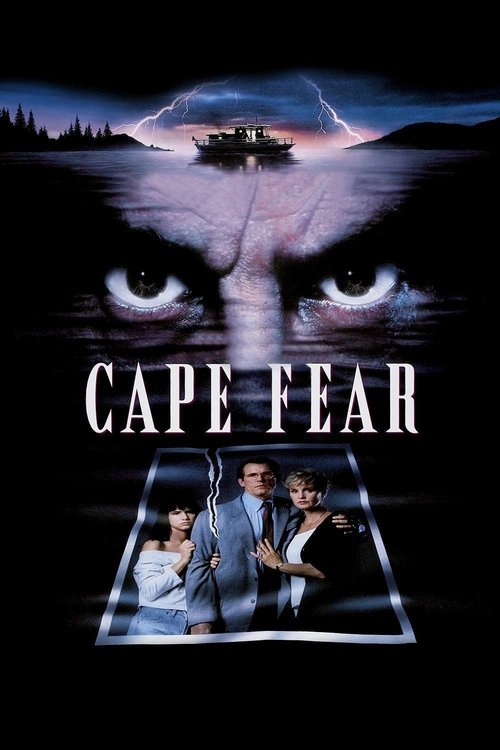
Cape Fear
1991 · Directed by Martin Scorsese
Woke Score
CriticCritic Score
Audience
Ultra Based
Critics rated this 69 points above its woke score. Among Ultra Based films, this critic score ranks #540 of 1469.
Representation Casting
Score: 5/100
The cast is predominantly white and reflects 1991 Hollywood norms. While Gregory Peck and Robert Mitchum appear in cameos, the core family and antagonist lack meaningful diversity. The film makes no effort toward inclusive casting.
LGBTQ+ Themes
Score: 0/100
There are no LGBTQ+ characters or themes present in the film. Sexuality is portrayed exclusively through the lens of predatory heterosexual male violence.
Feminist Agenda
Score: 3/100
The film presents women primarily as victims and objects of protection rather than autonomous agents. The teenage daughter is specifically positioned as a target of sexual predation, and her mother exists largely as a concerned family member rather than a fully realized character.
Racial Consciousness
Score: 2/100
The film contains no meaningful engagement with racial themes or consciousness. The narrative is centered entirely on white family trauma and threat, with no consideration of how race might intersect with the story.
Climate Crusade
Score: 0/100
Climate themes are entirely absent from this psychological thriller. The natural setting serves purely as backdrop for the narrative of personal conflict.
Eat the Rich
Score: 0/100
The film contains no critique of capitalism or wealth structures. The protagonist is a corporate attorney, and his professional status is simply part of his character background without commentary.
Body Positivity
Score: 0/100
Body positivity messaging is not present. The film focuses on physical threat and violence without any engagement with contemporary body consciousness themes.
Neurodivergence
Score: 0/100
No neurodivergent characters are portrayed or acknowledged. Max Cady's psychopathy is presented as pure evil rather than any form of neurodivergence meriting representation.
Revisionist History
Score: 0/100
The film contains no historical narratives that it revises or reframes. It is a contemporary thriller with no historical pretensions.
Lecture Energy
Score: 2/100
The film does not attempt to educate audiences about social issues. Any thematic content emerges through narrative and character rather than explicit messaging or preachy intent.


Synopsis
Sam Bowden is a small-town corporate attorney. Max Cady is a tattooed, cigar-smoking, Bible-quoting, psychotic rapist. What do they have in common? 14 years ago, Sam was a public defender assigned to Max Cady's rape trial, and he made a serious error: he hid a document from his illiterate client that could have gotten him acquitted. Now, the cagey Cady has been released, and he intends to teach Sam Bowden and his family a thing or two about loss.
Consciousness Assessment
Martin Scorsese's 1991 remake of Cape Fear stands as a technical achievement, a masterclass in tension and visual storytelling that demonstrates complete command of the thriller genre. The film is also, by any serious measure of contemporary cultural sensibility, a fairly bleak proposition. The narrative centers on the sexual threat posed by a predatory man to a family unit, with particular emphasis on the vulnerability of a teenage daughter. The camera lingers, as Scorsese's camera often does, on moments of menace and transgression with an intensity that some might read as fascination rather than critique.
The film's approach to its subject matter reflects the sensibilities of 1991, not those of the current era. Max Cady is a vehicle for exploring masculine rage and the violence lurking beneath social order, themes that animated much of Scorsese's work throughout his career. The female characters, while not entirely passive, exist primarily as objects of threat and protection rather than as fully realized agents in their own narrative. Jessica Lange's wife and Juliette Lewis's teenage daughter are measured and evaluated largely through their exposure to danger.
From the perspective of modern progressive cultural consciousness, the film registers as pre-contemporary in its assumptions about gender, violence, and victimhood. It contains no meaningful interrogation of its own premises. It is a work of considerable craft in service of a story that centers predatory male violence and family trauma without offering the kind of reflexive awareness that contemporary audiences might expect. This is not to say the film is poorly made. It is precisely the opposite. It is very well made in pursuit of a vision that contemporary sensibility would scrutinize more carefully.
Analysis generated by our Consciousness Algorithm
Critic Reviews
“A hypnotically engrossing thriller that spins along on the dreams and anxieties of its characters.”
“Martin Scorsese brings honor back to the remake. He shines up this reprise of the original with original brilliance”
“A smart and stylish remake of the 1962 suspenser.”
“The movie keeps insisting that the gruelling experience it's putting us through is really meant to edify us; it drags us into the mud and then tells us that we haven't got dirty.”
Consciousness Markers
The cast is predominantly white and reflects 1991 Hollywood norms. While Gregory Peck and Robert Mitchum appear in cameos, the core family and antagonist lack meaningful diversity. The film makes no effort toward inclusive casting.
There are no LGBTQ+ characters or themes present in the film. Sexuality is portrayed exclusively through the lens of predatory heterosexual male violence.
The film presents women primarily as victims and objects of protection rather than autonomous agents. The teenage daughter is specifically positioned as a target of sexual predation, and her mother exists largely as a concerned family member rather than a fully realized character.
The film contains no meaningful engagement with racial themes or consciousness. The narrative is centered entirely on white family trauma and threat, with no consideration of how race might intersect with the story.
Climate themes are entirely absent from this psychological thriller. The natural setting serves purely as backdrop for the narrative of personal conflict.
The film contains no critique of capitalism or wealth structures. The protagonist is a corporate attorney, and his professional status is simply part of his character background without commentary.
Body positivity messaging is not present. The film focuses on physical threat and violence without any engagement with contemporary body consciousness themes.
No neurodivergent characters are portrayed or acknowledged. Max Cady's psychopathy is presented as pure evil rather than any form of neurodivergence meriting representation.
The film contains no historical narratives that it revises or reframes. It is a contemporary thriller with no historical pretensions.
The film does not attempt to educate audiences about social issues. Any thematic content emerges through narrative and character rather than explicit messaging or preachy intent.