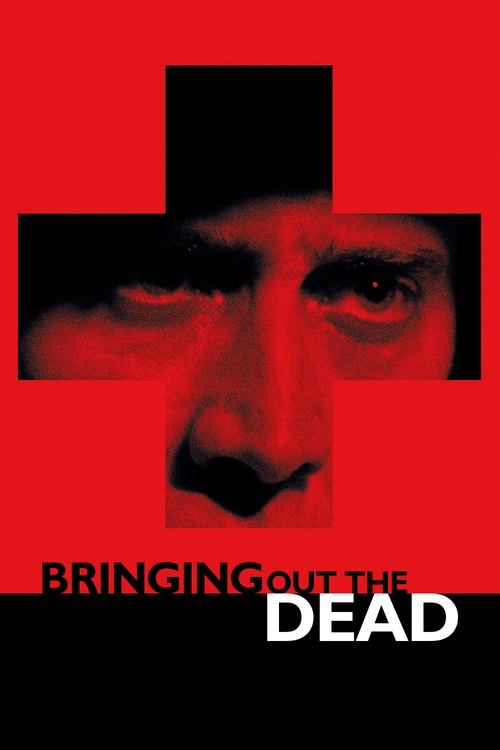
Bringing Out the Dead
1999 · Directed by Martin Scorsese
Woke Score
CriticCritic Score
Audience
Ultra Based
Critics rated this 68 points above its woke score. Among Ultra Based films, this critic score ranks #568 of 1469.
Representation Casting
Score: 15/100
The cast includes actors of color in supporting roles (Ving Rhames, Marc Anthony, Cliff Curtis), but their presence reflects the actual demographics of NYC paramedic services rather than any deliberate commitment to representation.
LGBTQ+ Themes
Score: 0/100
No LGBTQ+ themes, characters, or subtext present in the film.
Feminist Agenda
Score: 0/100
The film contains no feminist agenda or commentary on gender dynamics. Female characters exist as minor supporting roles without thematic exploration.
Racial Consciousness
Score: 5/100
While the film depicts urban New York with its actual racial diversity, it does not examine race as a structural or thematic concern. Racial identity is incidental to the narrative.
Climate Crusade
Score: 0/100
No climate-related themes or environmental consciousness appears in the film.
Eat the Rich
Score: 10/100
The film critiques systemic inadequacy and institutional failure in healthcare and urban services, though this emerges from existential despair rather than anti-capitalist ideology.
Body Positivity
Score: 0/100
No body positivity themes or body-related progressive messaging present in the film.
Neurodivergence
Score: 0/100
No representation or thematic engagement with neurodivergence in the film.
Revisionist History
Score: 0/100
The film makes no attempt to reinterpret or revise historical narratives.
Lecture Energy
Score: 5/100
Scorsese and Schrader maintain a detached observational stance rather than delivering moral instruction, though the film's relentless bleakness carries a certain preachy weight about urban collapse.


Synopsis
Once called "Father Frank" for his efforts to rescue lives, Frank Pierce sees the ghosts of those he failed to save around every turn. He has tried everything he can to get fired, calling in sick, delaying taking calls where he might have to face one more victim he couldn't help, yet cannot quit the job on his own.
Consciousness Assessment
Bringing Out the Dead presents a deliberately bleak portrait of urban collapse through the eyes of a paramedic too morally compromised to escape his profession. Martin Scorsese and screenwriter Paul Schrader construct a narrative that operates in the registers of spiritual despair and cynical observation, not social critique in the contemporary sense. The film's urban setting and diverse cast of paramedics and patients serve the story's structural needs rather than any programmatic statement about representation or systemic awareness.
What distinguishes this film is its refusal to offer redemptive meaning. Frank Pierce is not ennobled by his work or transformed by empathy. Instead, he accumulates trauma and moral exhaustion with the relentless efficiency of a man watching his own decay in real time. The supporting characters, including Ving Rhames as Marcus and Marc Anthony as Noel, function as variations on the theme of professional burnout rather than as vehicles for exploring their own identities or experiences. They are fellow travelers in a landscape of systemic failure, but the film does not interrogate the systems that create their circumstances.
The film's closest approximation to social consciousness emerges in its unflinching depiction of urban poverty, addiction, and the inadequacy of emergency medicine as a response to social collapse. Yet this operates at the level of observation rather than advocacy. Scorsese and Schrader document conditions with the precision of naturalists, not the fervor of activists. The result is a work that achieves its artistic aims through aesthetic rigor and tonal consistency, remaining indifferent to the cultural preoccupations that would define progressive filmmaking in subsequent decades.
Analysis generated by our Consciousness Algorithm
Critic Reviews
“Blazes up constantly with a stunning, off-kilter brilliance, an incandescent force that sometimes explodes the space between us and the screen.”
“To look at Bringing Out the Dead --to look, indeed, at almost any Scorsese film--is to be reminded that film can touch us urgently and deeply.”
“Potentially oppressive subject matter is redeemed by impeccable moral integrity and stunning artistry.”
Consciousness Markers
The cast includes actors of color in supporting roles (Ving Rhames, Marc Anthony, Cliff Curtis), but their presence reflects the actual demographics of NYC paramedic services rather than any deliberate commitment to representation.
No LGBTQ+ themes, characters, or subtext present in the film.
The film contains no feminist agenda or commentary on gender dynamics. Female characters exist as minor supporting roles without thematic exploration.
While the film depicts urban New York with its actual racial diversity, it does not examine race as a structural or thematic concern. Racial identity is incidental to the narrative.
No climate-related themes or environmental consciousness appears in the film.
The film critiques systemic inadequacy and institutional failure in healthcare and urban services, though this emerges from existential despair rather than anti-capitalist ideology.
No body positivity themes or body-related progressive messaging present in the film.
No representation or thematic engagement with neurodivergence in the film.
The film makes no attempt to reinterpret or revise historical narratives.
Scorsese and Schrader maintain a detached observational stance rather than delivering moral instruction, though the film's relentless bleakness carries a certain preachy weight about urban collapse.