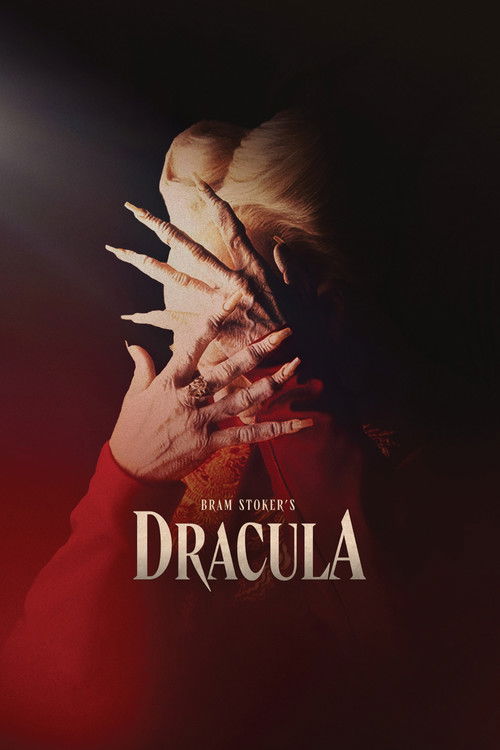
Bram Stoker's Dracula
1992 · Directed by Francis Ford Coppola
Woke Score
CriticCritic Score
Audience
Ultra Based
Critics rated this 42 points above its woke score. Among Ultra Based films, this critic score ranks #1001 of 1469.
Representation Casting
Score: 15/100
The cast is entirely white and European, reflecting the Victorian setting but showing no awareness of representation as a value. No attempt to diversify the historical narrative.
LGBTQ+ Themes
Score: 35/100
Homoerotic subtext appears in Dracula's predatory relationships with male characters, but this emerges from Gothic tradition rather than conscious political intention. No explicit LGBTQ representation.
Feminist Agenda
Score: 20/100
Female characters exist primarily as romantic objects and victims whose desires are subordinate to male characters. Mina and Lucy lack agency in the narrative structure.
Racial Consciousness
Score: 0/100
No meaningful engagement with racial themes or representation. The film is entirely unconcerned with racial dynamics or diversity.
Climate Crusade
Score: 0/100
Climate change and environmental consciousness are entirely absent from the film's concerns. No ecological themes whatsoever.
Eat the Rich
Score: 10/100
While Dracula's predatory nature has vague echoes of consumption, there is no systematic critique of capitalism or economic structures.
Body Positivity
Score: 5/100
The film celebrates conventionally beautiful bodies and sensuality without any engagement with body diversity or body positivity messaging.
Neurodivergence
Score: 0/100
No representation of neurodivergent characters or engagement with neurodiversity as a theme.
Revisionist History
Score: 5/100
The film stays faithful to Stoker's Victorian narrative without reinterpreting history through a contemporary progressive lens.
Lecture Energy
Score: 10/100
The film prioritizes atmosphere and visual spectacle over preachy messaging. No speeches about social issues or explicit ideological lectures.


Synopsis
Count Dracula, a 15th-century prince, is condemned to live off the blood of the living for eternity. Young lawyer Jonathan Harker is sent to Dracula's castle to finalise a land deal, but when the Count sees a photo of Harker's fiancée, Mina, the spitting image of his dead wife, he imprisons him and sets off for London to track her down.
Consciousness Assessment
Coppola's 1992 adaptation of Bram Stoker's novel operates in a register entirely foreign to contemporary progressive sensibilities. The film is preoccupied with Gothic excess, sensual imagery, and the mechanics of vampire mythology rather than any systematic interrogation of power dynamics or systemic inequity. Mina and Lucy function primarily as romantic objects and victims, their agency subordinate to the supernatural desires of the male characters who orbit them. This is not to say the film is hostile to women so much as indifferent to their interiority.
The cast is uniformly pale and European, which reflects both the source material's Victorian England setting and 1992 Hollywood's reflexive approach to period drama. There is no meaningful engagement with racial or gender representation as a conscious project. The film's sole LGBTQ dimension emerges through subtext in the sensual relationship between Dracula and his male victims, though this reads less as intentional commentary than as the natural consequence of the Gothic tradition's homoerotic undercurrents. Coppola luxuriates in decadence and transgression for aesthetic purposes, not political ones.
What distinguishes this from a film that might score higher is the complete absence of the 2020s vocabulary of social consciousness. There are no moments of preachy reflection on capitalism, environmentalism, body standards, or neurodiversity. The film is a work of pure cinema, concerned with mood, texture, and narrative momentum. Its sensuality might strike contemporary viewers as progressive in its refusal of prudishness, yet this is simply the frankness of 1990s art cinema, not the product of any explicit ideological commitment. We are watching a vampire film, not a manifesto.
Analysis generated by our Consciousness Algorithm
Critic Reviews
“Indeed, it is a uniquely dreamlike, lushly romantic, highly erotic and prototypically Coppolaesque version of the story - a movie that does for the vampire genre what "The Godfather" did for the gangster saga, and what "Apocalypse Now" did for the war movie: raises it to the level of grand opera. [13 Nov 1992, p.5]”
“Francis Ford Coppola's lavish version of Bram Stoker's classic novel is a visual cornucopia, overstuffed with images of both beauty and grotesque horror.”
“This Dracula isn’t from Coppola’s great 70s/80s period, but it has a melodramatic and operatic energy and draws on the look and feel of Hollywood’s pre-Code salaciousness and the silent movie madness of Nosferatu – though the expressionist shadows are blood-red, not black. ”
“Bram Stoker's Dracula is a lovingly made, gorgeously realized, meticulously crafted failure. It has big names, a big budget, big sets, a big, thundering score and even big hair. But it doesn't do it. It doesn't excite or fascinate but just lies there on the screen. [13 Nov 1992, p. C1]”
Consciousness Markers
The cast is entirely white and European, reflecting the Victorian setting but showing no awareness of representation as a value. No attempt to diversify the historical narrative.
Homoerotic subtext appears in Dracula's predatory relationships with male characters, but this emerges from Gothic tradition rather than conscious political intention. No explicit LGBTQ representation.
Female characters exist primarily as romantic objects and victims whose desires are subordinate to male characters. Mina and Lucy lack agency in the narrative structure.
No meaningful engagement with racial themes or representation. The film is entirely unconcerned with racial dynamics or diversity.
Climate change and environmental consciousness are entirely absent from the film's concerns. No ecological themes whatsoever.
While Dracula's predatory nature has vague echoes of consumption, there is no systematic critique of capitalism or economic structures.
The film celebrates conventionally beautiful bodies and sensuality without any engagement with body diversity or body positivity messaging.
No representation of neurodivergent characters or engagement with neurodiversity as a theme.
The film stays faithful to Stoker's Victorian narrative without reinterpreting history through a contemporary progressive lens.
The film prioritizes atmosphere and visual spectacle over preachy messaging. No speeches about social issues or explicit ideological lectures.