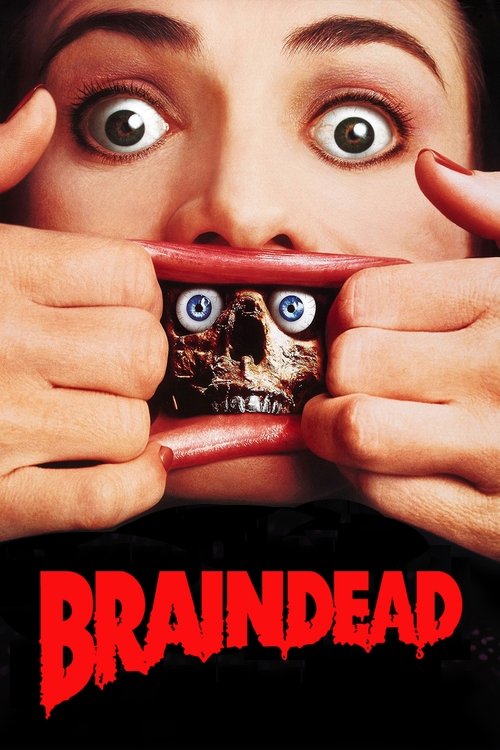
Braindead
1992 · Directed by Peter Jackson
Ultra Based
Consciousness Score: 4%
Representation Casting
Score: 0/100
No intentional diverse casting for progressive representation. The cast reflects practical genre film conventions of early 1990s New Zealand cinema.
LGBTQ+ Themes
Score: 0/100
The film contains no LGBTQ+ representation or thematic elements. It is a straightforward horror-comedy with no queer content.
Feminist Agenda
Score: 15/100
While the film features a dominating maternal figure, this reflects 1950s-era anxieties about maternal control treated as horror rather than feminist critique. No contemporary progressive feminist messaging present.
Racial Consciousness
Score: 0/100
The film contains no racial consciousness or commentary. Orientalist tropes in the rat-monkey origin story are genre conventions, not progressive critique.
Climate Crusade
Score: 0/100
There is no environmental or climate messaging in this film.
Eat the Rich
Score: 0/100
The film contains no critique of capitalism, wealth inequality, or economic systems.
Body Positivity
Score: 0/100
The film is known for extreme gore and body horror, presenting mutilated bodies as horrifying and comedic rather than positive or celebratory.
Neurodivergence
Score: 0/100
There is no representation of neurodivergence or disability consciousness in the film.
Revisionist History
Score: 0/100
While set in 1950s New Zealand, the film uses period setting for atmosphere and genre purposes, not historical reevaluation or revision.
Lecture Energy
Score: 0/100
The film contains no preachy messaging or attempts to educate audiences about social issues. It prioritizes horror and comedy entertainment.
Synopsis
When a Sumatran rat-monkey bites Lionel Cosgrove's mother, she's transformed into a zombie and begins killing (and transforming) the entire town while Lionel races to keep things under control.
Consciousness Assessment
Braindead presents itself as a straightforward exercise in horror-comedy excess, a 1992 New Zealand splatter film that predates contemporary cultural consciousness by several decades. The film's central conceit, a domineering mother transformed into a zombie plague, operates entirely within the register of genre convention and grotesque spectacle. To examine this work through the lens of modern progressive sensibilities is to commit a category error, much like evaluating a medieval tapestry for its compliance with OSHA standards. The film simply does not engage with the concerns that define contemporary social consciousness, nor does it attempt to do so.
The picture is set in a conservative 1950s New Zealand, and while one might note the presence of a powerful female character, her power manifests as monstrosity and destruction rather than as any form of progressive statement. Vera Cosgrove, the zombie mother, is not a figure of empowerment but of transgression and horror. The film treats her existence as fundamentally comic and horrifying in equal measure, making no attempt to valorize or critique her dominance from any identifiable ideological position. She is simply a plot device wrapped in rotting flesh and malevolence.
What emerges from a careful examination is a film that operates according to the logic of pre-2010s horror cinema, where representation was incidental rather than intentional, where social issues were absent rather than engaged, and where the primary concern was the execution of entertaining scares and laughter through practical gore effects. To score this film on contemporary metrics is to measure it against standards that did not exist during its creation, a practice that reveals the limitations of retroactive cultural analysis rather than any meaningful flaw in the film itself.
Analysis generated by our Consciousness Algorithm
Consciousness Markers
No intentional diverse casting for progressive representation. The cast reflects practical genre film conventions of early 1990s New Zealand cinema.
The film contains no LGBTQ+ representation or thematic elements. It is a straightforward horror-comedy with no queer content.
While the film features a dominating maternal figure, this reflects 1950s-era anxieties about maternal control treated as horror rather than feminist critique. No contemporary progressive feminist messaging present.
The film contains no racial consciousness or commentary. Orientalist tropes in the rat-monkey origin story are genre conventions, not progressive critique.
There is no environmental or climate messaging in this film.
The film contains no critique of capitalism, wealth inequality, or economic systems.
The film is known for extreme gore and body horror, presenting mutilated bodies as horrifying and comedic rather than positive or celebratory.
There is no representation of neurodivergence or disability consciousness in the film.
While set in 1950s New Zealand, the film uses period setting for atmosphere and genre purposes, not historical reevaluation or revision.
The film contains no preachy messaging or attempts to educate audiences about social issues. It prioritizes horror and comedy entertainment.