Between Us
2026 · Directed by Quyên Nguyen-Le
Peak Woke
Consciousness Score: 89%
Representation Casting
Score: 95/100
The documentary centers LGBTQIA+ Khmer and Vietnamese subjects as primary voices and perspectives, departing significantly from typical documentary structures that often marginalize such communities.
LGBTQ+ Themes
Score: 98/100
LGBTQIA+ identity is the foundational subject matter. The film explicitly foregrounds queer Southeast Asian experience as its central focus, not as a secondary element.
Feminist Agenda
Score: 72/100
While the documentary engages with gender and identity politics through its LGBTQIA+ focus, there is limited evidence of explicit feminist critique or gender-centered analysis in available descriptions.
Racial Consciousness
Score: 85/100
The documentary centers Asian American and Southeast Asian American identity with specific attention to Khmer and Vietnamese heritage, demonstrating deliberate racial and ethnic consciousness.
Climate Crusade
Score: 8/100
No evidence of climate-focused themes or environmental consciousness in the documentary's stated subject matter or available descriptions.
Eat the Rich
Score: 65/100
The emphasis on cultural workers and labor suggests some attention to economic positioning and precarity, though the extent of anti-capitalist critique remains unclear from available information.
Body Positivity
Score: 35/100
While the documentary may engage with embodied queer experience, there is limited evidence of explicit body positivity messaging or fat liberation themes in descriptions.
Neurodivergence
Score: 15/100
No evidence of neurodivergence representation or disability justice themes in available documentation about the film.
Revisionist History
Score: 58/100
The film's focus on Southeast Asian American experience and diaspora suggests engagement with historical narratives often erased or marginalized, though specific revisionist intent is not explicit.
Lecture Energy
Score: 42/100
As a documentary centering subjects' own voices and 'in-betweenness,' the work appears designed for reflection rather than didactic instruction, though documentary form inherently carries some expository quality.
Synopsis
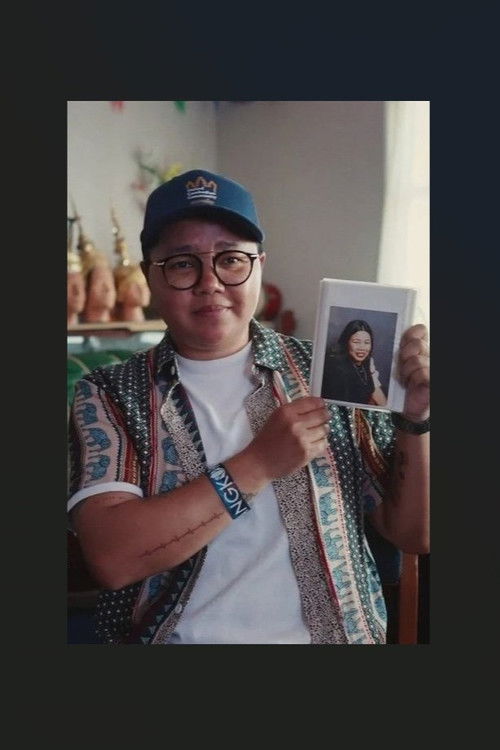
Between Us follows the multilayered stories of LGBTQIA+ Khmer and Vietnamese cultural workers in southern California as they contemplate the in-betweenness of belonging, healing, and carving out spaces of their own.
Consciousness Assessment
Between Us arrives as a documentary of considerable cultural specificity, training its lens on a constituency rarely granted documentary attention: LGBTQIA+ Southeast Asian cultural workers navigating the particular pressures of southern California. Director Quyên Nguyen-Le constructs a meditation on belonging that refuses easy resolution, instead lingering on the productive discomfort of existing between cultural inheritances, sexual identity, and the labor of cultural production itself. The film's commitment to this intersection is not incidental to its form but constitutive of it.
What makes Between Us exemplary in its cultural approach is its refusal to treat identity categories as additive or decorative. The documentary does not position its subjects as representatives of Khmer or Vietnamese communities who happen to be queer, nor as queer individuals who happen to have Southeast Asian heritage. Instead, it investigates how these identities constitute a singular, irreducible experience. The emphasis on cultural work, specifically, suggests a deliberate attention to labor and economic positioning within diaspora communities, marking an awareness of how representation and survival intertwine.
The film's scoring reflects a documentary fundamentally committed to progressive cultural consciousness. Its documentary form allows for the kind of temporal flexibility and tonal complexity that narrative cinema often forecloses, giving space to the subjects' own articulations of their experience. We are in the presence of work that treats its subjects' self-determination as paramount, which in the landscape of contemporary cinema is a position of some methodological seriousness.
Analysis generated by our Consciousness Algorithm
Consciousness Markers
The documentary centers LGBTQIA+ Khmer and Vietnamese subjects as primary voices and perspectives, departing significantly from typical documentary structures that often marginalize such communities.
LGBTQIA+ identity is the foundational subject matter. The film explicitly foregrounds queer Southeast Asian experience as its central focus, not as a secondary element.
While the documentary engages with gender and identity politics through its LGBTQIA+ focus, there is limited evidence of explicit feminist critique or gender-centered analysis in available descriptions.
The documentary centers Asian American and Southeast Asian American identity with specific attention to Khmer and Vietnamese heritage, demonstrating deliberate racial and ethnic consciousness.
No evidence of climate-focused themes or environmental consciousness in the documentary's stated subject matter or available descriptions.
The emphasis on cultural workers and labor suggests some attention to economic positioning and precarity, though the extent of anti-capitalist critique remains unclear from available information.
While the documentary may engage with embodied queer experience, there is limited evidence of explicit body positivity messaging or fat liberation themes in descriptions.
No evidence of neurodivergence representation or disability justice themes in available documentation about the film.
The film's focus on Southeast Asian American experience and diaspora suggests engagement with historical narratives often erased or marginalized, though specific revisionist intent is not explicit.
As a documentary centering subjects' own voices and 'in-betweenness,' the work appears designed for reflection rather than didactic instruction, though documentary form inherently carries some expository quality.