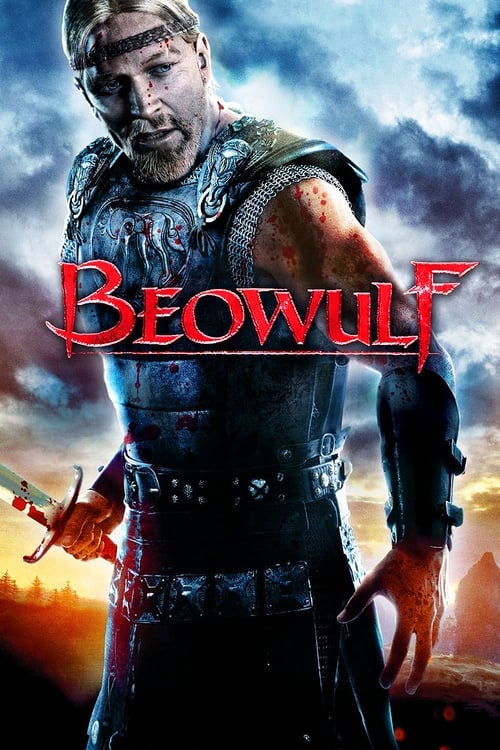
Beowulf
2007 · Directed by Robert Zemeckis
Woke Score
CriticCritic Score
Audience
Ultra Based
Critics rated this 51 points above its woke score. Among Ultra Based films, this critic score ranks #930 of 1469.
Representation Casting
Score: 15/100
The cast is predominantly white and male. Angelina Jolie appears as a major character, but women are limited to roles as wives, mothers, and seductresses with minimal agency or screen time beyond their relationships to male characters.
LGBTQ+ Themes
Score: 0/100
No evidence of LGBTQ+ themes, representation, or meaningful relationships of any kind. The film is entirely heteronormative in its narrative structure and character relationships.
Feminist Agenda
Score: 20/100
Grendel's mother is portrayed as powerful and seductive, a revision from the source material that grants her agency and intelligence. However, she remains fundamentally a villain whose power is framed as dangerous and must be overcome, not a genuine feminist reexamination of power dynamics.
Racial Consciousness
Score: 0/100
No meaningful engagement with race or racial dynamics. The film is set in a mythological medieval Scandinavia and treats the source material straightforwardly without commentary on ethnicity or cultural representation.
Climate Crusade
Score: 0/100
No engagement with environmental themes, climate concerns, or ecological consciousness. The film is an action-adventure narrative unconcerned with such matters.
Eat the Rich
Score: 0/100
No critique of capitalism, wealth inequality, or systems of economic oppression. The film depicts a feudal society without commentary on economic structures or class relations.
Body Positivity
Score: 0/100
No engagement with body positivity or acceptance of diverse body types. The film showcases idealized, motion-captured bodies without any thematic content related to body image or acceptance.
Neurodivergence
Score: 0/100
No representation of or thematic engagement with neurodivergence, mental health, or cognitive differences. The characters are presented without such considerations.
Revisionist History
Score: 15/100
The film reworks the Beowulf legend to emphasize Grendel's mother's role and agency compared to the source material, and suggests Beowulf's victories result from seduction rather than pure heroism. This is a minor revisionist take rather than substantial reexamination.
Lecture Energy
Score: 5/100
The film is primarily concerned with spectacle and action rather than preachy messaging. There is minimal sense of the narrative stopping to lecture the audience about social issues or moral positions.


Synopsis
A 6th-century Scandinavian warrior named Beowulf embarks on a mission to slay the man-like ogre, Grendel.
Consciousness Assessment
Robert Zemeckis' motion-capture adaptation of Beowulf operates as a straightforward visual spectacle with occasional gestures toward progressive reinterpretation that ultimately amount to very little. The film's most obvious attempt at social consciousness centers on Angelina Jolie's portrayal of Grendel's mother, reimagined from the source material as a seductive, powerful figure who uses her sexuality as a weapon and a means of control. She is visually striking, dressed in gold, and narratively positioned as the architect of Beowulf's downfall. This could theoretically register as some form of feminist revision, yet the execution remains firmly rooted in male fantasy rather than genuine complexity. Grendel's mother is still fundamentally a monster to be defeated, her agency and power ultimately framed as villainy rather than as a legitimate alternative perspective or challenge to patriarchal structures.
The film's representation is otherwise conventional for a 2007 action film. The cast is predominantly white and male, with women appearing primarily as wives, mothers, or seductresses. There are no meaningful explorations of class, capitalism, ecology, neurodivergence, or any other markers of contemporary progressive sensibility. The narrative proceeds without irony or self-awareness regarding its medieval brutality, treating violence as spectacle rather than as something worthy of interrogation. Grendel himself is depicted as a savage creature rather than as a sympathetic victim or as something warranting philosophical consideration about monstrosity and society.
The film stands as a relic of early 2000s spectacle cinema, technically accomplished but culturally unambitious. Its single deviation from pure adventure narrative, the reimagining of Grendel's mother as a figure of seduction and influence, barely qualifies as progressive filmmaking. One observes a movie content to entertain without challenging, to adapt without reexamining, to cast a major female star without granting her character genuine agency or purpose beyond plotting against the male protagonist. This is cinema as theme park, which is not inherently objectionable, but it leaves little to discuss when one is tasked with assessing cultural consciousness.
Analysis generated by our Consciousness Algorithm
Critic Reviews
“Zemeckis springs so many pow 3-D surprises you'll think Beowulf is your own private fun house.”
“Beowulf is a solemnly gorgeous, at times borderline stolid piece of Tolkien-with-a-joystick mythology.”
“For the record, it's truly puzzling that this film has been rated PG-13; it's much stronger than that. The monsters of "Beowulf" have haunted human imagination for more than a millennium; the ones in this film will easily provoke a few nightmares.”
“The most interesting thing about Beowulf, alas, is its technology. It's the work of a man who has fallen in love with his toys, but I miss the wicked satirist who made "Used Cars." And the truth is the motion capture in Beowulf comes across as an unsatisfying compromise between animation and live action.”
Consciousness Markers
The cast is predominantly white and male. Angelina Jolie appears as a major character, but women are limited to roles as wives, mothers, and seductresses with minimal agency or screen time beyond their relationships to male characters.
No evidence of LGBTQ+ themes, representation, or meaningful relationships of any kind. The film is entirely heteronormative in its narrative structure and character relationships.
Grendel's mother is portrayed as powerful and seductive, a revision from the source material that grants her agency and intelligence. However, she remains fundamentally a villain whose power is framed as dangerous and must be overcome, not a genuine feminist reexamination of power dynamics.
No meaningful engagement with race or racial dynamics. The film is set in a mythological medieval Scandinavia and treats the source material straightforwardly without commentary on ethnicity or cultural representation.
No engagement with environmental themes, climate concerns, or ecological consciousness. The film is an action-adventure narrative unconcerned with such matters.
No critique of capitalism, wealth inequality, or systems of economic oppression. The film depicts a feudal society without commentary on economic structures or class relations.
No engagement with body positivity or acceptance of diverse body types. The film showcases idealized, motion-captured bodies without any thematic content related to body image or acceptance.
No representation of or thematic engagement with neurodivergence, mental health, or cognitive differences. The characters are presented without such considerations.
The film reworks the Beowulf legend to emphasize Grendel's mother's role and agency compared to the source material, and suggests Beowulf's victories result from seduction rather than pure heroism. This is a minor revisionist take rather than substantial reexamination.
The film is primarily concerned with spectacle and action rather than preachy messaging. There is minimal sense of the narrative stopping to lecture the audience about social issues or moral positions.